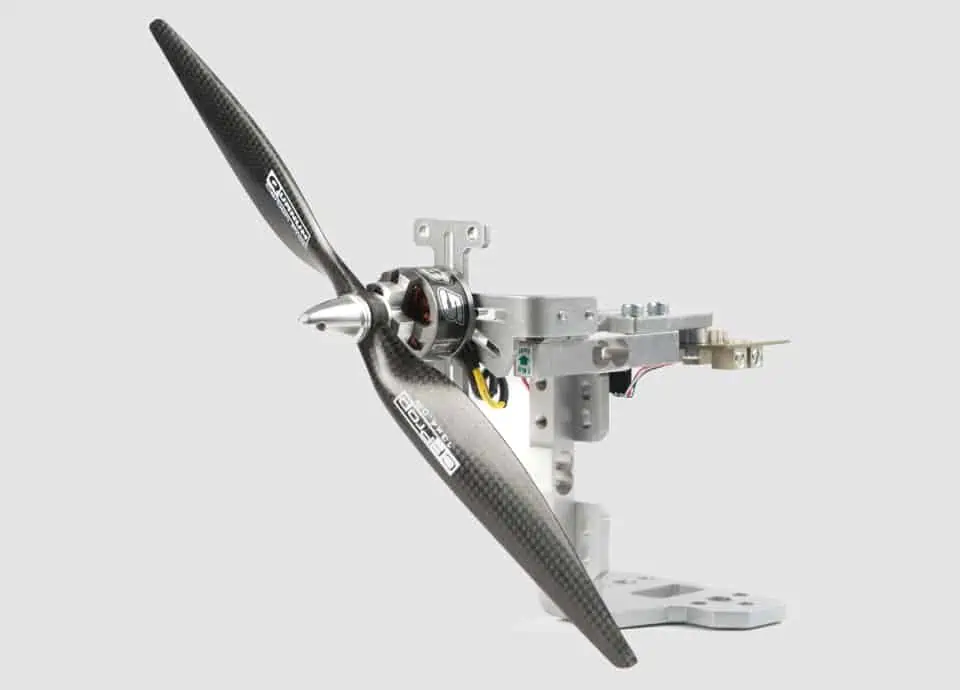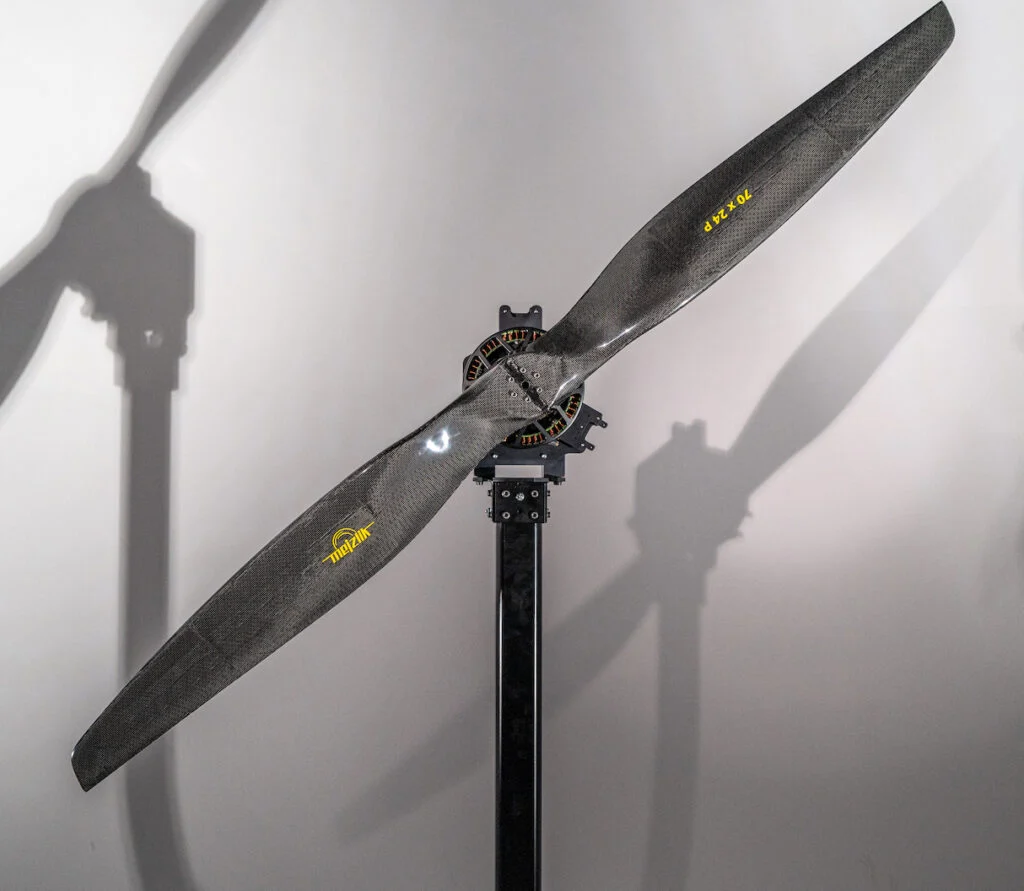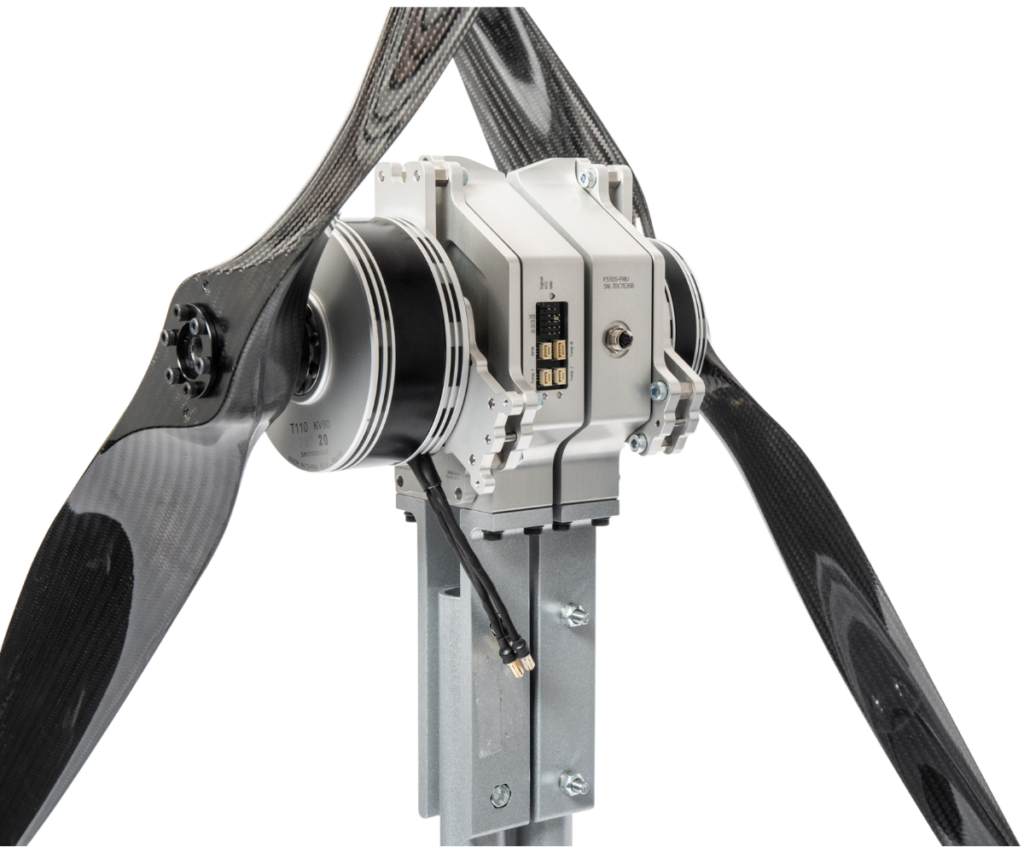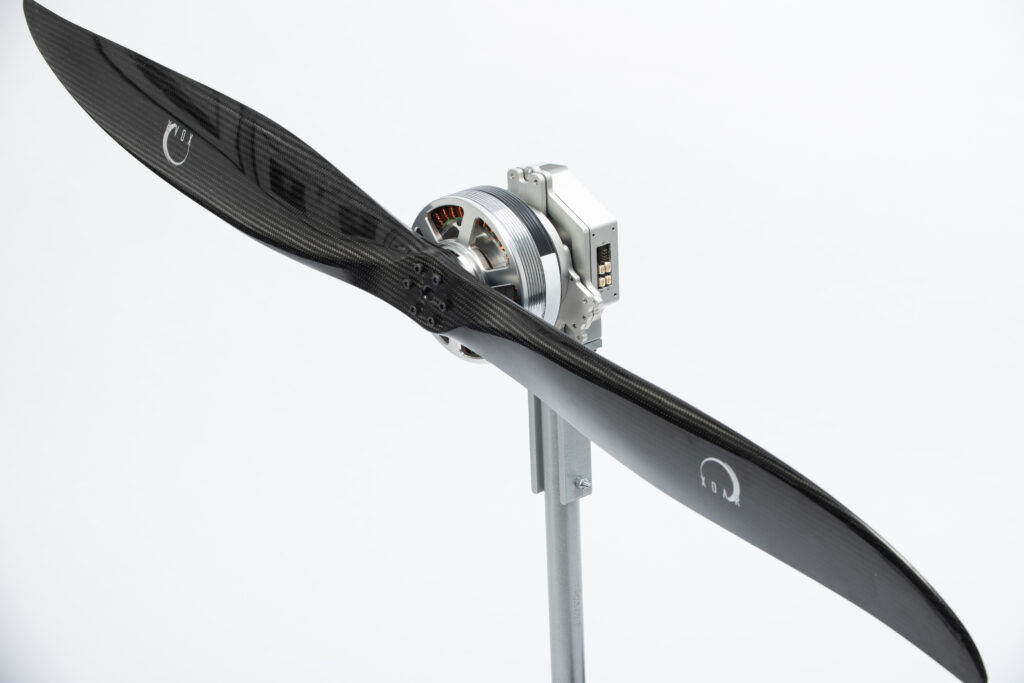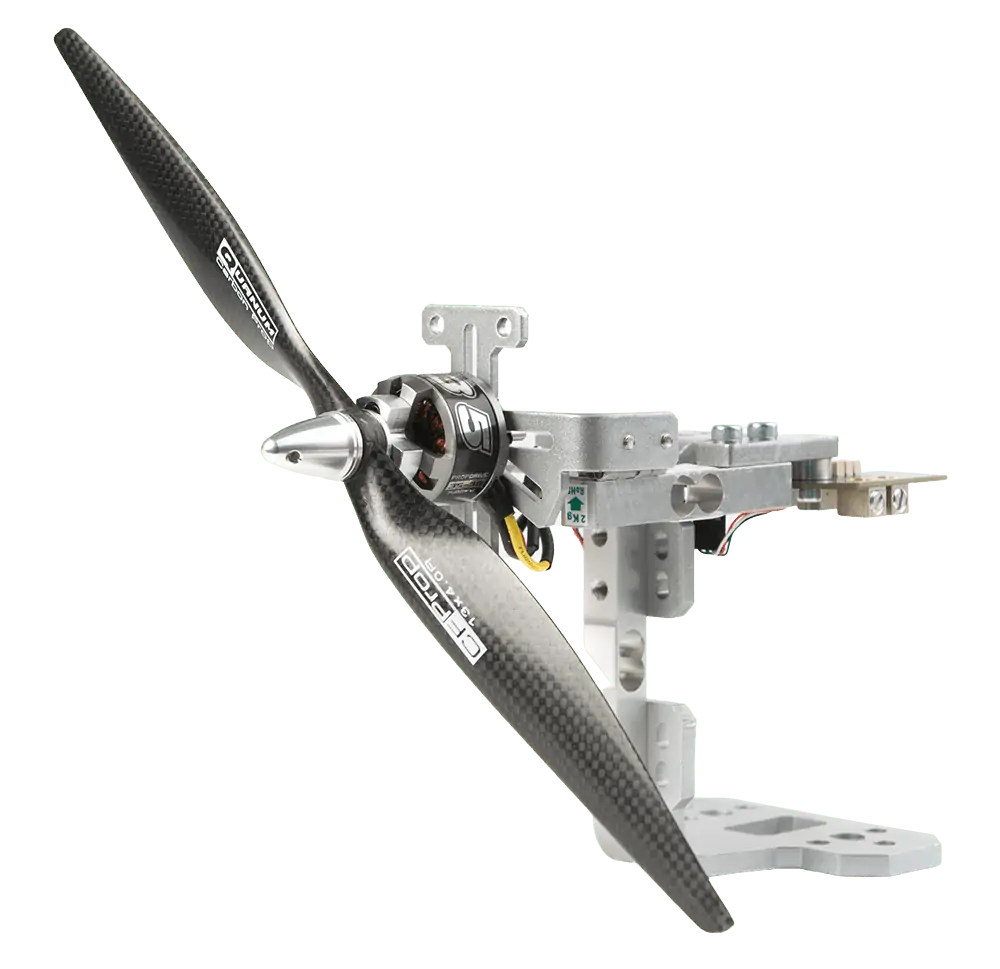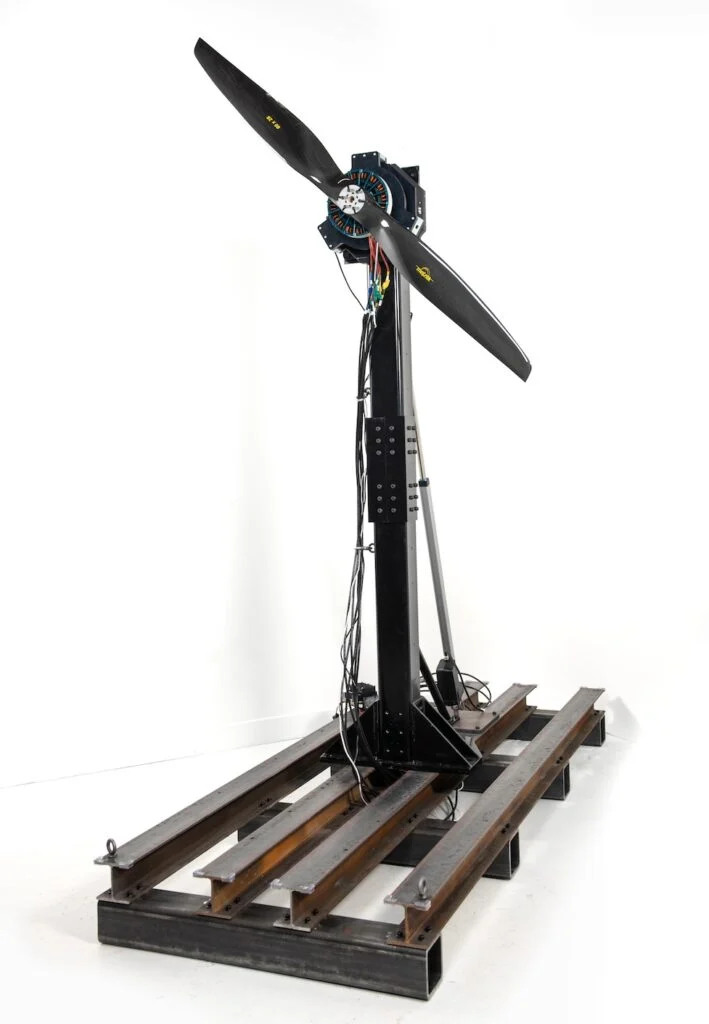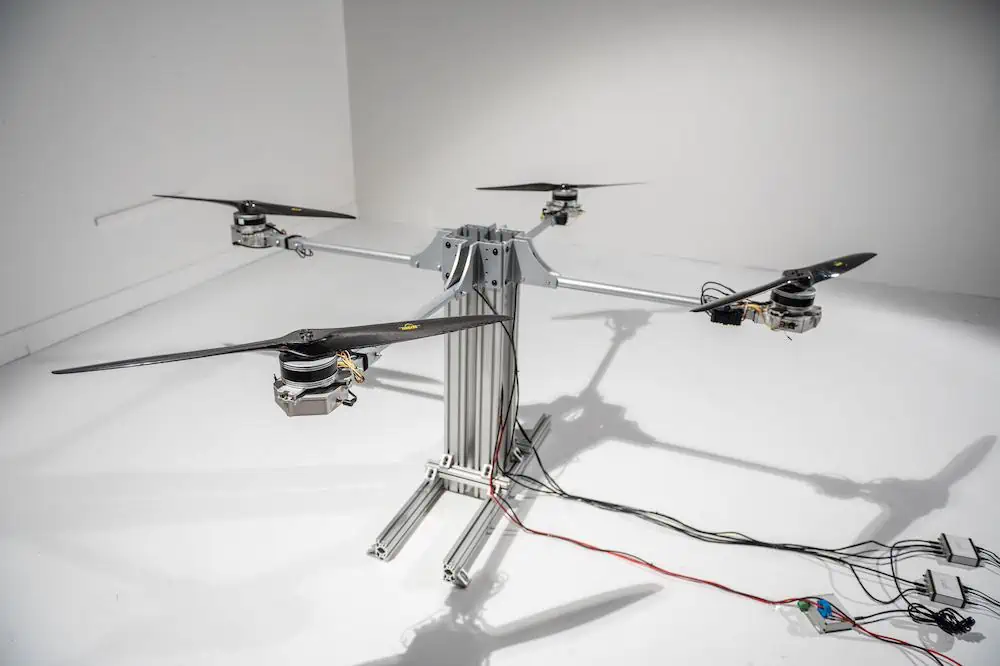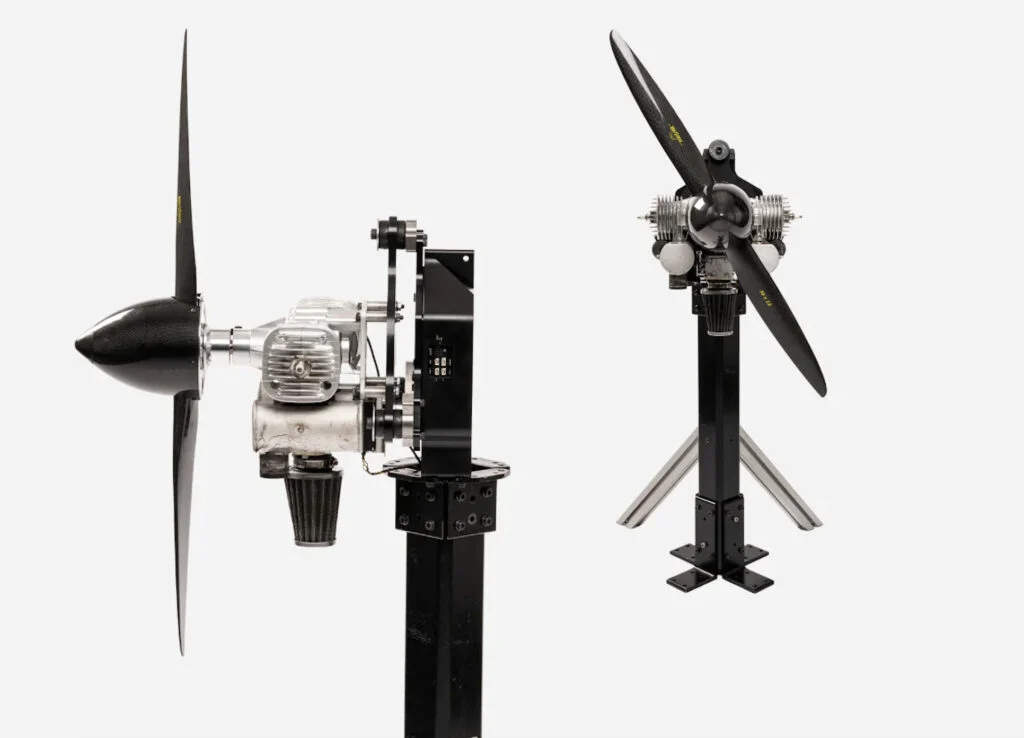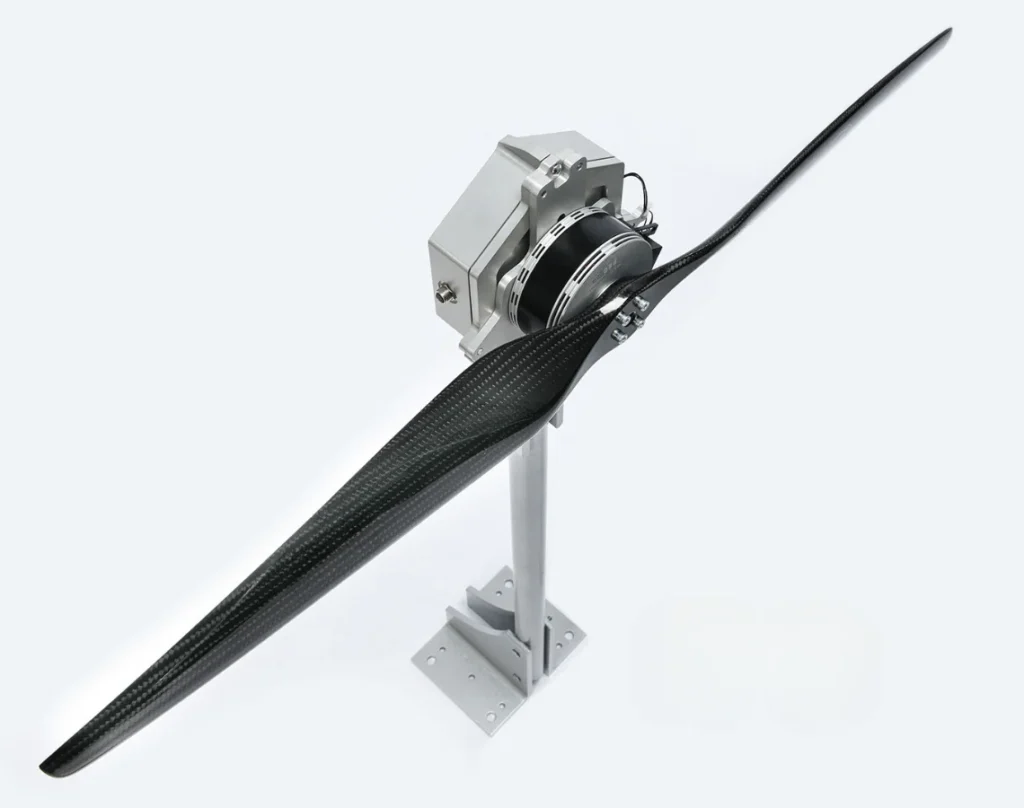


Tyto Robotics has published a comprehensive whitepaper titled “Impact of Propeller Imbalance on UAV Efficiency,” which explores the influence of propeller imbalances on the noise produced by unmanned aerial vehicles (UAVs), based on various experimental analyses.
Research indicates that the connection between propeller imbalance and UAV noise is more complex than previously thought. Contrary to the common belief that imbalanced propellers generate higher noise levels,evidence shows that minor imbalances may have negligible or inconsistent impacts on overall sound output.
Effects of Propeller Damage on Noise Levels
Experimental findings reveal that minor defects—such as surface notches or additional material—do not consistently elevate noise levels. In fact, some balanced propellers emitted more high-frequency sounds than their imbalanced versions. A notable contributor to this phenomenon is tonal noise, which is largely steadfast by the thickness of the blades. When material is removed from a blade, the resulting decrease in thickness can lead to a reduction in tonal noise, counteracting the anticipated increase due to imbalance.
Acoustic Profiles of Imbalanced Propellers
Tests involving small mass imbalances, achieved using paper tape, demonstrated minimal variations in overall sound pressure levels.Though, each configuration produced a unique acoustic profile. Despite the volume remaining relatively stable, sound pattern recognition technology was able to accurately differentiate between balanced and imbalanced states.
Comparative Analysis of Standard and Low-Noise UAV Propellers
Additional experiments assessed the performance of standard versus low-noise propeller designs under conditions of imbalance.Standard propellers exhibited noise increases of up to 4 dB when damaged, while low-noise designs maintained stable sound levels even when subjected to similar modifications. even though vibration levels rose across all imbalanced configurations, the increase was less significant in low-noise models.
Strategies for Mitigating Propeller Noise in UAVs
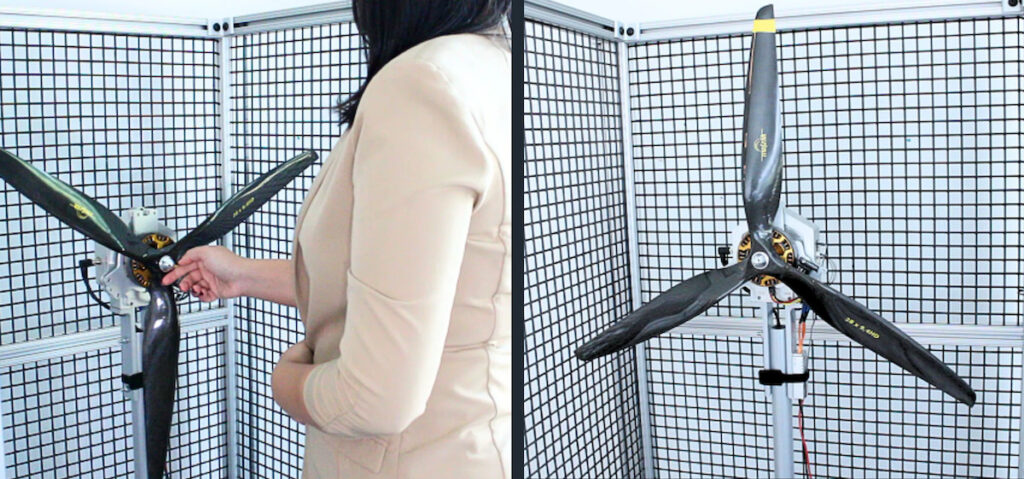
The research suggests that while minor imbalances may not substantially elevate overall noise levels, larger imbalances—especially in high-speed or larger UAV models—can result in increased noise and vibration. Accurately characterizing the propeller and assessing its balance remains the most effective method for noise reduction. Tyto Robotics provides a dynamic propeller balancing system equipped with integrated sound measurement capabilities, allowing UAV developers to enhance both noise control and performance simultaneously.