

EmbentionS Veronte Autopilot Set for ETSO Certification
Embention has announced that its Veronte Autopilot has received approval from the European Union Aviation Safety Agency (EASA) to initiate the ETSO certification process.
This milestone positions the Veronte Autopilot as the pioneering flight control system for unmanned aerial vehicles (UAVs) and electric vertical take-off and landing (eVTOL) aircraft to embark on the ETSO-C198 certification journey.
Advanced Flight Control for Diverse Applications
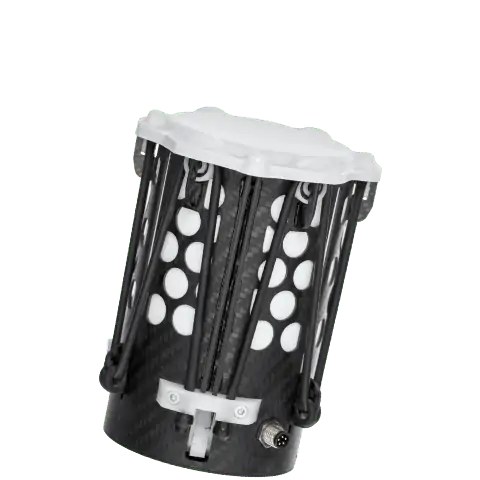
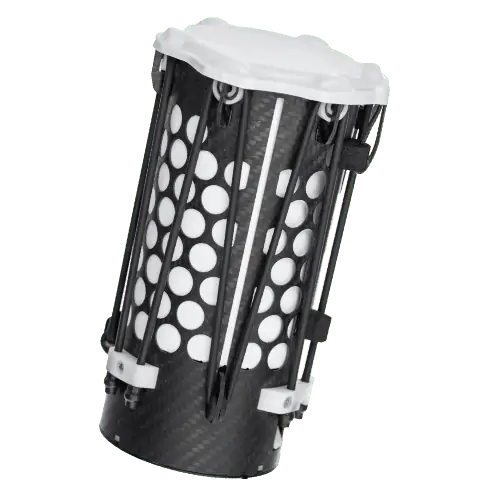
The Veronte Autopilot is a compact flight control solution engineered for sophisticated management of both manned (eVTOL / VCA) and unmanned (UAV) autonomous systems.
Achieving this certification will validate the autopilot’s adherence to standards set for manned aviation, thereby streamlining the certification process for both manned and unmanned aircraft. These compliance levels are essential for UAV operations classified under the Certified Category, as outlined in Regulation (EU) 2019/947, and for passenger-carrying VTOL (VCA) aircraft.
Integration with Existing Aircraft
Moreover,this certification will allow the Veronte Autopilot to be integrated into already certified manned aircraft,in accordance with Regulation (EU) 748/2012 and its annex,known as Part 21.
Commitment to Safety and Quality Standards
Embention has a strong track record of adhering to aviation standards,having previously met the requirements of DO-178C,DO-254,and DO-160,in addition to obtaining ISO9001 and EN9100 certifications.
EASA has thoroughly reviewed and approved the Certification Program and Article Technical Specification for the Veronte Autopilot under the ETSO-C198 category, which focuses on Automatic Flight Guidance and Control Systems (AFGCS).
Industry Insights
Javier Espuch, Chief Business Progress Officer at Embention, remarked, “this accomplishment with EASA marks a notable leap forward in our journey to certify the Veronte Autopilot within the ETSO-C198 framework.This progress underscores our dedication to innovation and safety, paving the way for drones to become a common sight in our skies.”