

Revolutionizing Air Traffic Safety: The UK’s First Approved ADS-B Flight Information Display
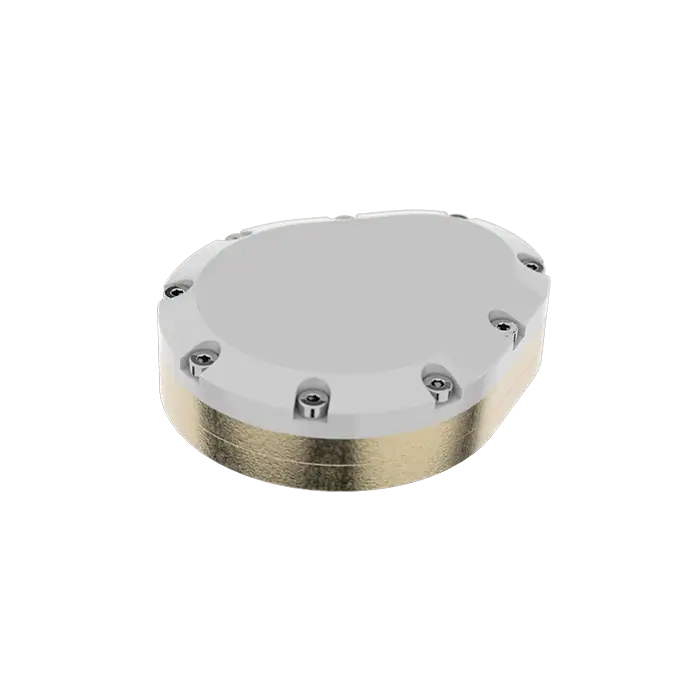
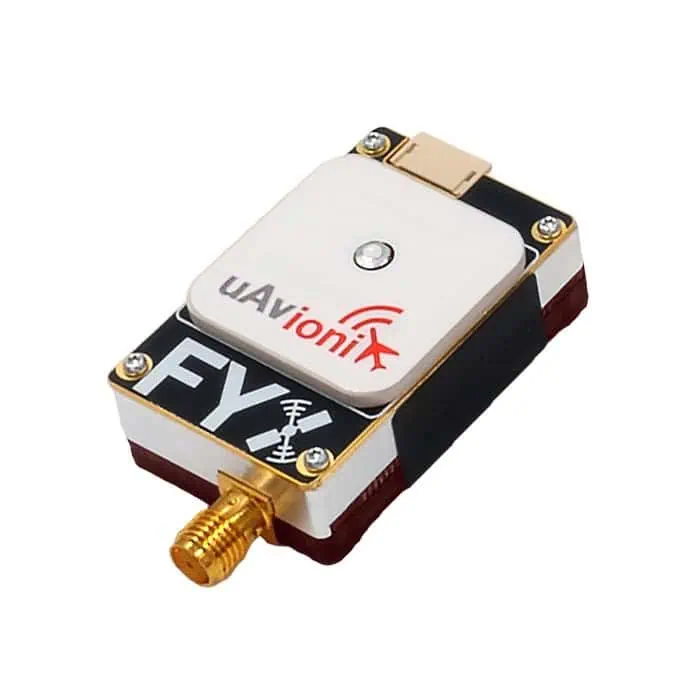
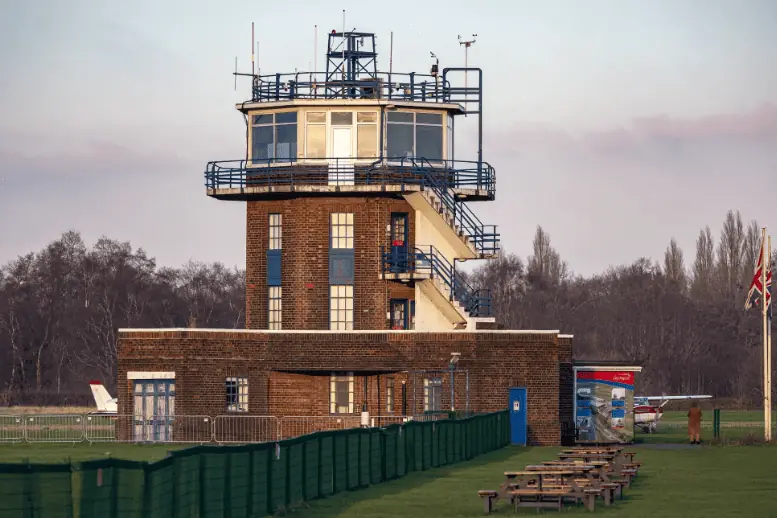
The UK Civil Aviation Authority (CAA) has granted approval for the ADS-B Flight information Display (FID) at Manchester Barton Aerodrome, utilizing the uAvionix pingStation to gather ADS-B position data from both stationary and airborne aircraft in the vicinity.
A Groundbreaking Safety Solution
This innovative, cost-effective safety system delivers real-time positional data to air traffic personnel in the control tower, marking the first FID sanctioned in the UK under the CAA’s newly established FID regulations.
Transforming Situational Awareness in Aviation
The introduction of FIDs acknowledges the potential of ADS-B OUT-equipped aircraft to enhance situational awareness at aerodromes and airports at an unprecedented scale and affordability. Historically, the reliance on expensive radar systems was the norm for surveillance capabilities, frequently enough costing millions and leaving many airfields without any technological support. Instead, air traffic controllers depended on visual observations and radio communications.
With ADS-B OUT technology, which transmits an aircraft’s position from a certified source, the necessary ground-based surveillance and display systems can now be developed at a fraction of the cost compared to traditional radar solutions.
how Barton’s FID Operates
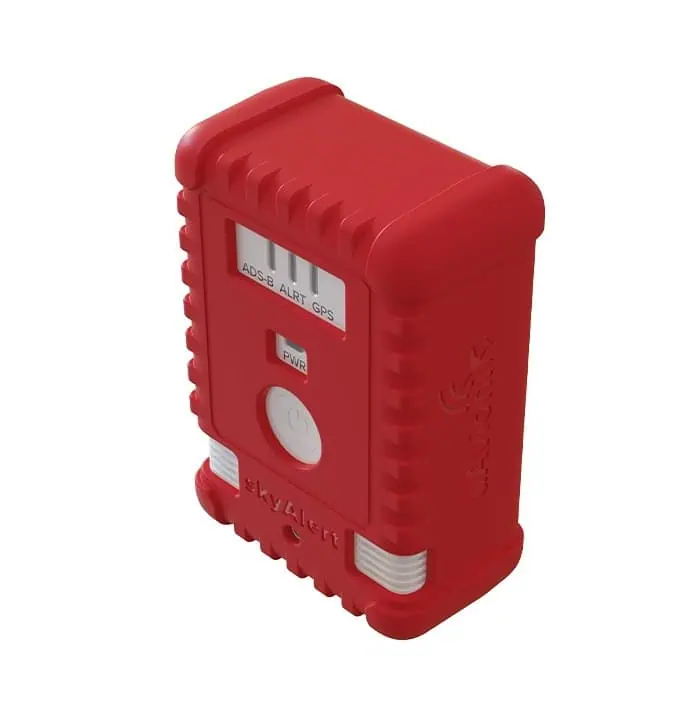
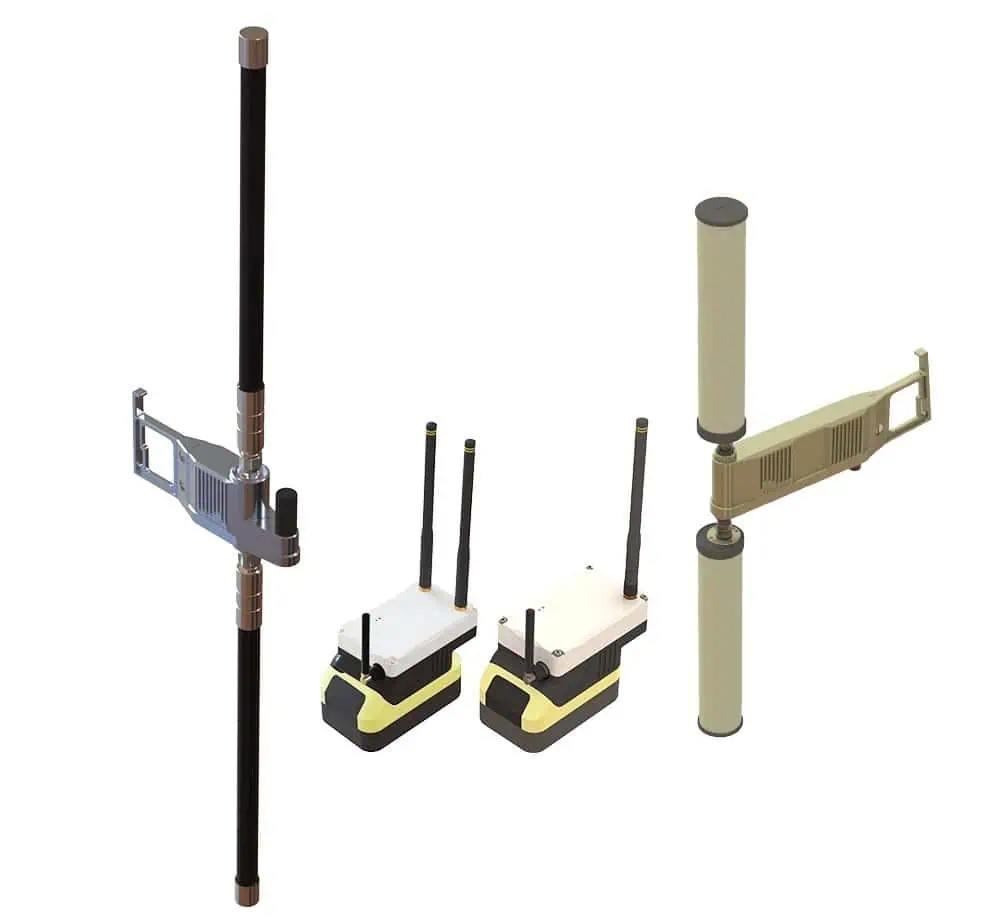
The FID at Barton employs a uAvionix pingStation to collect ADS-B position data, which is then relayed to a local FID computer. This system presents the traffic situation to the Flight Information Service Officer (FISO) in the control tower. For years, general aviation pilots have utilized devices like the uAvionix SkyEcho2 to monitor the positions of nearby ADS-B-equipped aircraft, aiding in collision avoidance. The newly approved CAA FID now extends this low-cost capability to FISOs and Air Traffic Control Officers (ATCOs) operating from the tower.
Regulatory Developments and Safety Validation
The recent CAA FID regulations emerged from thorough trials conducted in the UK, which collected data to substantiate the safety case for allowing non-radar rated FISOs and ATCOs to utilize ADS-B information for traffic reporting to pilots.
“The successful conclusion of these trials, the introduction of new regulations, and the approval for Barton Aerodrome signify a major advancement in flight safety by providing a low-cost surveillance solution for general aviation airfields, utilizing readily available hardware and applications that can be swiftly implemented,” stated Steve Hutt, CEO of Custom Chess Company, who led the initiative at Barton and developed FID documentation as a shared resource for UK airfields.
Technological Advancements and Future Implications
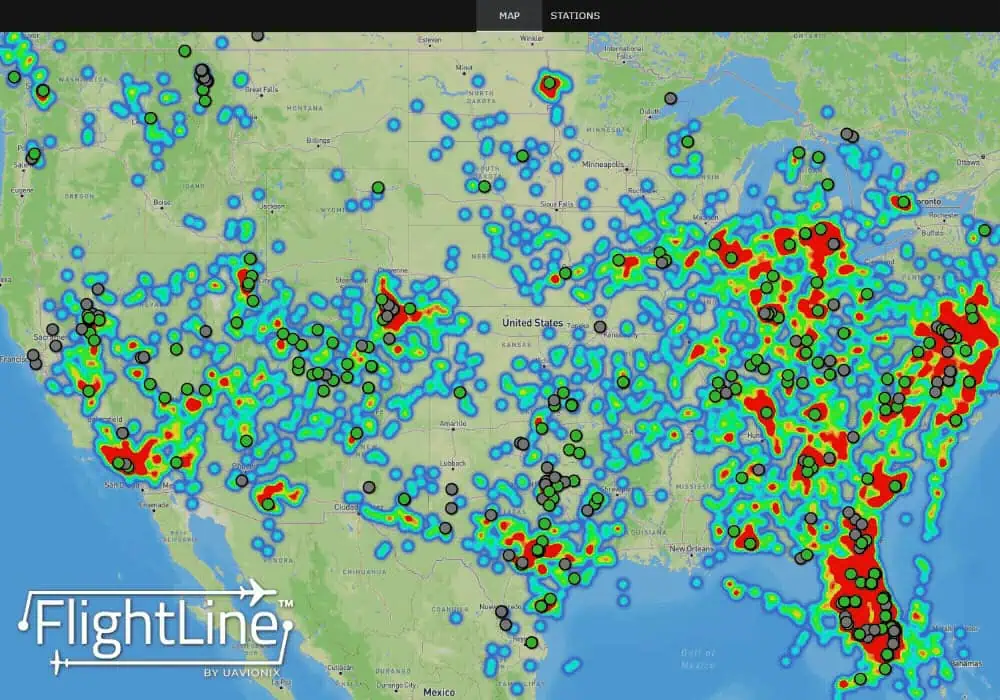
The uAvionix pingStation 3 boasts a reception range exceeding 300 kilometers, capturing ADS-B position data on both 1090 mhz and 978 MHz frequencies. As per uAvionix, the 978 MHz frequency is set to gain significance in the UK, especially as the CAA plans to mandate uncrewed aircraft operating Beyond Visual Line of Sight (BVLoS) to utilize 978 MHz ADS-B for Electronic Conspicuity, enhancing detect and avoid (DAA) services.Recently, uAvionix technology facilitated the first-ever UK transmission of ADS-B OUT on 978 MHz for uncrewed DAA operations. More information about the uAvionix pingStation equipment can be found here.
Sence 2017, uAvionix has been at the forefront of FID progress in the UK, establishing itself as a leader in aviation data services through an expanding array of communication, navigation, and surveillance products and services.