

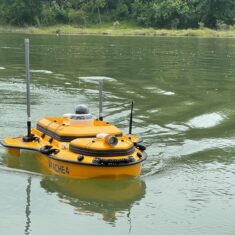
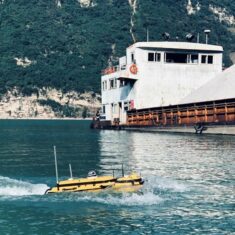
Introducing the APACHE 4: A Cutting-Edge Unmanned Surface Vehicle
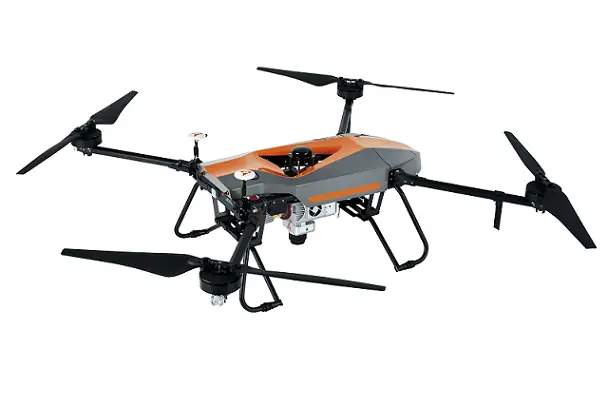
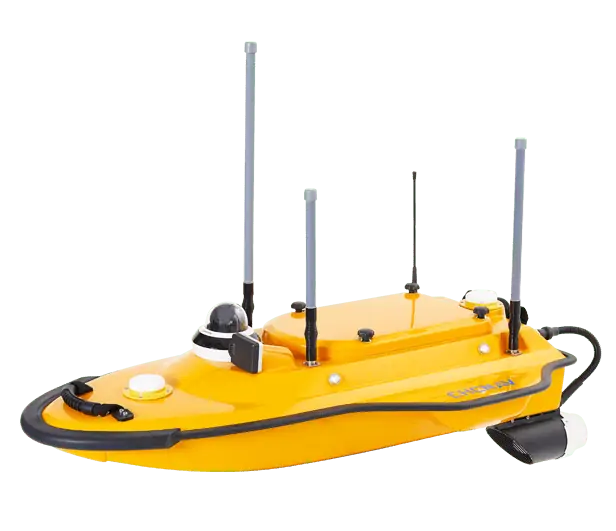
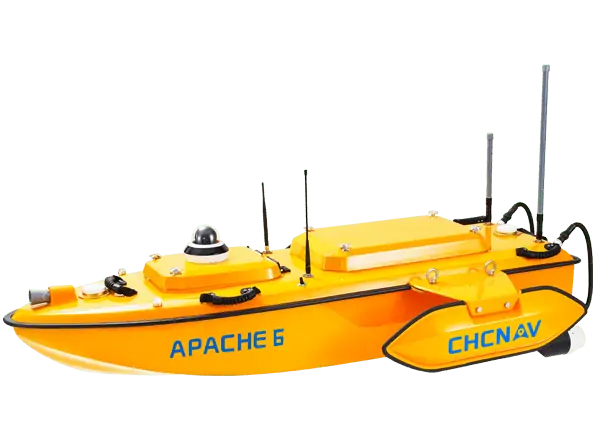
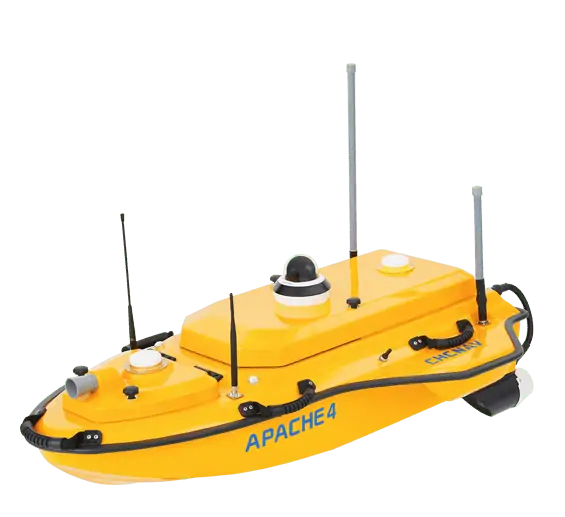
The APACHE 4 stands out as a versatile Unmanned Surface Vehicle (USV) designed to accommodate a diverse range of Acoustic Doppler Current Profiler (ADCP) systems currently available. This innovative vehicle provides an unmanned operational solution characterized by a shallow draft, exceptional navigational precision, and stable hovering capabilities, making it an ideal tool for hydrologists assessing water flow velocity and discharge in various aquatic environments.
Optimized for Hydrographic and Hydrological Surveys
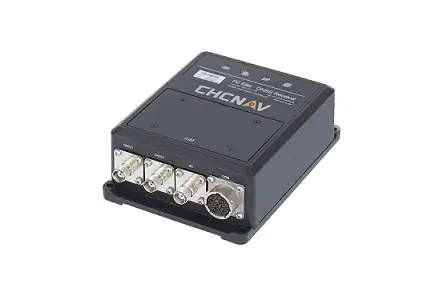
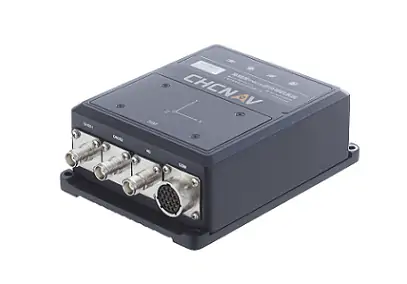
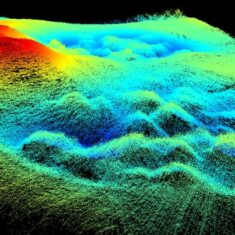
engineered for optimal performance in hydrographic,bathymetric,and hydrological assessments,the APACHE 4 USV integrates advanced positioning technology with automated navigation controls. This design is tailored to align with the operational preferences of users conducting ADCP hydrographic cross-section flow measurements.The vehicle’s adaptive navigation technology enhances the accuracy of flow estimations, even in challenging environments where GNSS signals may be compromised. The internal GNSS+IMU module ensures consistent positioning and heading data for both the ADCP and the autopilot system.
Customizable Features for Enhanced Functionality
Beyond its standard configuration, which includes a remote-controlled vessel, a single beam echosounder, and a GNSS IMU sensor, the APACHE 4 USV can be customized with various advanced instruments. Options include the Teledyne Riverray or Riverpro, Sontek M9, or ROWE Seaprofiler ADCP for effective water discharge management. Additionally,it can be outfitted with CHCNAV’s sidescan module for underwater object detection or a water quality assessment sensor to evaluate essential water quality parameters.The data collected can be invaluable for researchers and engineers in their respective fields.
| Dimensions (L x W x H) | 120 x 75 x 30 cm |
| Weight (without instruments or battery) | 9 kg |
| Payload Capacity | 30 kg |
| Maximum Speed | 5 m/s |
| Remote Control Range | 1 km |
| Battery Life | 2 x 2 hours at 2 m/s (with 2 battery sets) |