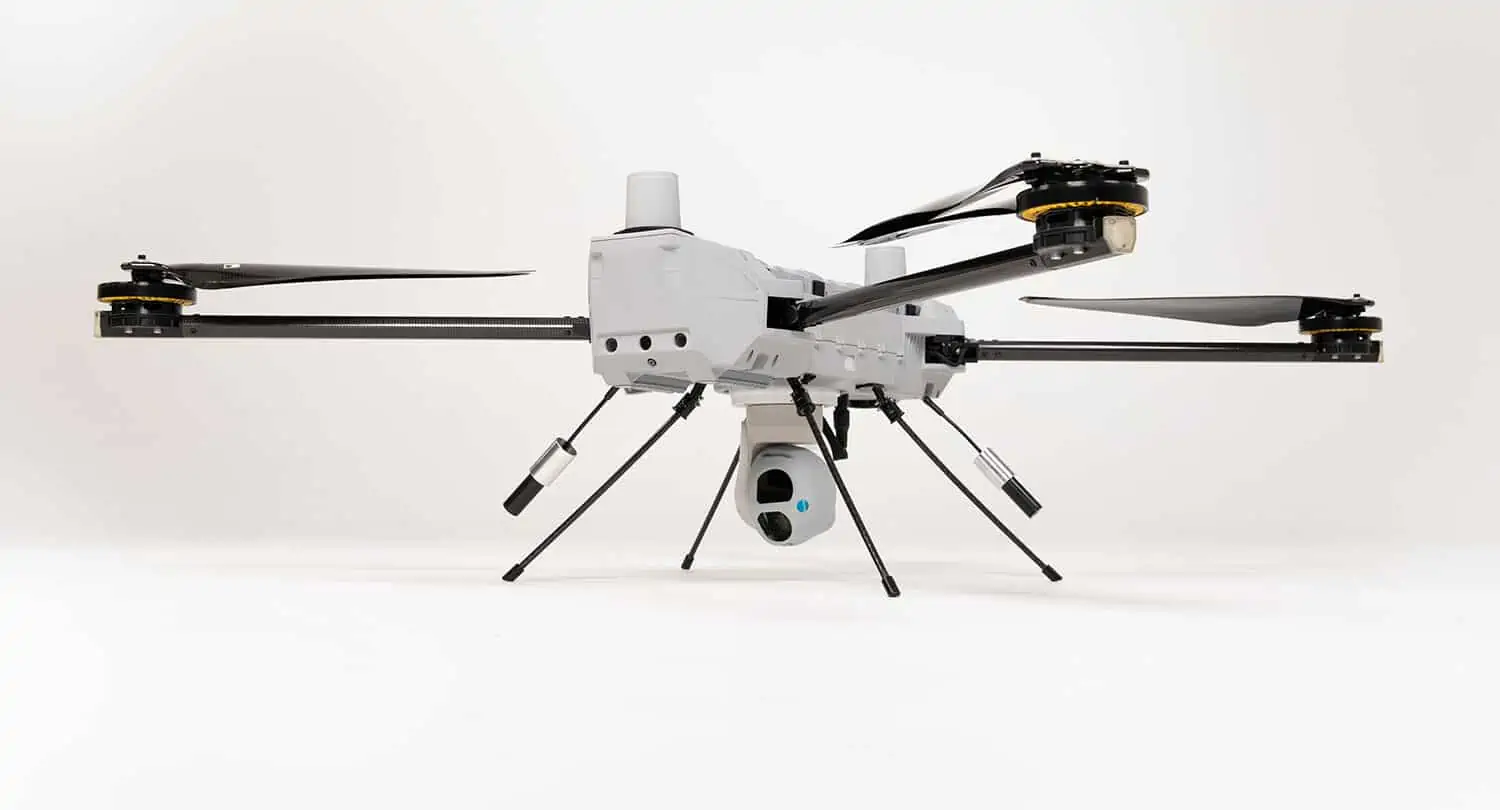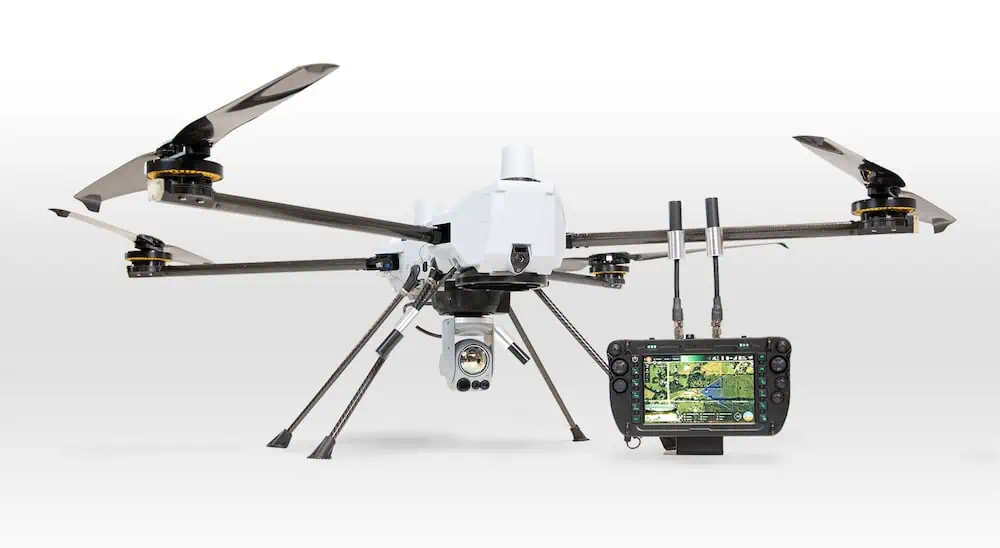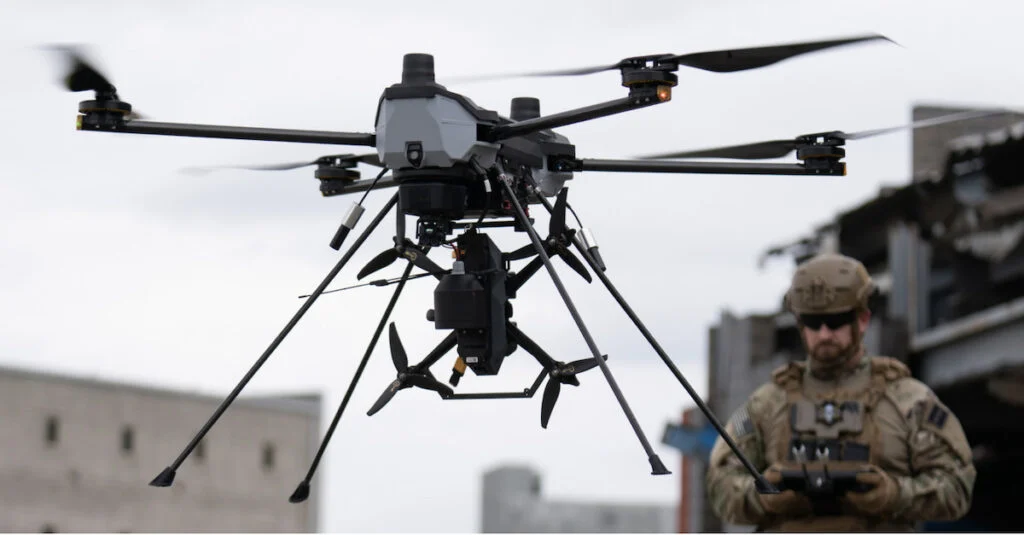


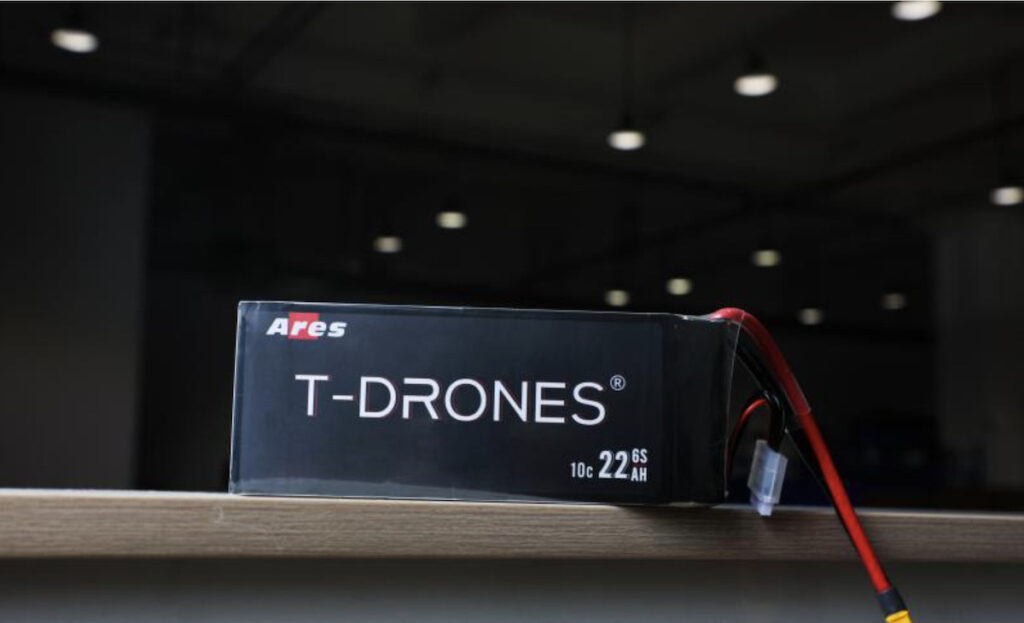
Modern drones predominantly utilize high-performance lithium batteries, such as the Ares Li-ion battery from T-DRONES, recognized for its impressive energy density, lightweight construction, and superior current handling capabilities.
These battery systems are essential for powering the drone’s motors, facilitating takeoff, and significantly impacting flight duration, speed, and overall stability. Consequently,the demand for premium drone batteries is on the rise.
To maximize flight duration and overall performance, selecting the right battery is vital. Below are five essential tips to help you choose and optimize battery usage for drones and unmanned aerial vehicles (UAVs).
1. Dimensions and Weight
The initial aspect to evaluate is the battery’s physical size. It is crucial to ensure that the battery fits within the designated space of the drone.While pilots may be tempted to select the largest capacity battery for extended flight times, it is essential to remain within the drone’s maximum takeoff weight specifications.
2. Battery Capacity
Generally,a battery with a higher capacity translates to longer flight durations. A battery that can store more energy enables the drone to function for more extended periods, making it especially suitable for lengthy missions.
Thus,when the drone’s dimensions and maximum takeoff weight permit,opting for a battery with the highest possible capacity will significantly improve flight efficiency.
3.Voltage Considerations
The voltage of the battery is another critical characteristic, as it affects the power supplied to the drone’s motors during operation. Typically, higher voltage batteries are heavier.To select the appropriate voltage, consult the motor thrust specifications and assess them against the efficiency of the drone’s motors.
Ensure that the motor can handle the specific voltage and configuration of the battery. Ideally, choose a higher voltage that remains within the motor’s recommended limits.
T-DRONES Li-ion drone batteries
4. Discharge Rate (C Rating)
The discharge rate, often referred to as the C rating, indicates the maximum current the battery can safely release without incurring damage. Higher C ratings typically correlate with enhanced performance, allowing the drone’s motors to achieve peak power within safe operational limits. though, selecting a battery with a higher discharge rate may increase weight, perhaps reducing overall flight time.
Before making a purchase, verify the specifications of the drone motor to ensure that the battery does not exceed its maximum current rating. You can calculate the maximum continuous amp draw using the following formula:
Maximum Continuous Amp Draw = Battery Capacity × Discharge Rate.
5. Connector Type and Brand Reputation
Selecting the appropriate connector for a drone battery can facilitate easier usage and future upgrades. A user-pleasant connector simplifies attachment and detachment, ensuring compatibility with upcoming drone models. Common connector types like EC3 and XT60 are readily available and can streamline the drone setup process.
Additionally,the brand of the battery plays a crucial role in the drone industry. It is indeed advisable to opt for a well-established and trustworthy brand. If you are uncertain about your choices, consider seeking guidance from industry professionals who can assist in making an informed decision.