

Advancements in Airborne Surveillance: The NSP-3 Radar and CAMCOPTER® S-100 Integration
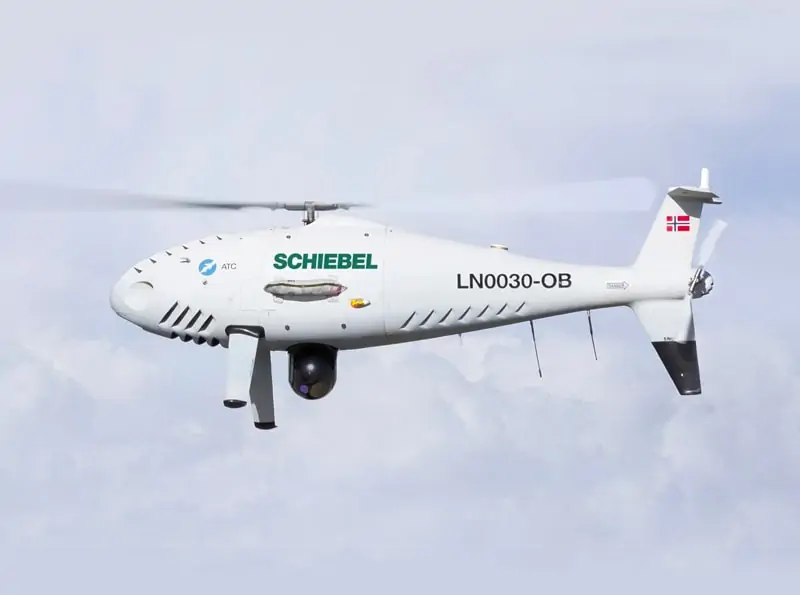
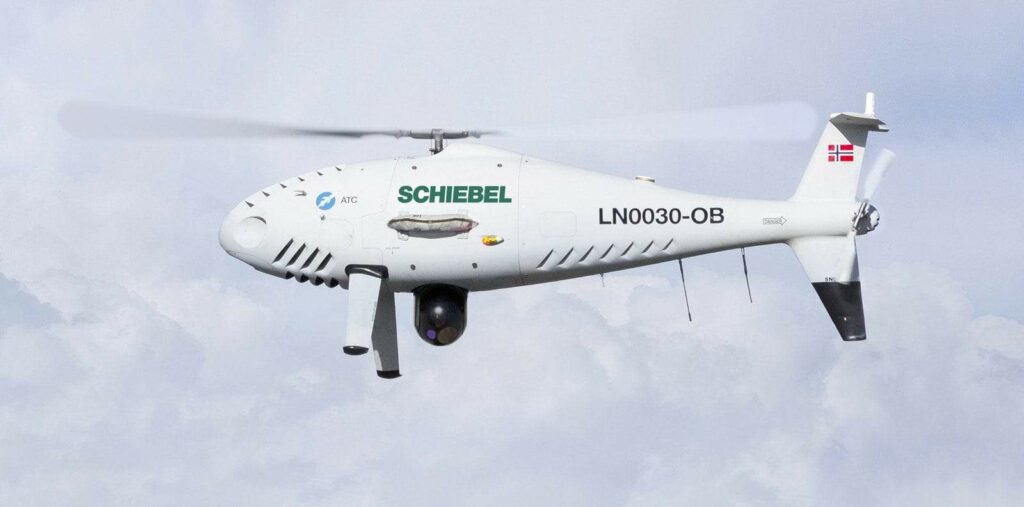
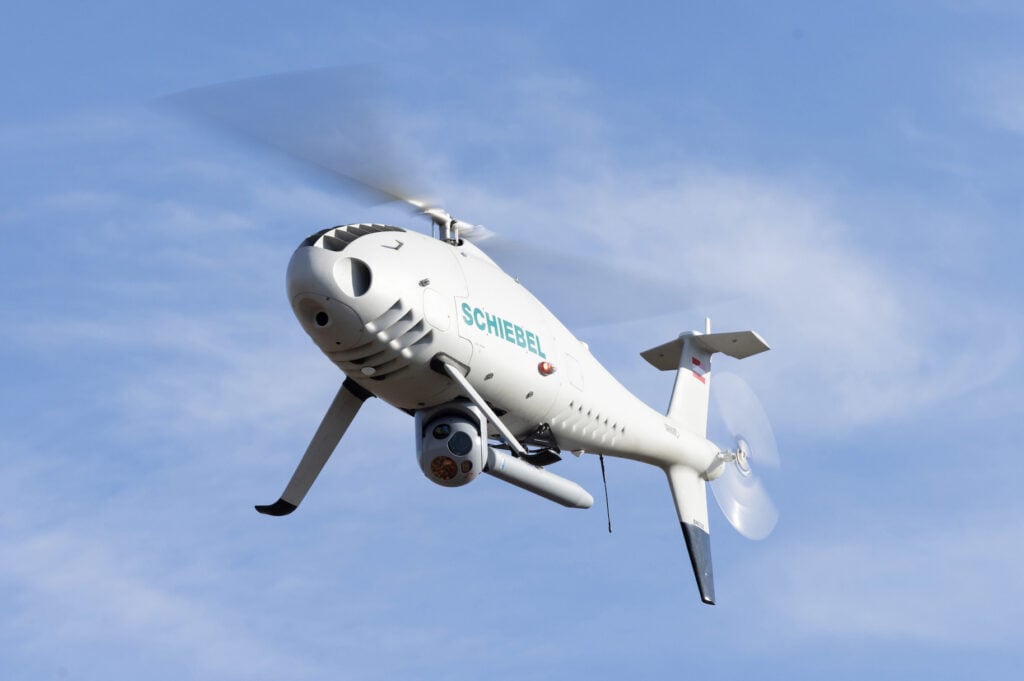
The recent integration of IMSAR’s NSP-3 radar with Schiebel’s CAMCOPTER® S-100 vertical takeoff and landing (VTOL) unmanned aerial system (UAS) marks a pivotal development in the realm of aerial surveillance. This innovative pairing, which took flight for the first time in January 2025, builds on the successful trials of the larger NSP-5 radar conducted in late 2024. This partnership substantially boosts the operational capabilities of the S-100, offering a lightweight, high-efficiency radar solution tailored for intelligence, surveillance, and reconnaissance (ISR) tasks.The CAMCOPTER S-100 is renowned for its capacity to manage multiple payloads concurrently. In contrast to the earlier NSP-5 integration, which occupied essential payload space, the NSP-3 system provides a distinct advantage by not utilizing these critical areas. This design allows S-100 operators to retain maximum flexibility in configuring their ISR payloads while leveraging the NSP-3’s dual-sided Synthetic Aperture Radar (SAR) functionality at a reduced cost and with minimal effect on mission duration.
Extended endurance, long-range capabilities, and extensive coverage are vital for effective surveillance missions. when outfitted with the NSP-3 and an electro-optical gimbal in the main payload bay, the S-100 has showcased an operational range of up to 180 kilometers from its control station, with the ability to remain airborne for over six hours. This formidable combination greatly enhances maritime surveillance, enabling coverage of approximately 1,900 square nautical miles per hour. On land,the Ku-band NSP-3 provides refined SAR imaging modes,including high-resolution stripmap and spotlight imaging,making it exceptionally suited for wide-area ground mapping and change detection under various weather conditions.
A crucial element of this integration is the seamless interface between schiebel’s Command and control system and IMSAR’s Lisa3D mission management software.Lisa3D streamlines flight planning, sensor management, and data visualization through a cohesive graphical user interface. By consolidating multiple data sources—including electro-optical/infrared (EO/IR), radar, Automatic Identification System (AIS), and Automatic Dependent Surveillance–Broadcast (ADS-B)—Lisa3D facilitates real-time mission awareness and efficient sensor cross-cueing. Additionally, the software enhances post-mission analysis, allowing operators to synchronize, archive, and retrieve mission data via an easily navigable timeline.Neil Hunter, Schiebel’s Head of Global Sales, remarked, “The integration of IMSAR’s lightweight NSP-3 radar with a capable EO/IR camera gimbal significantly amplifies the ISR capabilities of the S-100. with its unparalleled experience and outstanding technical specifications, the CAMCOPTER® S-100 is ideally suited for demanding operations both on land and at sea.”
This integration not only broadens the operational scope of the S-100 but also presents a sophisticated, cost-effective solution for users seeking enhanced ISR performance across both maritime and terrestrial environments.