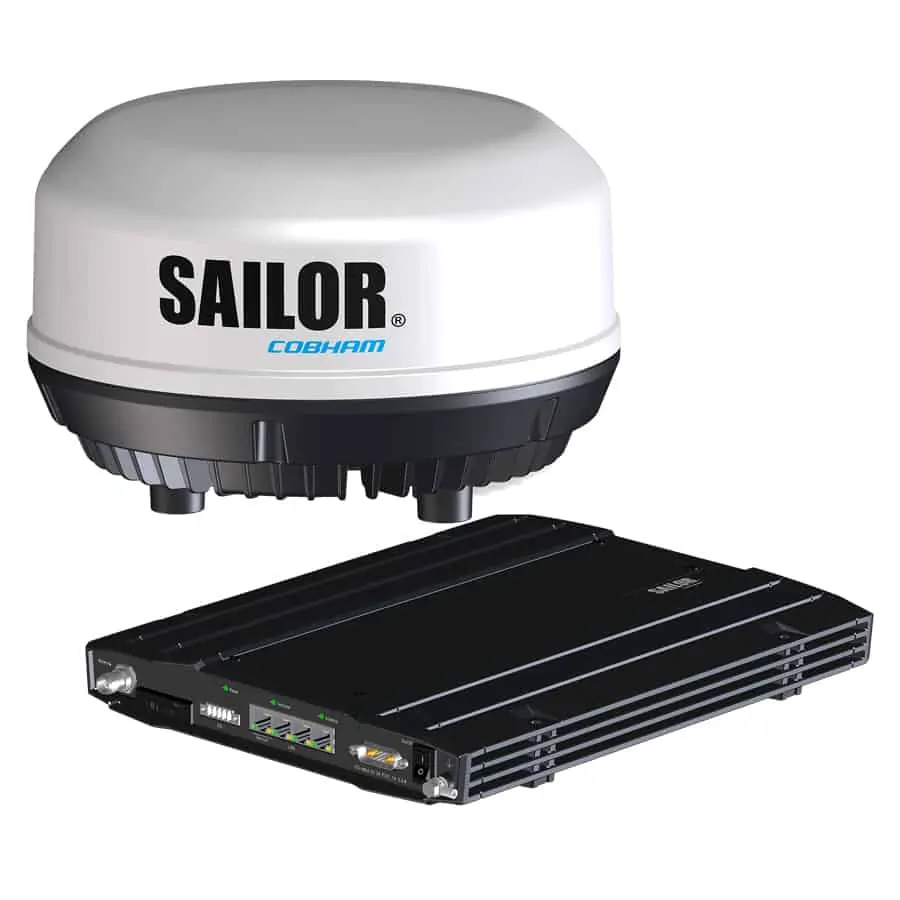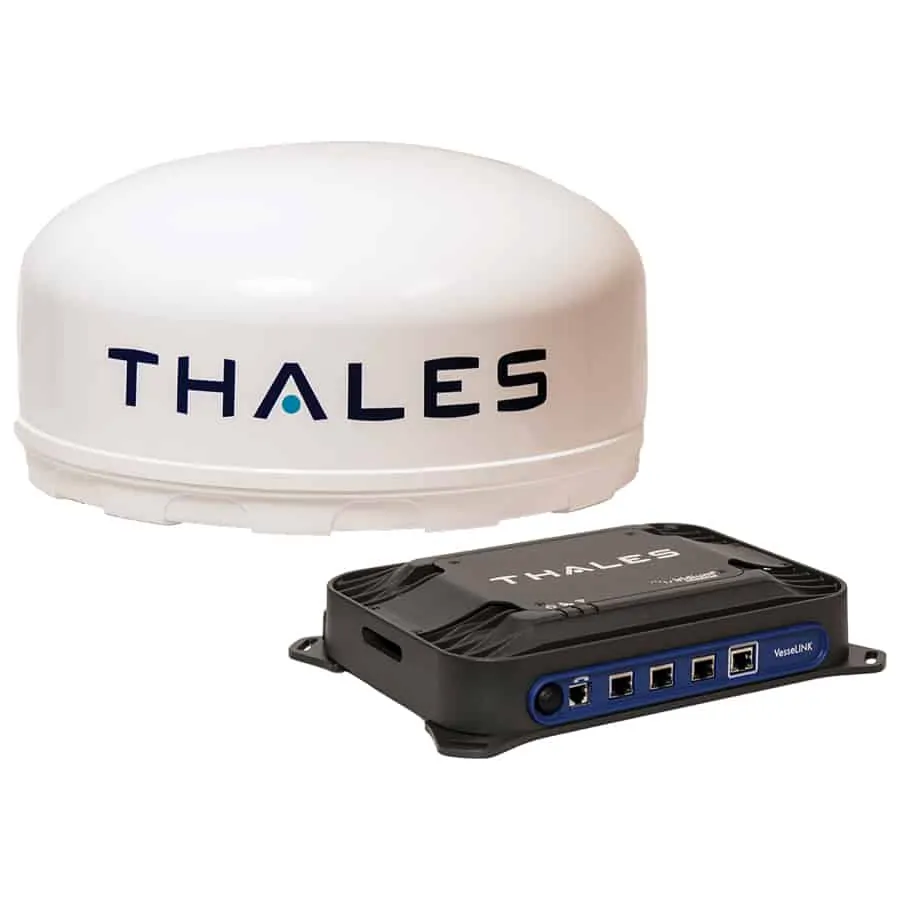


This article delves into how Iridium’s satellite network provides a dependable primary interaction solution, facilitating off-the-grid operations for autonomous systems, irrespective of their location or weather conditions.
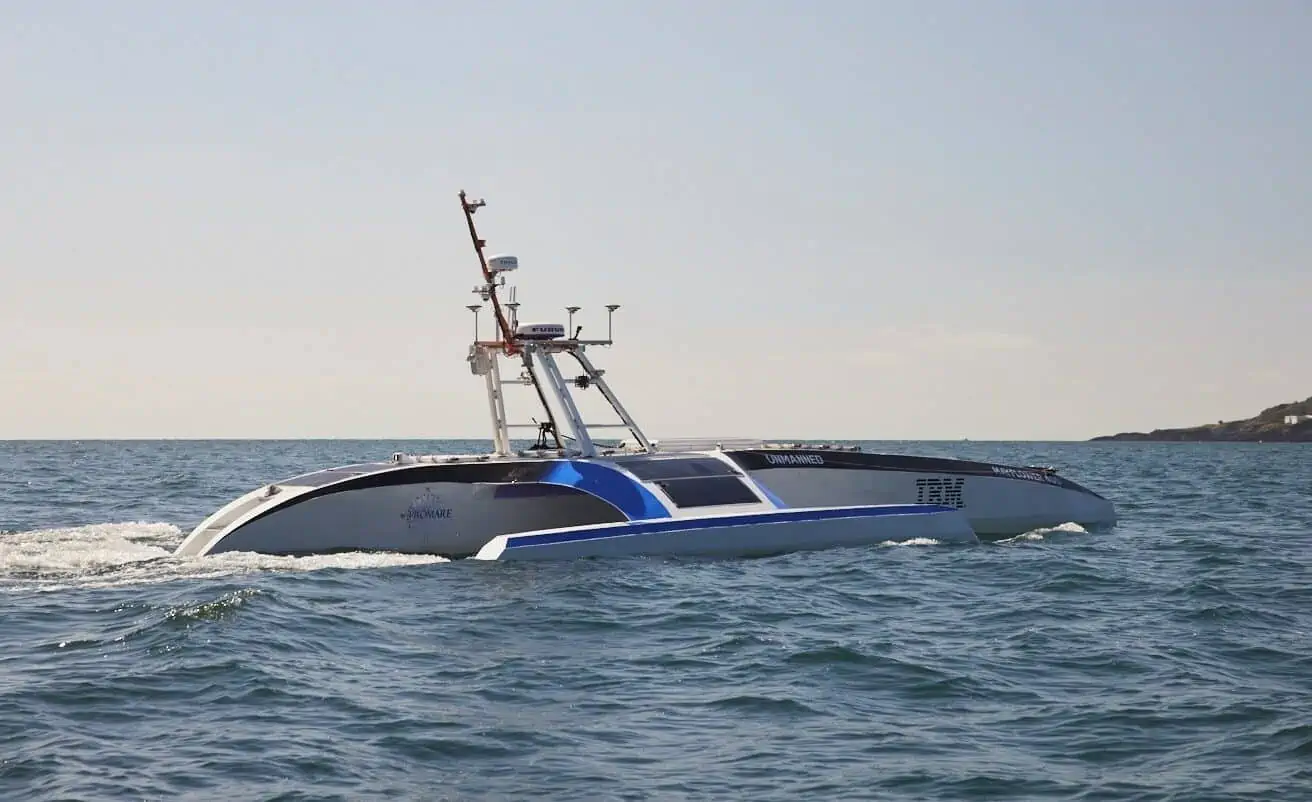
Autonomous systems empower machines to execute and communicate pre-defined tasks while making decisions independently of human intervention. These systems can be seamlessly integrated with satellite communications for drones and IoT devices, whether stationed in fixed locations or operating as mobile units on land, at sea, or in the air. The fusion of autonomous systems with various machines and devices has revolutionized operations across multiple sectors, enabling them to carry out missions autonomously—especially in remote and challenging environments. this technology minimizes risks to personnel, accelerates data collection and analysis, and provides actionable insights. Examples of autonomous systems include Uncrewed Surface Vehicles (USVs) collecting data in marine environments, unattended sensors tracking environmental shifts, self-driving vehicles navigating urban landscapes, and uncrewed Aerial Vehicles (UAVs) performing surveillance or package deliveries.
Most autonomous systems are paired with specially designed machines that possess the durability required for their operational environments. Although these systems do not necessitate real-time human oversight, their effectiveness often hinges on a robust and secure communication network.Such a network is essential for issuing new commands, taking remote control, obtaining status updates, and transmitting collected mission data. For autonomous assets deployed in remote areas, weather-resistant satellite communications (SATCOM) have become indispensable. Networks like Iridium® offer a reliable primary communication solution, supporting off-the-grid operations and serving as a cost-effective backup for cellular services when networks are compromised or when assets move beyond coverage areas.
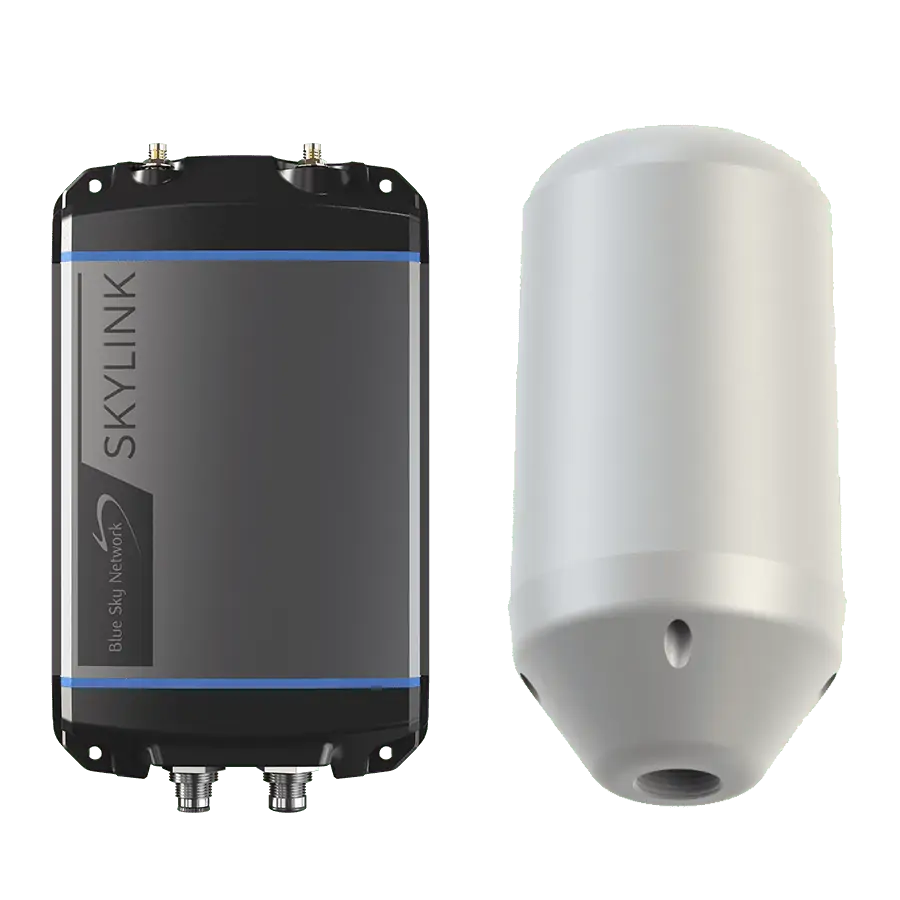
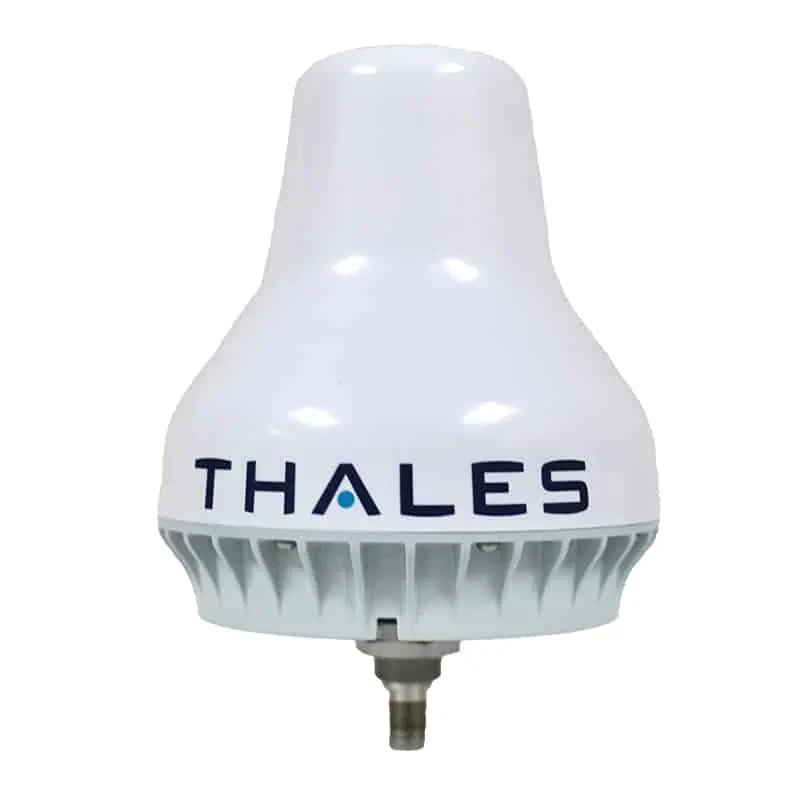
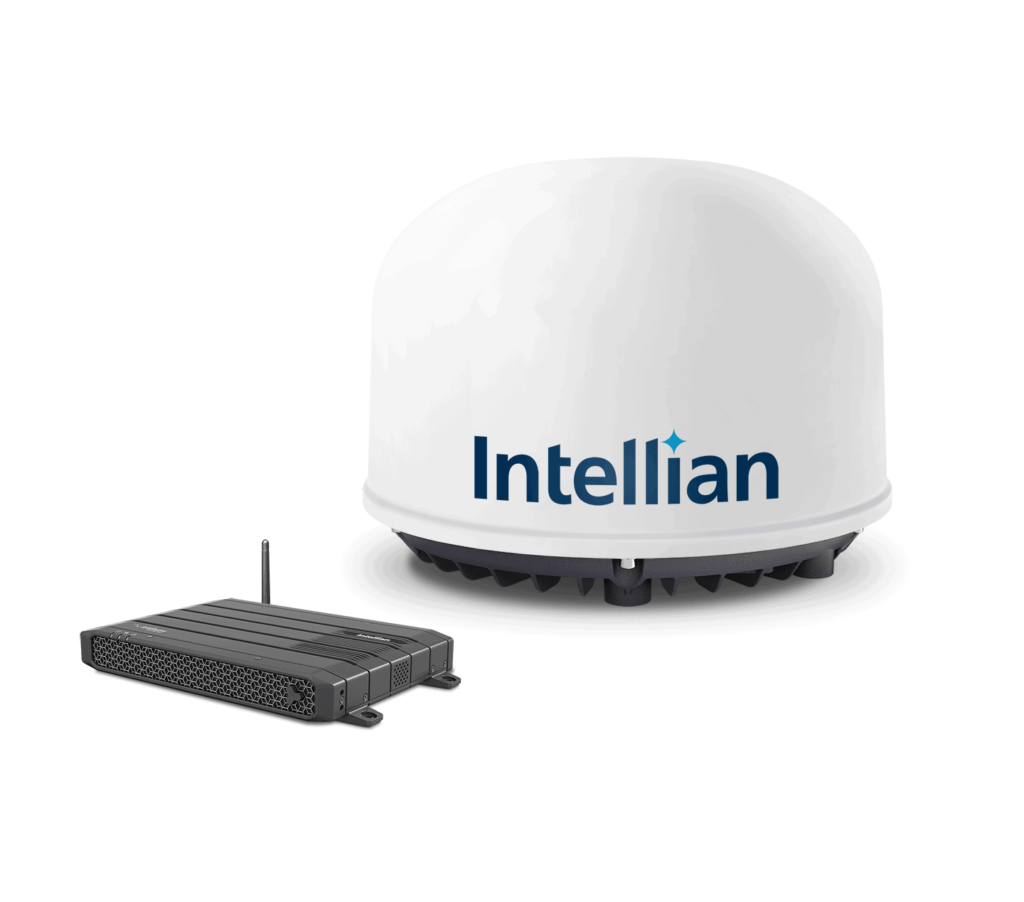
Iridium,along with its partners,has crafted connectivity solutions tailored for autonomous systems,varying in size,weight,power,and bandwidth according to the specific needs of the assets and their missions. Backed by Iridium’s Low Earth Orbit (LEO) satellites, which provide truly global and weather-resilient connectivity, autonomous systems can maintain communication irrespective of their location or environmental conditions. Solutions from Iridium and its partners can be integrated directly into the systems or added as low-profile enhancements, streamlining deployment times.
Current examples of these solutions in action include
Swoop Aero
UAVs,
Saildrone
USVs, and the
McQ OWL
unattended sensor.
Swoop Aero: Pioneering UAV Autonomy
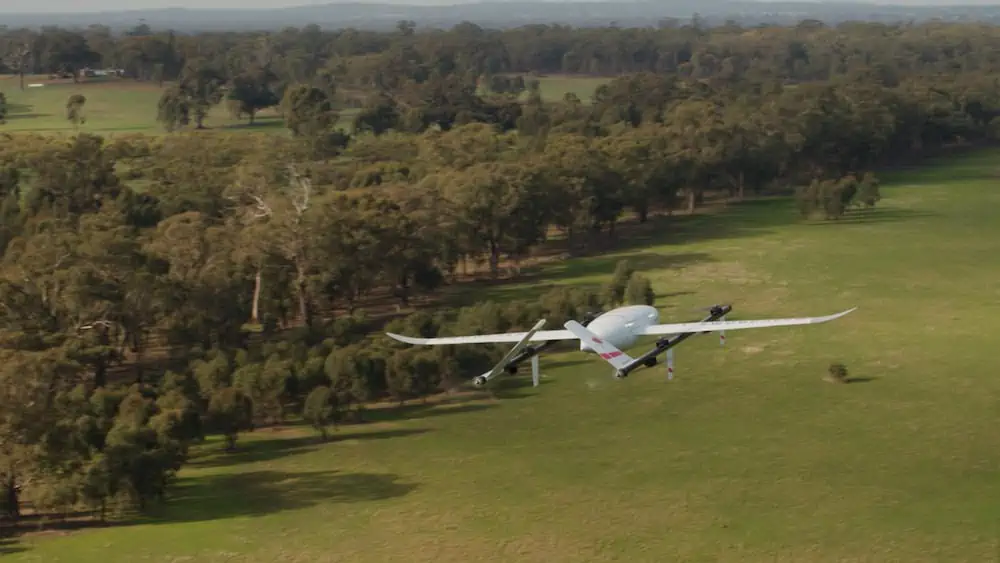
While many UAVs depend on a remote human operator, Iridium partner Swoop aero utilizes its integrated drones for logistics Beyond Visual Line of Sight (BVLOS), enabling the remote piloting of up to five aircraft simultaneously. Their operations often occur in demanding environments, making drone delivery a safer, quicker, and more reliable choice to customary ground transportation. As a notable example,
Swoop Aero has successfully transported vaccines to isolated villages in Vanuatu
, considerably reducing the time spent hiking across mountainous terrain and ensuring timely delivery before refrigeration systems fail.As initiating operations in Vanuatu, Swoop Aero has delivered over 1 million items via drone and has established logistics networks in five countries.
Saildrone: Intelligent Ocean Surveillance with USVs
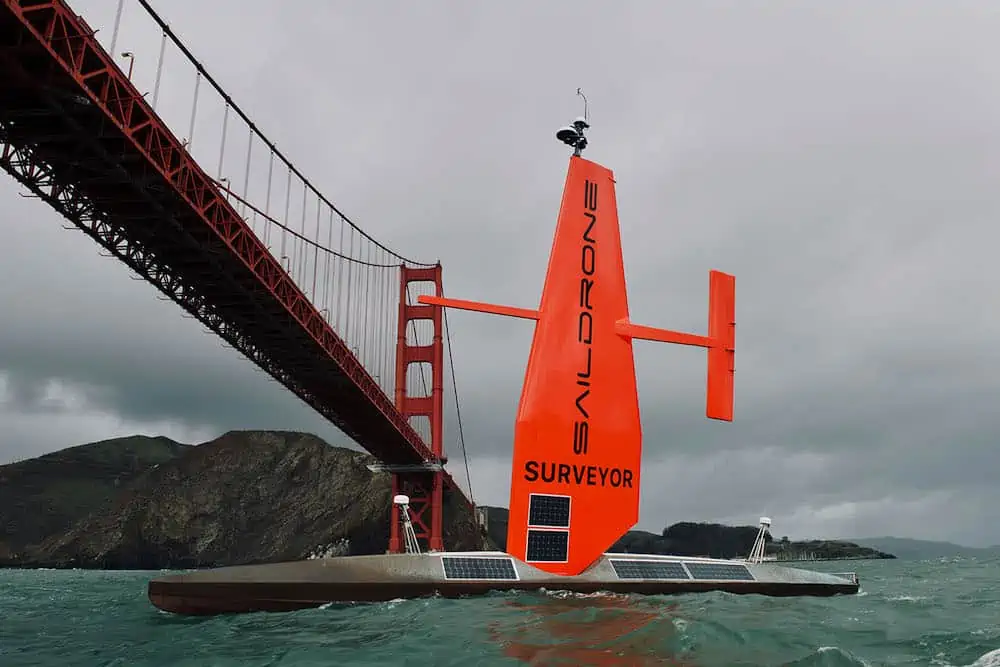
Uncrewed Surface vehicles have rapidly gained popularity, following UAVs, due to their cost-effectiveness and capability to operate autonomously for extended periods. Saildrone,with its fleet of Iridium Connected USVs,garnered global attention by capturing dramatic footage from within a hurricane. This footage, along with data on wind speed, direction, and temperature, was transmitted via the Iridium network, aiding meteorologists in developing more accurate predictive models and enhancing understanding of climate change impacts.
McQ: Vigilant Monitoring with Unattended Sensors

Unattended sensors are the unsung champions of the autonomous landscape. These small, discreet devices, often unnoticed by the general public, provide critical real-time safety information. Examples include tsunami warning buoys, wildfire detection systems, and theft alert devices, all of which significantly impact daily life. Iridium partner McQ’s OWL Intelligent Camera is a fully autonomous remote video surveillance sensor that employs advanced radar algorithms to assess the meaning of detected individuals, animals, vehicles, or objects. Based on this analysis, the sensor determines whether to take action—such as capturing photos, video, or audio—and relays that information to the relevant organization.