Streamlined Integration of GNSS Receivers with New ROS 2 Driver from Hexagon | NovAtel
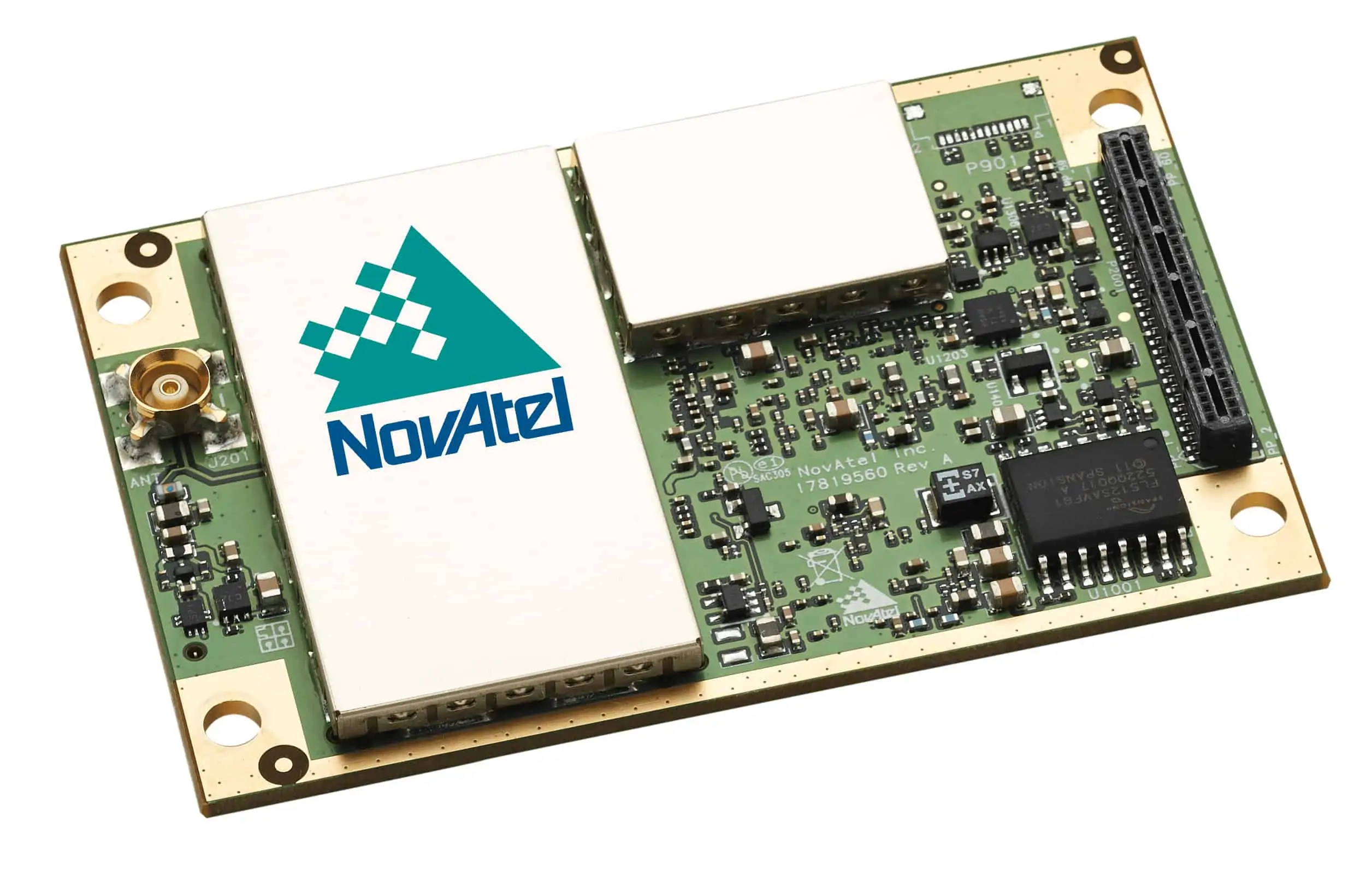
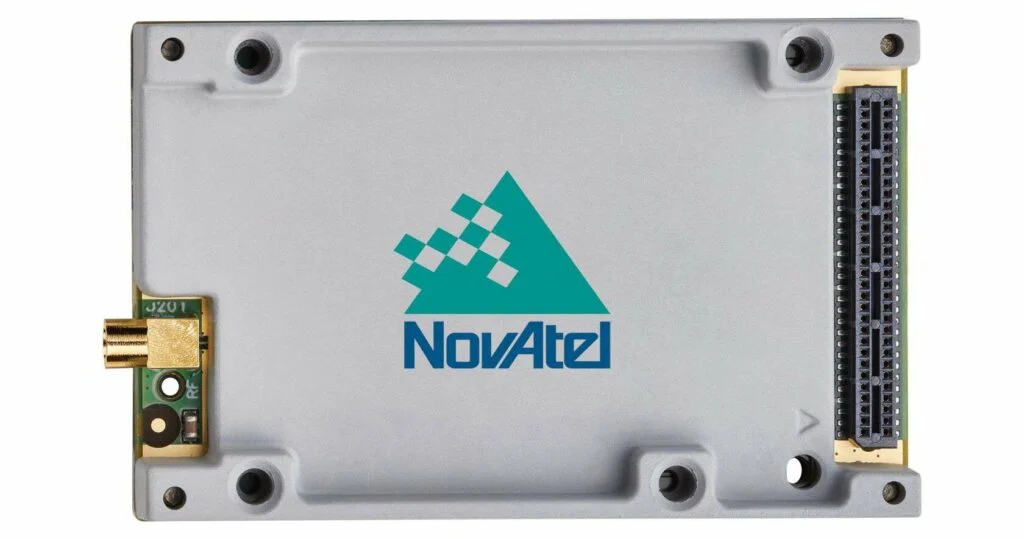
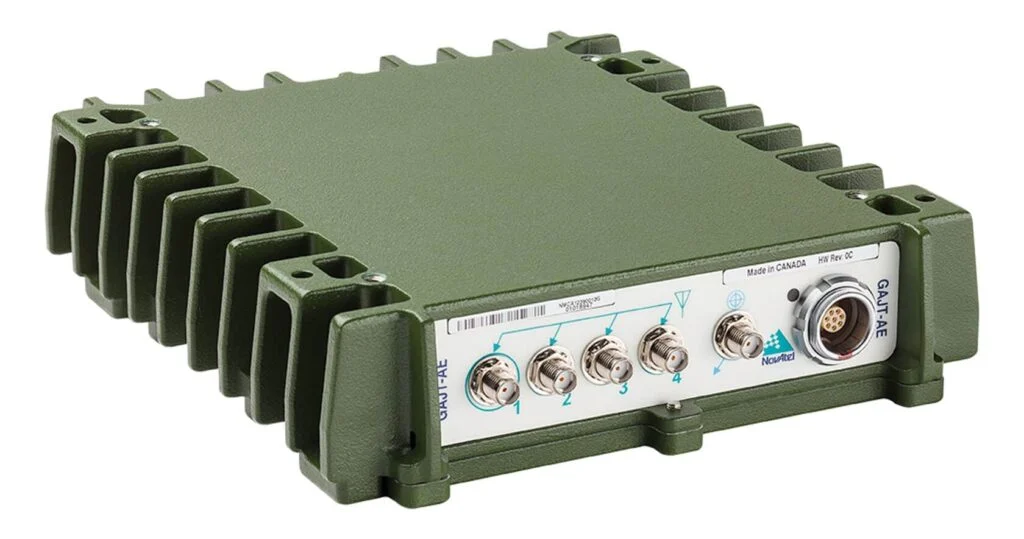
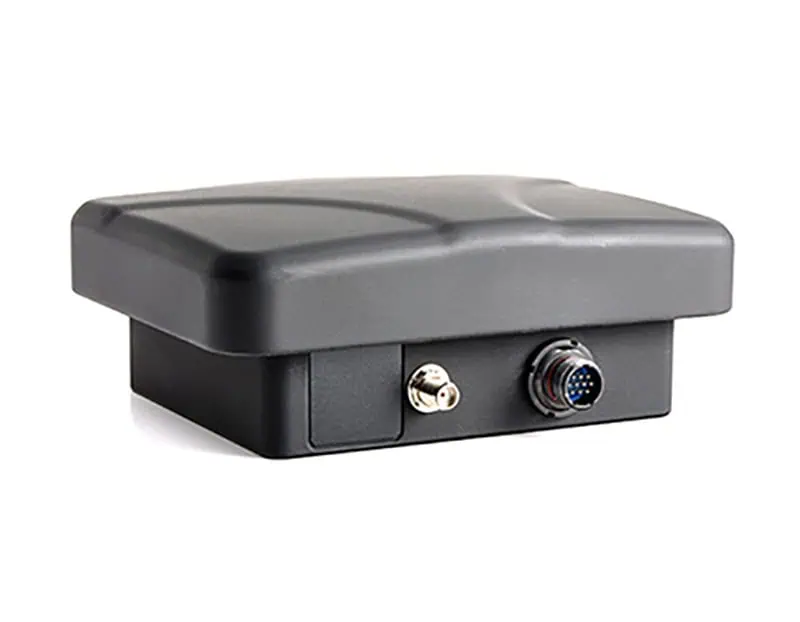
Hexagon | NovAtel has unveiled its latest specialized driver designed to facilitate the integration of the OEM7 series of GNSS receivers into custom applications based on ROS (Robot Operating System) 2. This innovative driver, crafted by NovAtel’s engineering team, aims to enhance the interface for various autonomy initiatives, including UAVs (unmanned aerial vehicles) adn robotic systems.
Supporting the Robotics Community
As the adoption of the OEM7 receiver expands within autonomy projects,academic research,and precision agriculture,NovAtel is committed to addressing the evolving demands of the robotics sector. The introduction of ROS 2 allows developers to expedite the creation of autonomous applications without the necessity of modifying existing community drivers. This driver, rigorously tested and endorsed by NovAtel and hexagon | AutonomouStuff, provides users with effortless access to the GNSS and inertial functionalities of the receiver, enabling the simultaneous use of live, recorded, and post-processed data.
Accessible resources for Developers
Developers can easily download the ROS and ROS 2 drivers from the NovAtel GitHub repository or obtain them as a ROS Binary Package for straightforward installation. Comprehensive documentation is available on the ROS.org wiki, ensuring that users have the resources they need to get started.
Industry Insights
James Szabo,the agriculture autonomy product manager at Hexagon | NovAtel,emphasized the significance of automation in transforming the agricultural landscape: “The advancements in automation and autonomy are pivotal for the agriculture sector.The robust performance of ROS 2, combined with our OEM7 receivers, accelerates integration and minimizes the time to market for clients developing innovative equipment.”
Eric Wuestefeld, executive vice president for agriculture at Hexagon | NovAtel, noted the widespread adoption of the ROS driver in various unmanned operations globally, ranging from tillage and vineyard management to large-scale crop spraying. He stated, “The ROS driver has significantly reduced the time required to transition from prototype to production, allowing users to concentrate on enhancing their autonomous solutions without the complications associated with third-party interfaces.”