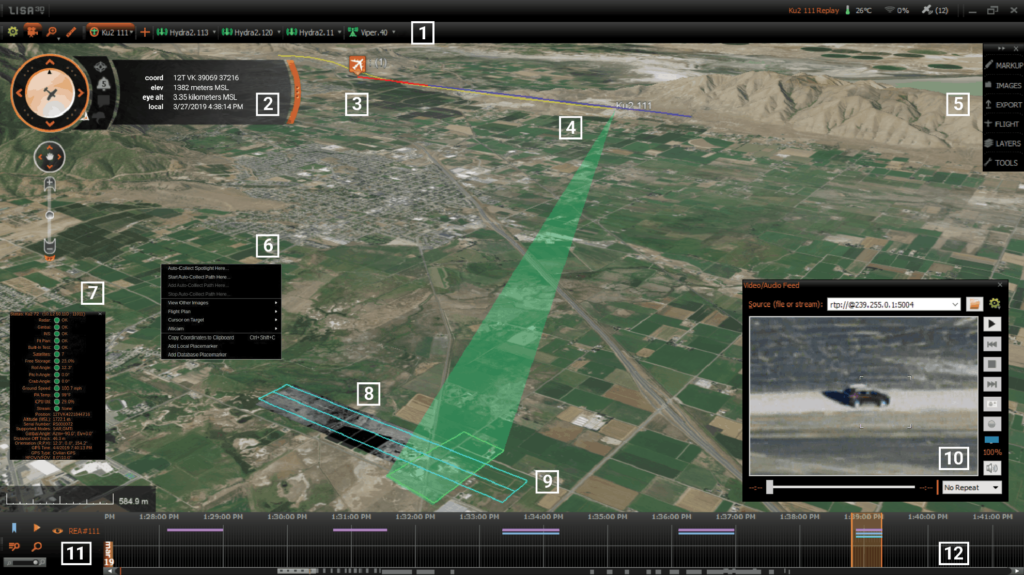



IMSAR is at the forefront of Synthetic Aperture Radar (SAR) advancements, revolutionizing radar technology by providing compact and efficient SAR systems suitable for various platforms. This innovation is making radar technology increasingly practical and versatile for Intelligence, Surveillance, and Reconnaissance (ISR) missions.
In the insightful piece titled “What Does IMSAR Mean When We Say Radar?”,the company delves into its mission to enhance the usability,affordability,and accessibility of SAR technology.
Understanding Synthetic aperture Radar
Synthetic Aperture Radar (SAR) is a sophisticated imaging technology that achieves high-resolution images by simulating a large antenna thru movement.This capability allows SAR systems to produce detailed images even in challenging conditions, such as through cloud cover or during nighttime.
Typically deployed in airborne, side-looking configurations, SAR systems deliver reliable geospatial data and superior imagery, irrespective of environmental factors. When used in conjunction wiht electro-optical and infrared (EO/IR) sensors, SAR technology provides an all-weather imaging solution that considerably enhances situational awareness across diverse scenarios.
Compact and Efficient SAR Solutions
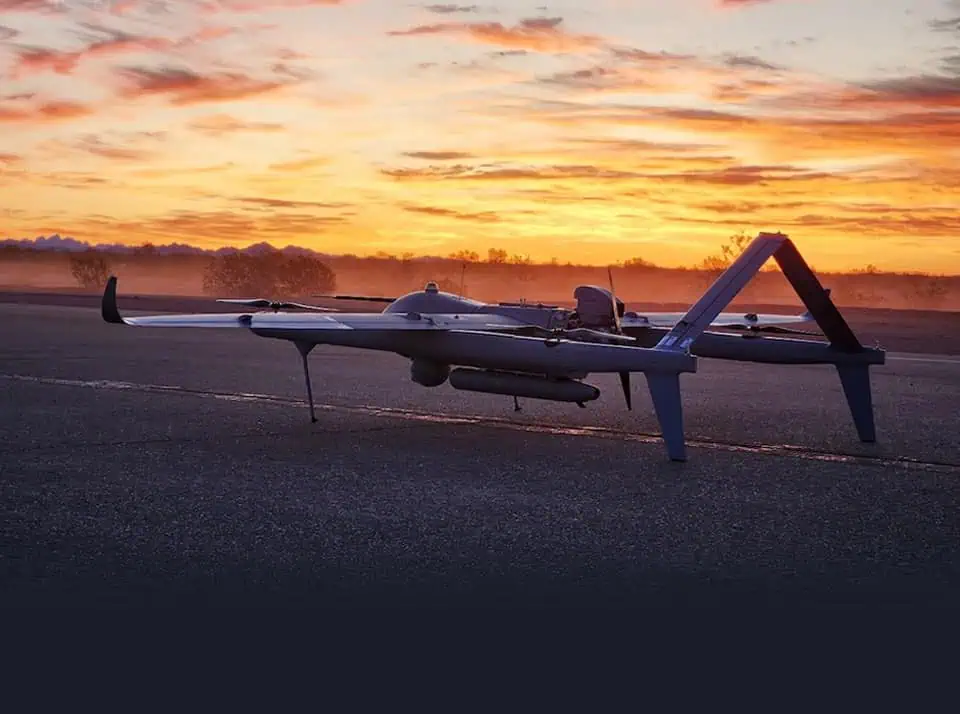
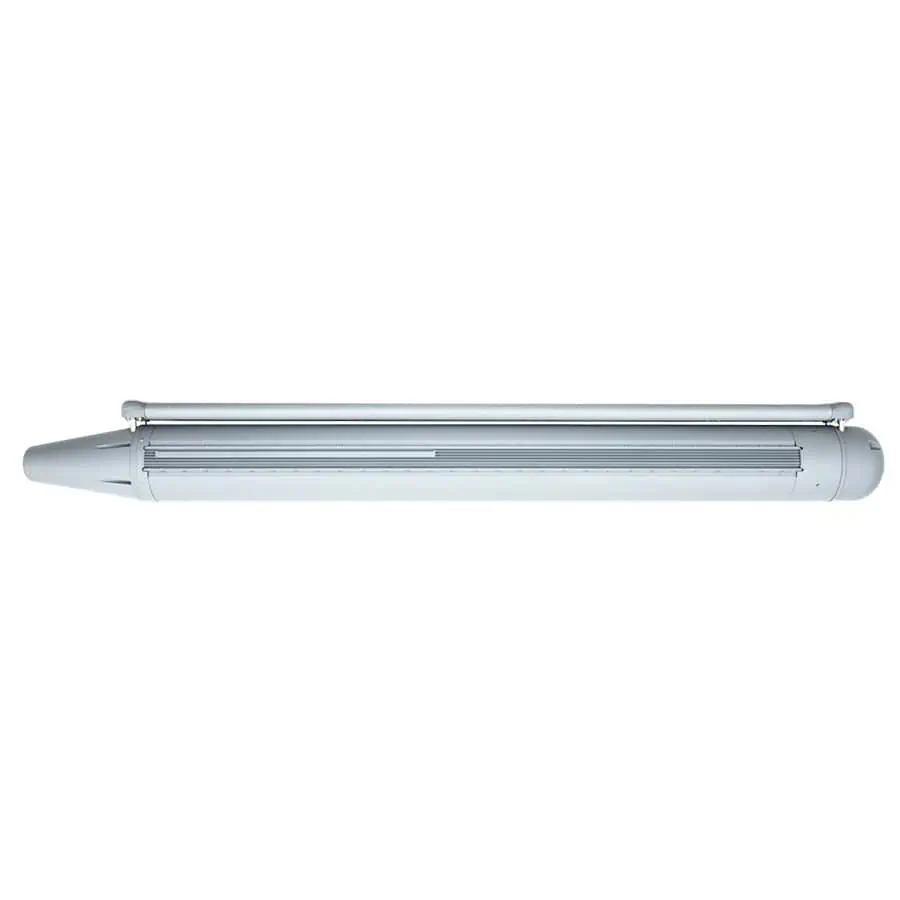
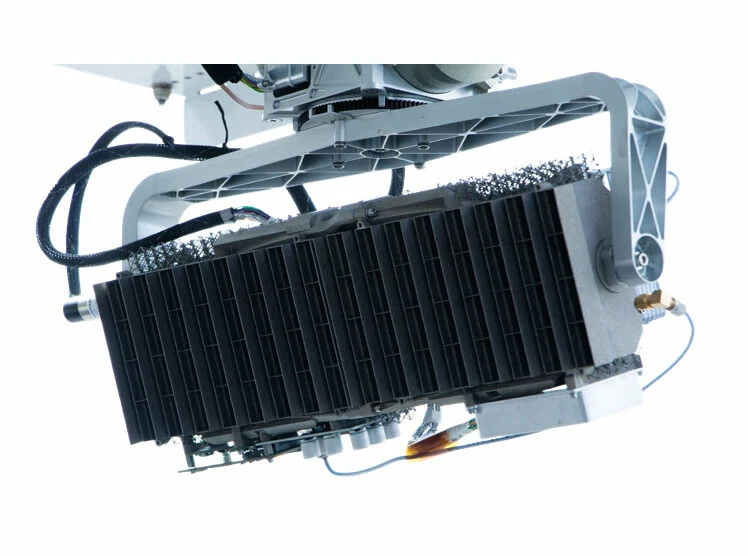
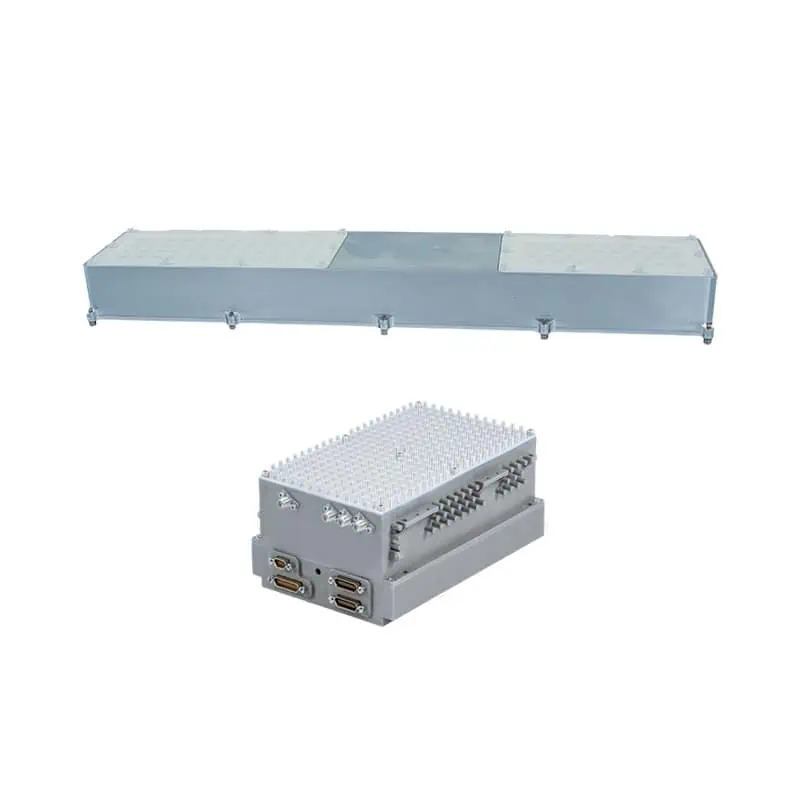
IMSAR’s SAR technology is engineered to meet low Size, Weight, and Power (SWaP) criteria.This advancement means that SAR systems are no longer confined to large aircraft and satellites; IMSAR’s lightweight radars can now be integrated into smaller platforms, including Group 1-5 unmanned aerial vehicles (uavs) and manned turboprop aircraft. by preserving the robust capabilities of traditional SAR systems while adapting them for smaller, cost-effective platforms, IMSAR has broadened the scope of missions that can utilize SAR’s imaging prowess.
Versatile Operational Modes of SAR
IMSAR’s SAR systems boast multiple operational modes, enhancing their adaptability for various mission needs. Key functionalities include:
- SAR Imaging: Produces high-resolution monochrome images, with options for both focused and wide-area searches.
- Coherent Change Detection (CCD): Identifies changes between images taken over time, revealing new developments in the monitored area.
- Moving Target Indication (MTI): Scans extensive areas to detect and track moving targets on land or at sea in real-time.
These features provide essential data for a wide array of applications, from surveillance to environmental assessments. Additionally, IMSAR has introduced advanced SAR modes, such as Interferometric SAR (IFSAR), inverse SAR (InSAR), Forward Looking SAR (FLOSAR), and Air-to-Air MTI (AMTI), further enhancing the versatility of SAR technology.
Commitment to Making Radar Accessible
IMSAR’s vision extends beyond mere technological advancement; it is dedicated to making radar systems widely accessible and adaptable. Their mission to democratize radar signifies a commitment to reducing the barriers that have historically limited radar technology’s reach. This emphasis on accessibility paves the way for organizations to adopt radar for ISR applications across various sectors.
Ryan Smith, the founder, president, and CEO of IMSAR, elaborates on the concept of democratizing radar in the following video:

To learn more about IMSAR’s innovative SAR systems and their impact on the radar technology landscape, visit IMSAR’s website for the full article >>