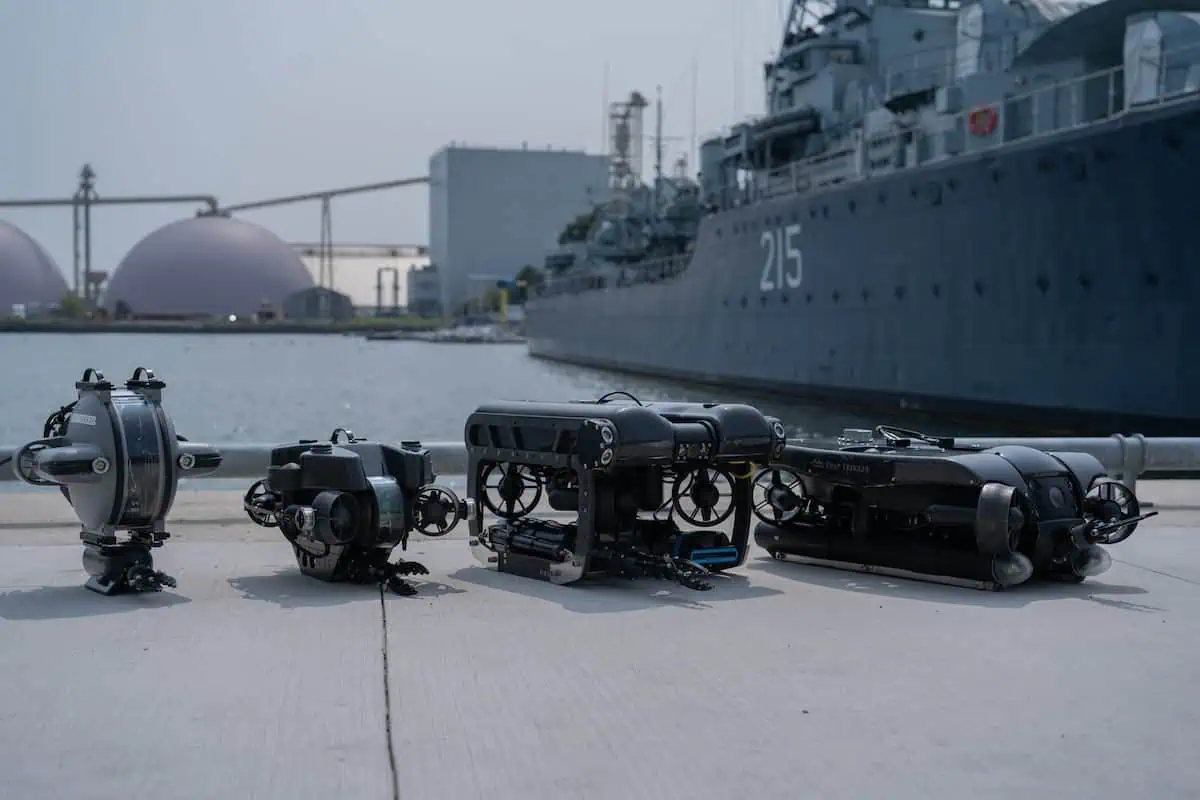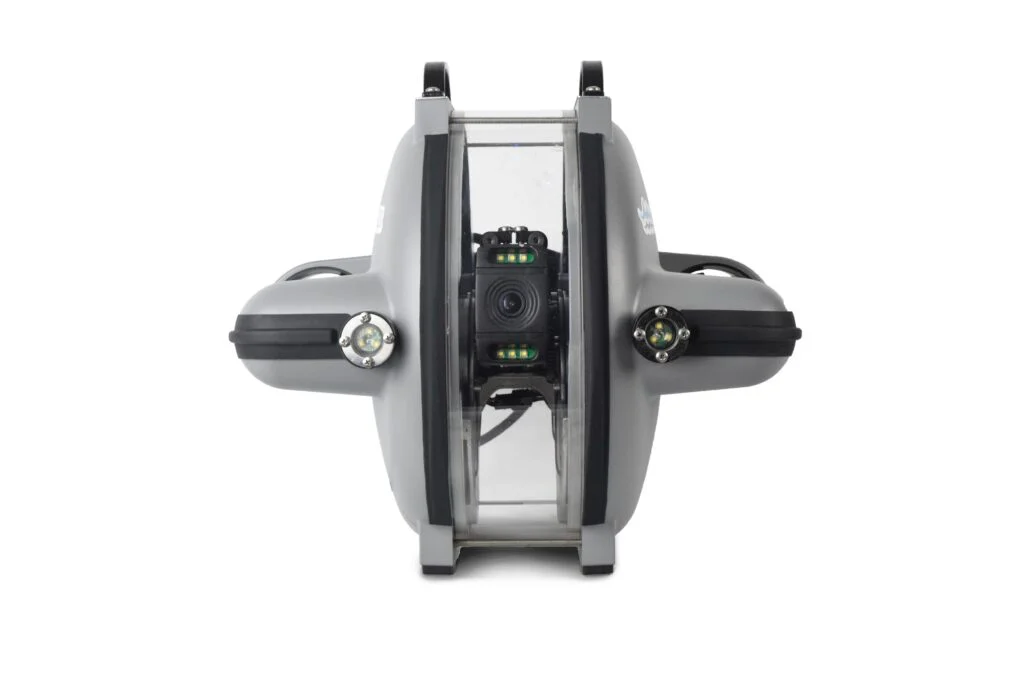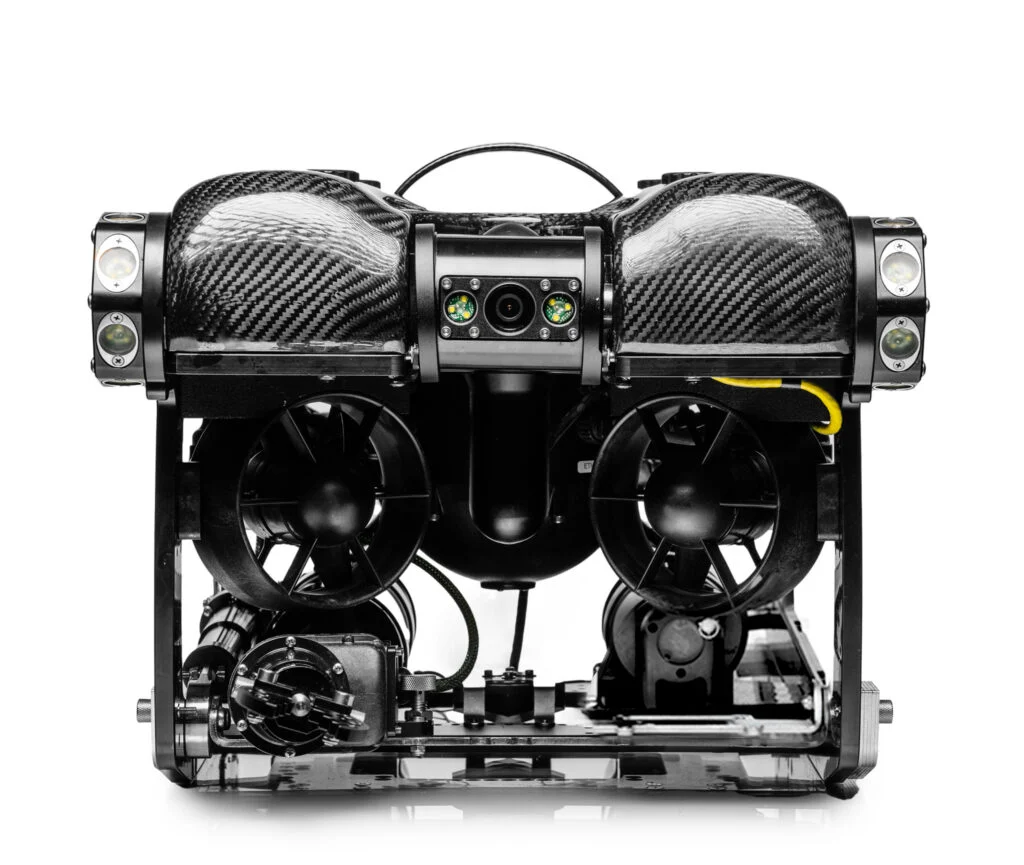


Sonardyne collaborates wiht Shell Brasil, Petrobras, and SENAI CIMATEC to pioneer autonomous technology aimed at enhancing 4D seismic data collection in Brazil’s deepwater pre-salt region.
In a groundbreaking partnership, Shell Brasil, Petrobras, Sonardyne, and the Brazilian research institution SENAI CIMATEC are uniting efforts to revolutionize the collection of 4D seismic data in Brazil’s deepwater pre-salt areas.
Identifying the Challenge
Seismic data plays a crucial role in the progress of offshore fields, especially for effective reservoir management and optimizing production.Over the years, methods for collecting this data have significantly advanced, transitioning from marine streamers used in extensive exploration campaigns to the prevalent use of Remote Operated Vehicles (ROVs) for deploying Ocean Bottom Nodes (OBNs) that provide high-resolution imaging of pre-salt reservoirs.
Though, the process of collecting seismic data for imaging pre-salt reservoirs remains labor-intensive. It typically requires large, expensive, and carbon-emitting crewed vessels to deploy and retrieve thousands of nodes. As a notable example, a 10-month operation over one of Brazil’s major pre-salt fields could result in nearly 10,000 tons of CO₂ emissions from a node handling vessel. The complexity and high costs associated with these operations often lead to a decrease in the frequency of surveys, including those necessary for time-lapse or 4D seismic data, which is essential for monitoring pre-salt reservoirs.
Recognizing these challenges, Shell and Petrobras approached us with the vision of a more cost-effective and lasting method for acquiring 4D seismic data and monitoring other parameters like seafloor subsidence, all while minimizing environmental impact and enhancing safety for personnel.
Innovative Solutions
In response, Shell Brasil, Petrobras, and Sonardyne have partnered with SENAI CIMATEC to create an advanced seismic data acquisition system as part of a research and development initiative promoted by the Brazilian National Agency of Petroleum, Natural Gas and Biofuels (ANP).
At the heart of this initiative is the On-Demand ocean Bottom Node (OD OBN), a semi-permanent seabed system designed for high-resolution seismic data collection and monitoring of seafloor subsidence.
Similar to traditional seabed nodes, each OD OBN is equipped with three geophones, one hydrophone, a data recording unit, batteries, and a precise clock. These sensors capture pressure waves generated by an airgun source, typically towed by a vessel, as they bounce back from the geological layers surrounding the reservoir.
What sets OD obns apart is their ability to remain on the seabed, at depths of up to 3,000 meters, collecting seismic data for provided that five years. This innovation drastically reduces the costs associated with repeated ocean bottom seismic campaigns by eliminating the need for a node handling vessel, thereby lessening the environmental impact and protecting marine ecosystems.
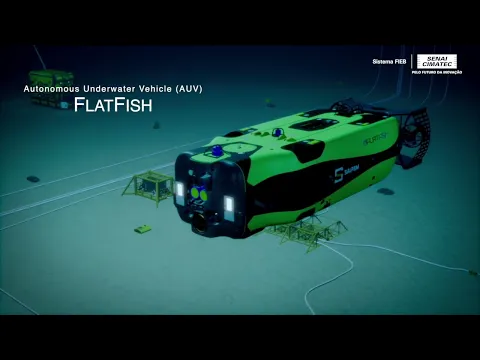
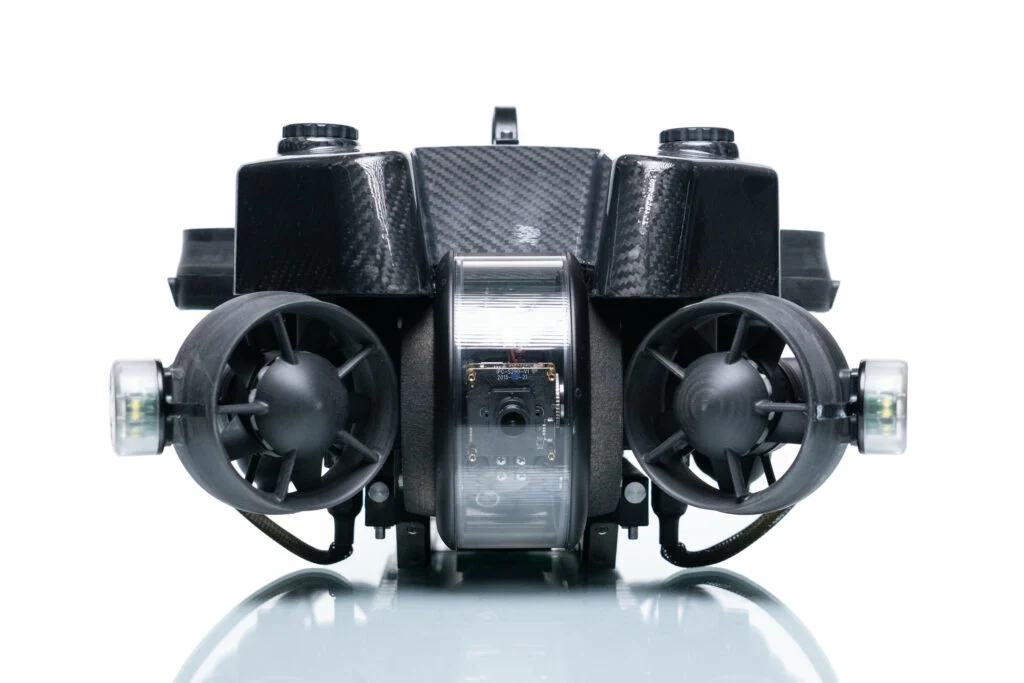
The activation of the nodes, monitoring of subsidence alarms, calibration of internal clocks, and data collection will be conducted using an Autonomous Underwater Vehicle (AUV) named Flatfish, developed in collaboration with Shell Brasil, Petrobras, SENAI CIMATEC, and Saipem as part of a closely linked ANP project.
Flatfish will locate each node using Sonardyne’s sixth-generation (6G) acoustic positioning systems. This technology will also facilitate data transmission with the nodes for health checks, configuration, and acoustic time synchronization.The AUV will hover above each node sequentially, utilizing a high-bandwidth, energy-efficient laser-based version of Sonardyne’s BlueComm optical communication device to wirelessly collect vast amounts of seismic data in mere minutes.
This advanced system employs two rapidly modulated lasers to enable simultaneous bi-directional communication over distances exceeding five meters. It is optimized for maximum data transfer efficiency, achieving speeds of over 600 megabits per second, making it ideal for retrieving large datasets from seabed nodes.
“The integration of OD OBN with Flatfish allows for a more streamlined 4D seismic campaign in the pre-salt region, characterized by reduced operational costs, minimized human exposure risks, and a lower environmental footprint,” states Jorge Lopez, Subsurface Technology Manager at Shell brasil. “Additionally, these nodes can monitor seafloor deformation and continuously track potential subsidence events during field production.”
Project Outcomes
In the initial phase of the OD OBN project, eight fully operational prototype nodes were developed. These prototypes, consisting of two distinct design concepts, were created by SENAI CIMATEC in Salvador, Bahia, in collaboration with Sonardyne Brasil.
In 2021, preliminary tests for seismic data recording were conducted at the Sapinhoá pre-salt field off the coast of Brazil, alongside interoperability tests between the nodes and the Flatfish AUV in shallow waters near Trieste, Italy.
An extensive laboratory and offshore testing program is set to take place over the next 18 months to ensure the OD OBN system meets its operational standards. This initiative will enhance the solution’s readiness, with tests in pre-salt fields aimed at recording seismic data using the OD OBN prototypes and conducting communication and data retrieval missions with the AUV.
The next phase of the project, commencing in late 2022, will see Shell and Petrobras formalize an agreement to manufacture 600 nodes for deployment over three years to monitor reservoirs in a Brazilian pre-salt field.