
Understanding the MIL-I-46058C Standard for Conformal Coatings
The MIL-I-46058C standard serves as a crucial guideline for conformal coating materials, ensuring the protection of printed circuit board assemblies (PCBAs) in military settings. This article explores the significance of this standard,compliance strategies,and practical tips for adapting to evolving requirements.
Importance of the MIL-I-46058C Standard
The MIL-I-46058C standard, although inactive for new designs since 1998, continues to hold relevance for manufacturers of conformal coatings. This is primarily due to two factors: it is the sole published standard that includes a qualified product list recognized by the department of Defence (DOD), and it mandates certification from an independent third party. Thes aspects ensure that the coatings meet stringent reliability criteria essential for military applications.
Essential Performance Metrics
The MIL-I-46058C standard delineates several vital performance metrics for conformal coatings. Coatings must exhibit dielectric breakdown resistance, ensuring they maintain integrity under high voltage conditions. Insulation resistance is critical, as coatings must prevent current leakage that could jeopardize system functionality. Hydrolytic stability is also necessary, ensuring that insulation properties remain intact in moist environments. Furthermore, coatings must withstand thermal shock, retaining protective qualities during rapid temperature changes.Flexibility is essential to accommodate substrate movements, while adequate tensile strength is required to endure mechanical stresses.These performance metrics are crucial for unmanned systems operating in varied environmental conditions.
Protective Capabilities of Conformal Coatings
Conformal coatings provide a range of protective functions. they act as a barrier against contaminants, effectively shielding electronic components from chemicals, moisture, and humidity that could led to degradation. These coatings also resist corrosive elements and fungal growth, making them ideal for use in marine and tropical climates. Additionally, they help absorb mechanical stress from handling and vibrations, ultimately enhancing the durability and reliability of unmanned systems across diverse mission scenarios.
Electrical Insulation Benefits
The electrical insulation properties of conformal coatings are particularly beneficial for the high-density circuitry found in unmanned systems. These coatings prevent electrical leakage, which is vital for maintaining signal integrity in sensitive circuits. they also help reduce electromagnetic and radio-frequency interference, improving the clarity of wireless communications essential for remote operations. Moreover, the coatings protect against shorts and arcing, significantly lowering the risk of catastrophic failures in densely packed electronic assemblies.
Methods of Request
various techniques are utilized for applying conformal coatings to electronic components. Dipping offers extensive coverage and is ideal for high-volume production. Spraying allows for precise control over coating thickness and is adaptable to different board shapes. Vacuum deposition provides remarkable uniformity and ensures pinhole-free coverage. While brushing is less common in large-scale production, it remains suitable for rework and smaller applications. Each method requires strict adherence to processing protocols and thorough inspection to comply with MIL-I-46058C standards.
Quality Assurance and Testing Protocols
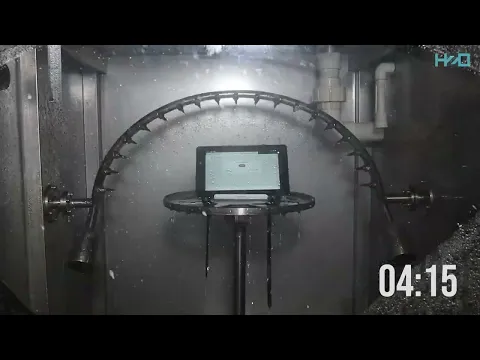
To guarantee reliability under various operational conditions, rigorous testing is imperative. Physical inspections assess coating uniformity and identify defects that could compromise protection. Electrical performance tests include dielectric withstand voltage assessments and insulation resistance measurements. Environmental stress evaluations expose coated components to thermal cycling, salt fog, and humidity tests to simulate real-world challenges. Mechanical durability assessments involve abrasion resistance testing, flexibility evaluations, and impact resistance checks. These comprehensive testing processes validate the effectiveness of coatings for autonomous vehicle applications across a wide array of operational scenarios.
Adapting to Contemporary standards
As technology progresses, manufacturers must adopt a systematic approach to transition to contemporary standards. This begins with a thorough analysis of current processes against new requirements to pinpoint areas for enhancement. Manufacturers should assess and procure compliant materials that align with new standards while addressing specific needs of unmanned systems.Training staff on updated requirements is crucial for smooth implementation and minimizing errors. A phased approach to implementation can help reduce disruptions in ongoing production. Establishing mechanisms for continuous improvement will refine processes over time. Consulting industry experts can provide valuable insights into the complexities of transitioning.
By comprehensively understanding and implementing these coating standards, engineers can ensure that thier autonomous vehicles operate reliably in challenging environments, from arid deserts to humid tropics, and from high-altitude flights to deep-sea missions. This holistic approach to conformal coating selection, application, and quality control significantly enhances the reliability and longevity of unmanned systems, supporting their vital roles in various aerospace and defense applications.
For further insights, read the complete article here or visit the HZO website for more data.