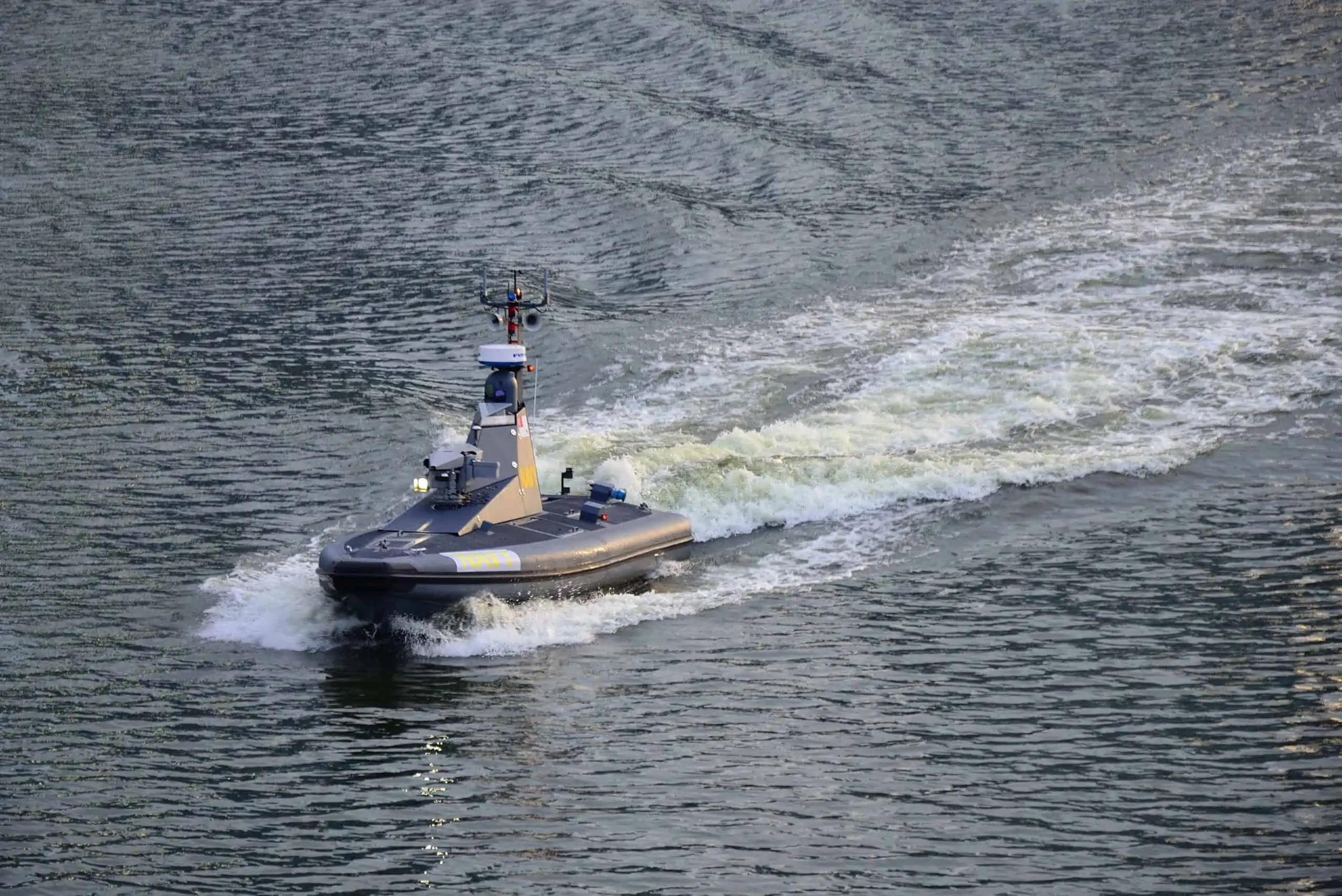


Jake Palmer, Relationship Manager at FarSounder, elaborates on the innovative forward-looking sonar technology, highlighting its seamless integration into autonomous vessels, the company’s dedication to eco-amiable practices, and the latest trends in the unmanned maritime industry.
In what ways does FarSounder’s Argos Forward Looking Sonar (FLS) technology improve situational awareness for unmanned maritime vehicles?
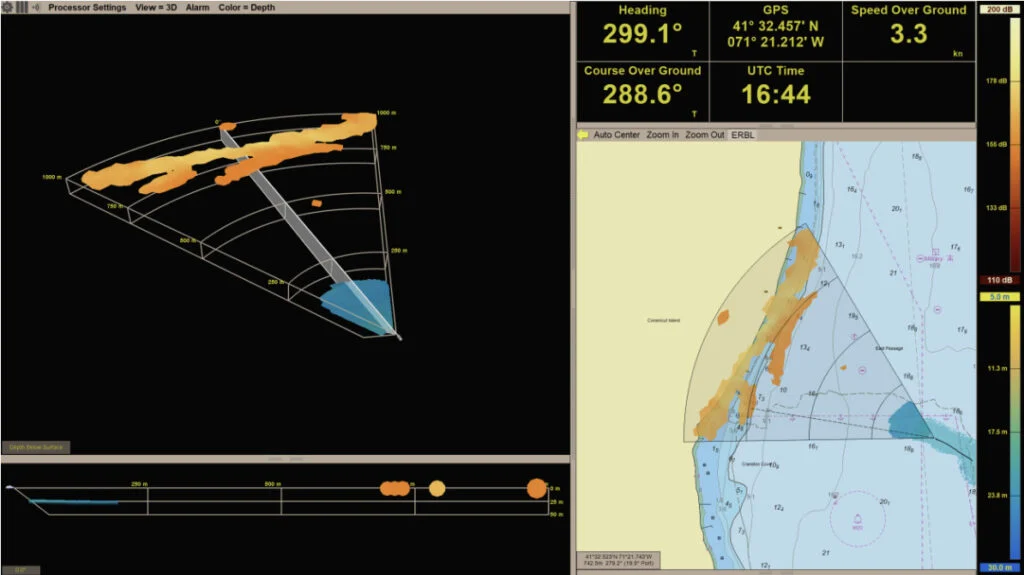
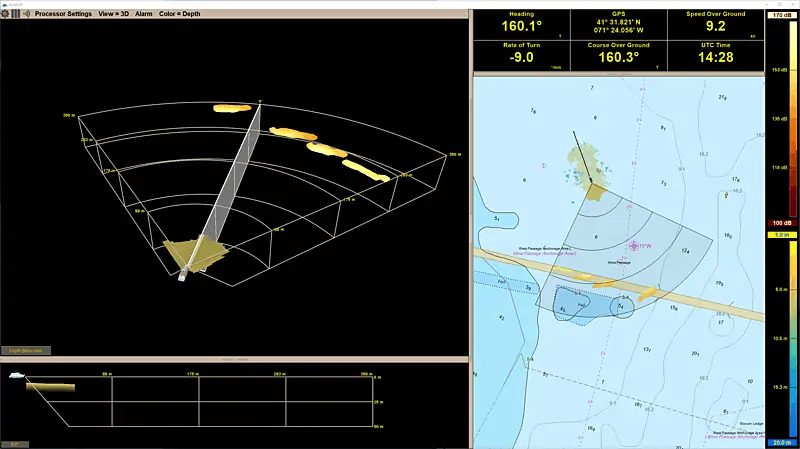
The Argos systems deliver real-time three-dimensional data regarding the underwater landscape in front of a vessel, allowing unmanned surface vehicles (USVs) to identify submerged obstacles. This technology generates a continuously updated bathymetric map of the vessel’s path, providing essential data for safe navigation, especially in shallow or unexplored waters.
Argos empowers USVs to autonomously recognize and evade underwater dangers such as reefs, marine life, wrecks, ice, and debris. By supplying real-time processed data to onboard autonomous systems, Argos FLS enhances decision-making, mitigates risks, and boosts mission reliability, even in the absence of human oversight.
How are your forward-looking sonar solutions being incorporated into uncrewed surface vessels (USVs) and autonomous underwater vehicles (auvs)?
Our integration process is user-friendly, facilitated by our Software Development Kit (SDK) and Ethernet-based machine interface, which allows for smooth incorporation into autonomous control systems. This setup enables vehicle control systems to access fully processed,real-time navigation data. For operations involving human oversight,Argos also features an intuitive user interface.
In terms of physical installation,Argos sonars can be either fixed-mounted or deployed using a hoist,making them versatile for various USV platforms. Our systems have been successfully integrated into numerous critically importent unmanned programs, including those led by government entities.
what distinctive capabilities do your Argos systems possess for real-time detection of underwater obstacles and hazards?
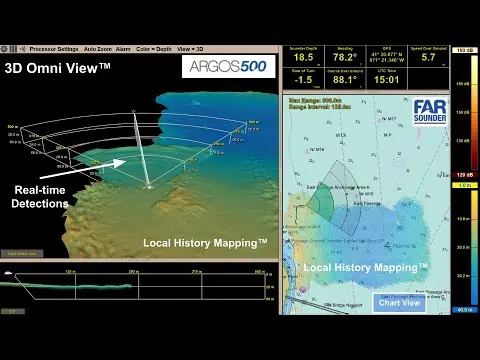
A standout feature is the ability to detect obstacles in real time, with the information presented in both 3D and chart formats. The system boasts a wide field of view—up to 120° in short-range mode—and can identify obstacles as far as 1000 meters ahead, depending on the model and environmental conditions. The sonar can recognize hazards such as shallow seabeds and submerged dangers that threaten vessel safety. This enhanced spatial awareness enables USVs to make informed navigation choices and adjust their routes in real time, thereby improving operational safety and mission success.
Is the sonar capable of detecting whales? How does it impact the habitat?
Indeed, the sonar can identify whales. The detection of marine mammals has been a focus for FarSounder’s engineering team as the technology’s inception. Recently, the team has gathered promising engineering data regarding the acoustic reflectivity of whales. Our long-term objective is to contribute to the scientific understanding of these remarkable creatures and provide measurable performance metrics for various whale species across different environments.
Our technology development is grounded in the principle of not introducing new challenges to the marine ecosystem while addressing existing ones. Consequently, our team has worked diligently to ensure that our products do not adversely affect the marine mammals we aim to protect. The engineering team has made significant efforts to ensure that the technology is harmless to whales and does not acoustically disturb any marine life.
with the evolution of sonar technology, what emerging trends do you anticipate in the unmanned maritime sector, and how is FarSounder positioning itself to lead in this domain?
As the maritime industry transitions towards greater autonomy, notable trends include enhanced real-time underwater awareness, improved obstacle detection, and increased mission independence for USVs. There is also a rising interest in fleet sharing of crowd-sourced data, AI-driven decision-making, and integrated bridge systems.
FarSounder is strategically positioned to lead in this arena by providing Commercial Off-The-Shelf (COTS) 3D sonar solutions that are operational on vessels globally. Our capability to deliver machine-readable outputs,facilitate seamless integrations,and ensure compatibility with autonomous control systems places us at the forefront of unmanned navigation. Through ongoing collaborations across defense, commercial, and research sectors, FarSounder continues to spearhead innovation for the next generation of uncrewed maritime operations.
For more information, visit the FarSounder website.