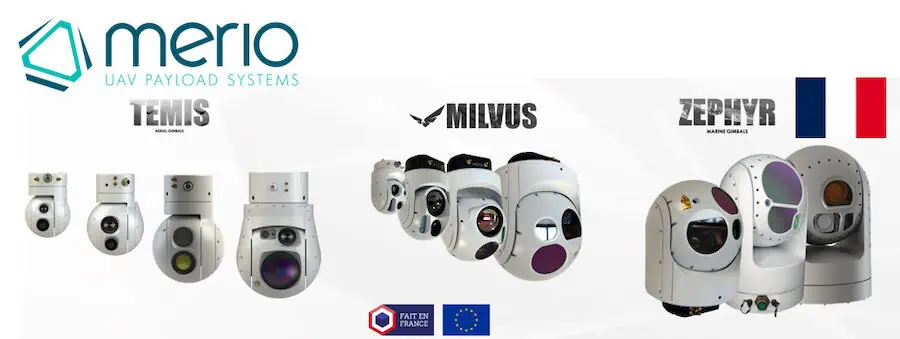
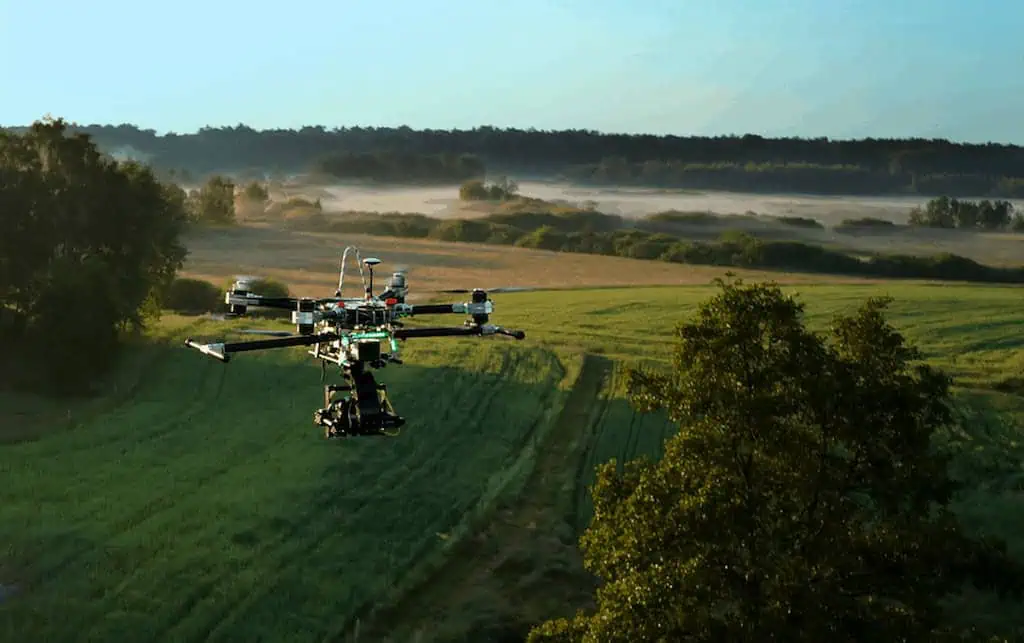
With the increasing need for accuracy and adaptability in UAV operations, the customization of aerial gimbals has transitioned from being an optional feature to a essential necessity. Discover more >>
At HD Air Studio, we specialize in crafting custom UAV gimbals tailored for optimal performance across various specialized applications, including LiDAR, thermal imaging, industrial inspections, and robotic integrations.But what does it entail to customize a UAV gimbal, and what steps are involved? This article delves into some of the most common inquiries regarding the development of custom gimbals.
What Aspects of a UAV Gimbal Can Be Tailored?
Every custom UAV gimbal project at HD Air Studio is distinct, yet one principle remains unchanged—uncompromised freedom of movement. Custom gimbals are meticulously designed to align with specific sensor and operational needs,ensuring flawless performance.Key areas for customization include:
Gimbal Dimensions & Compatibility
The gimbal must be precisely sized to accommodate the sensor, whether it’s a LiDAR device, thermal camera, or industrial imaging system. Gimbals mounted on UAVs differ substantially from those used with robotic arms or other machinery, necessitating bespoke dimensions and configurations.
brushless Motor Selection
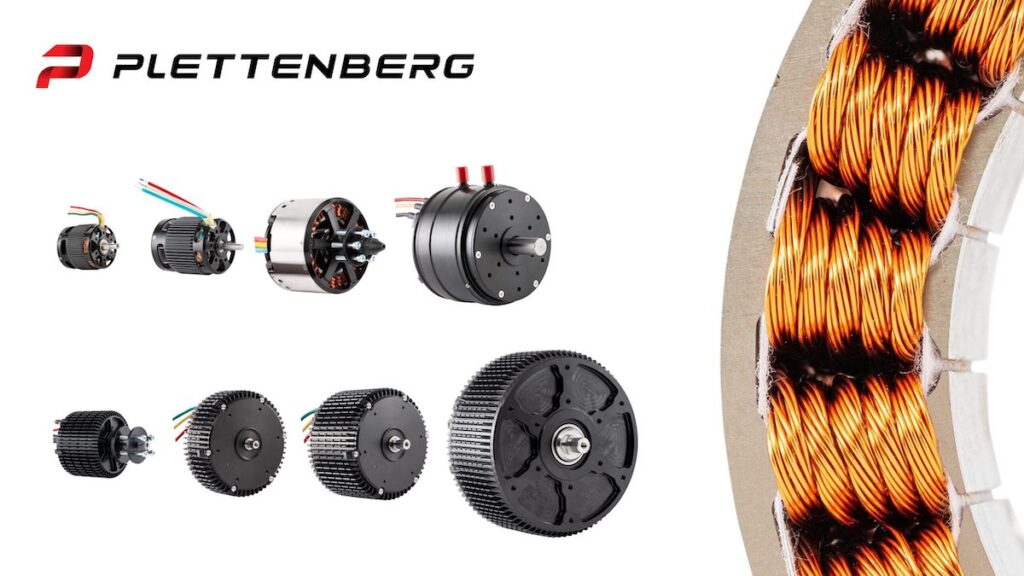
The choice of motors is influenced by the payload capacity. Whether the gimbal supports 2 kg or 20 kg, selecting direct-drive brushless motors guarantees smooth stabilization and dependable operation.
Integrated Sliprings
Efficient wire management is crucial for clear data transmission. Sliprings enable users to manage video and shutter signals without interference,facilitating advanced functionalities.
Weather-Resistant Enclosures
Custom-designed sensor enclosures offer IP65-rated protection against dust,water jets,and moisture,ensuring reliable operation in challenging environments.
Mounting Solutions
Both the connections between the gimbal and drone, as well as the sensor and gimbal, must be seamless. Custom mounting solutions simplify integration, reducing the need for complex adjustments and enhancing user experience.
Can Software Features Be Tailored in a UAV Gimbal?
In addition to stabilization, HD Air Studio’s UAV gimbals are equipped with advanced onboard computing and data processing software. operators can interact with the gimbal’s onboard systems and autopilot to perform pre-programmed tasks, modify settings, and access real-time data. Custom software configurations enable mission-specific automation, remote adjustments, and improved operational control.
What is the Timeline for Developing a Custom UAV Gimbal?
The timeline for customization varies based on the complexity of the project:
- Modifications to Existing Designs: Adjustments like resizing camera trays or altering cabling can typically be completed within 1-5 days.
- Complete Custom Gimbal Development: From initial assessment to client training, a brand-new design usually takes about 4-5 weeks. After this phase, small-scale production can be initiated based on customer requirements.
What Ensures a Successful Custom gimbal Development Process?
Clear dialog is vital for effective UAV gimbal customization. Grasping project requirements, establishing clear objectives, and remaining flexible throughout the development process ensures that the final product meets the client’s operational demands.
By merging engineering expertise with collaborative efforts, HD Air Studio delivers custom UAV gimbals that enhance efficiency, reliability, and performance in critical mission applications.
For further insights, read the original article or visit the HD Air Studio website.