

In modern communication frameworks, antennas are vital components that facilitate the transmission adn reception of electromagnetic signals. selecting the right antenna is crucial for effective communication systems.
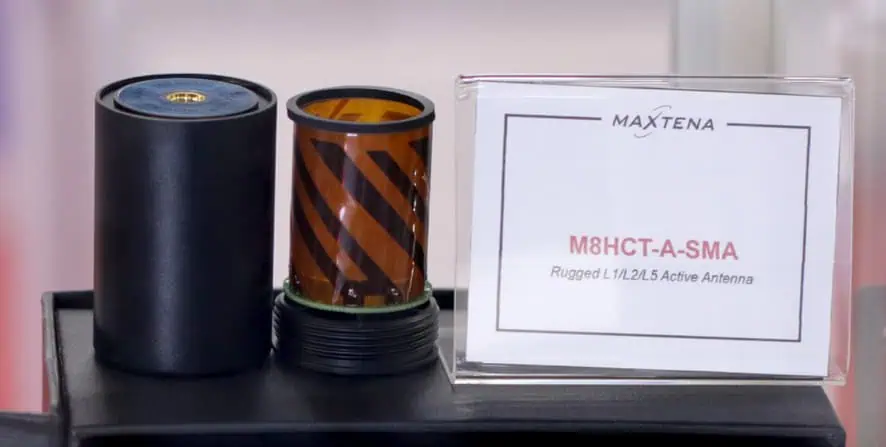
Maxtena specializes in delivering high-quality antenna solutions tailored for unmanned systems operating on land, sea, and in the air. The selection of an appropriate antenna for communication tasks necessitates careful consideration of various factors.
Guidelines for Selecting the Ideal Antenna
It is indeed essential for users to clearly define their specific needs and constraints, then match these with the appropriate antenna type and specifications. Engaging with an antenna expert like Maxtena or utilizing simulation software can significantly enhance the decision-making process.
An effective antenna should efficiently transmit or receive signals to minimize power loss. Discover how to choose an antenna that ensures reliable performance tailored to your specific application needs.
1. Determine the Frequency Range
Identify the exact frequency band utilized by your system (such as HF, VHF, UHF, or SHF) and ascertain the necessary bandwidth for your application, ensuring the antenna adequately covers this spectrum.
2. Analyze Your Application and Environment
Clarify whether the antenna is intended for communication (like Wi-Fi or cellular), broadcasting, GPS, or radar. Additionally, consider whether it will be deployed indoors or outdoors, in urban or rural settings, or in challenging environments such as marine conditions, high humidity, or extreme temperatures.
3. Gain and Radiation Characteristics
Choose the appropriate gain level. Antennas with higher gain are advantageous for long-range communication but typically have a narrower beamwidth. Decide between omnidirectional antennas (which provide 360-degree coverage) and directional antennas (which focus on specific communication paths).

4. polarization
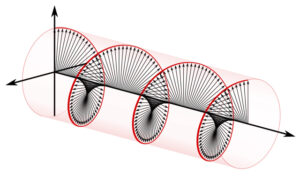
Ensure that the polarization (vertical,horizontal,or circular) is compatible with your system’s requirements for optimal signal transmission and reception.
5. Consider Physical Limitations
Check that the antenna’s size and weight are appropriate for your installation site. Ensure it can be installed in the desired location and is compatible with the existing infrastructure (such as masts,rooftops,or handheld devices).
6. Impedance Matching
Confirm that the antenna’s impedance (typically 50 ohms or 75 ohms) aligns with your system to avoid signal loss and reflections.
7. Power Handling and Durability
Verify that the antenna can manage the transmitter’s power output. Assess the materials and construction of the antenna, especially for outdoor applications, to ensure it can endure environmental challenges like wind, rain, and UV exposure.
8. Availability
Ensure that the chosen antenna is readily accessible or can be procured within your project timeline.
9. Compliance and Certification
Check that the antenna adheres to relevant regulatory standards and certifications in your area (such as FCC in the United States or CE in Europe).
varieties of Antennas
Individuals seeking to equip modern communication systems can choose from a variety of antenna types:
- Dipole Antennas
Basic, omnidirectional antennas suitable for a wide range of applications. 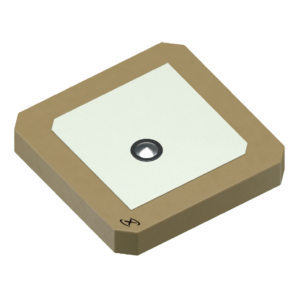
Yagi-Uda Antennas
Directional antennas ideal for long-range communication.- Parabolic Antennas (dish)
Wideband antennas suitable for applications requiring extensive frequency coverage. - Patch Antennas
Compact, flat antennas commonly used in GPS, Wi-Fi, and other space-constrained environments. - Log-Periodic Antennas
Wideband antennas designed for applications needing coverage across a broad frequency spectrum.