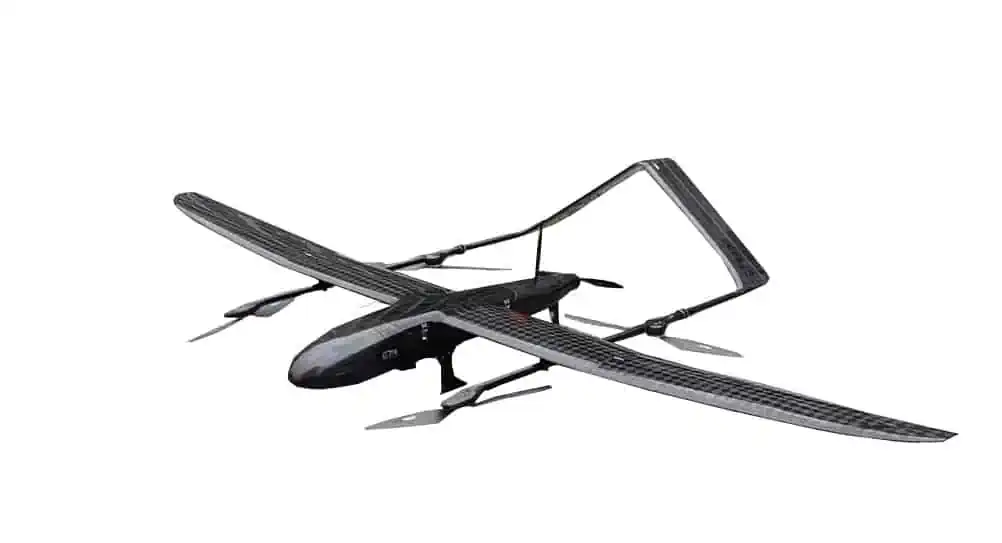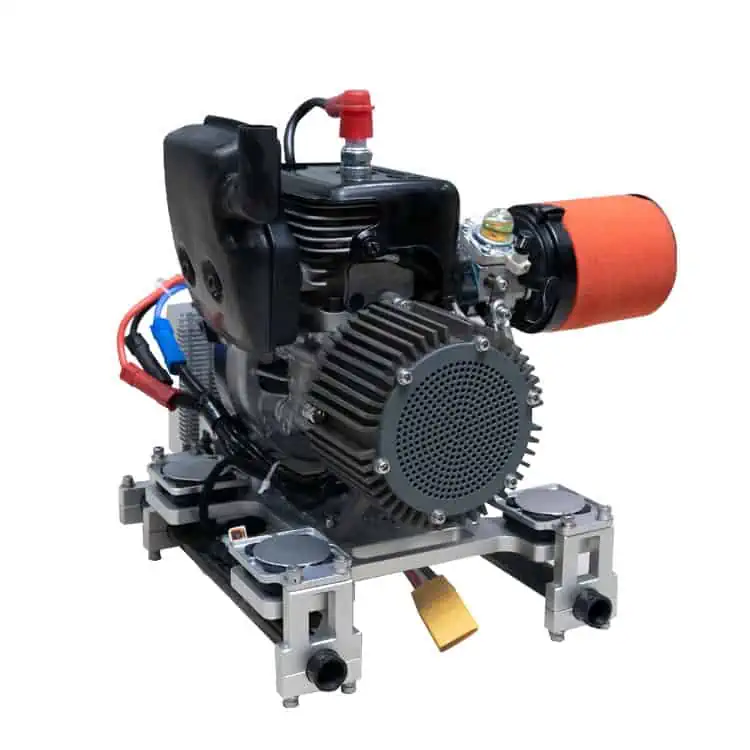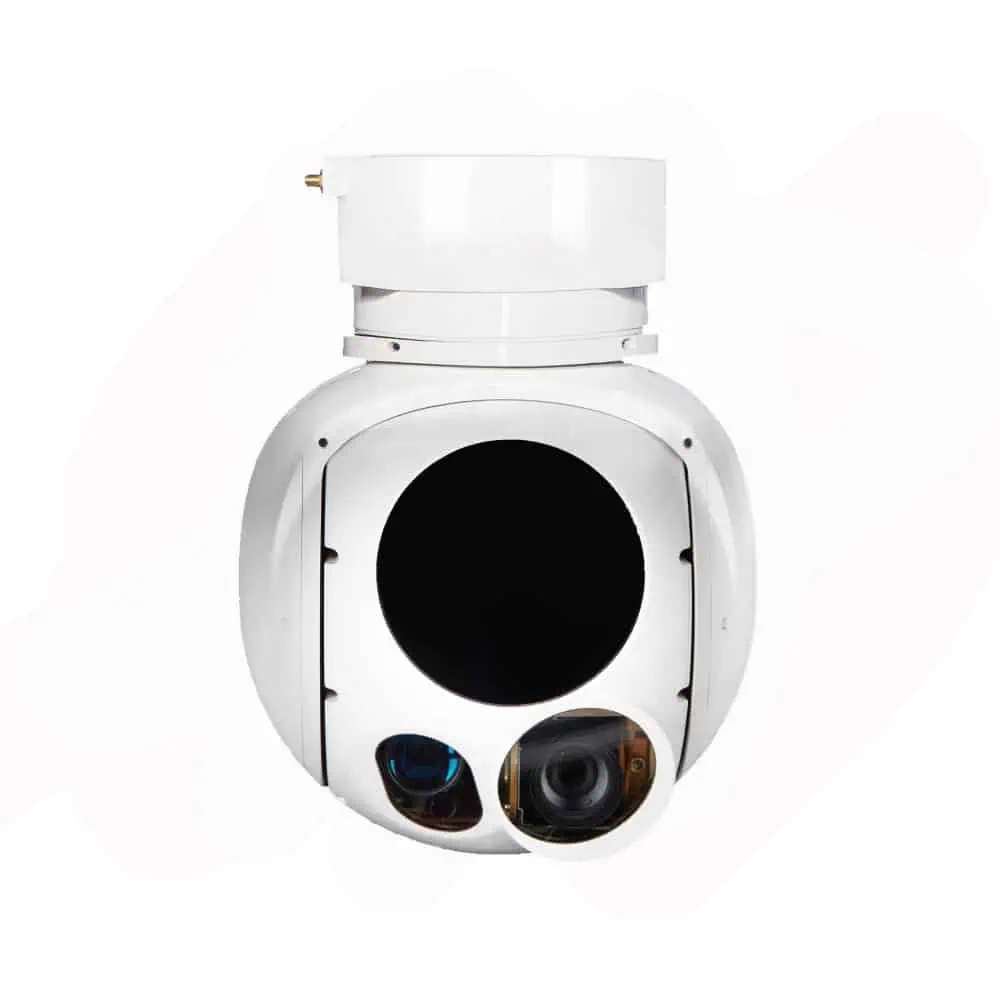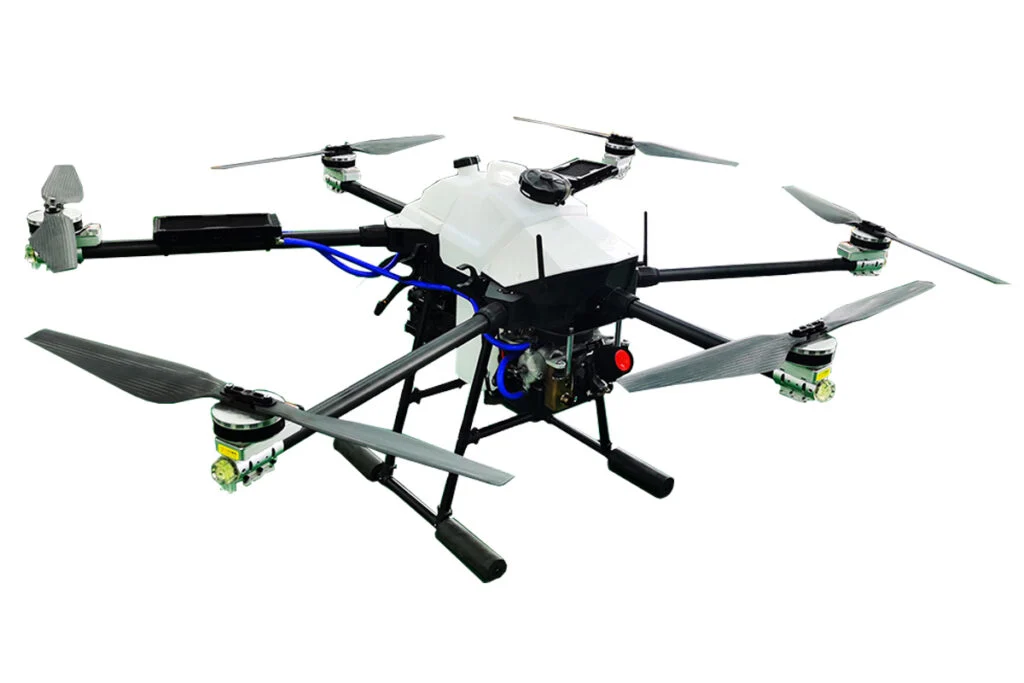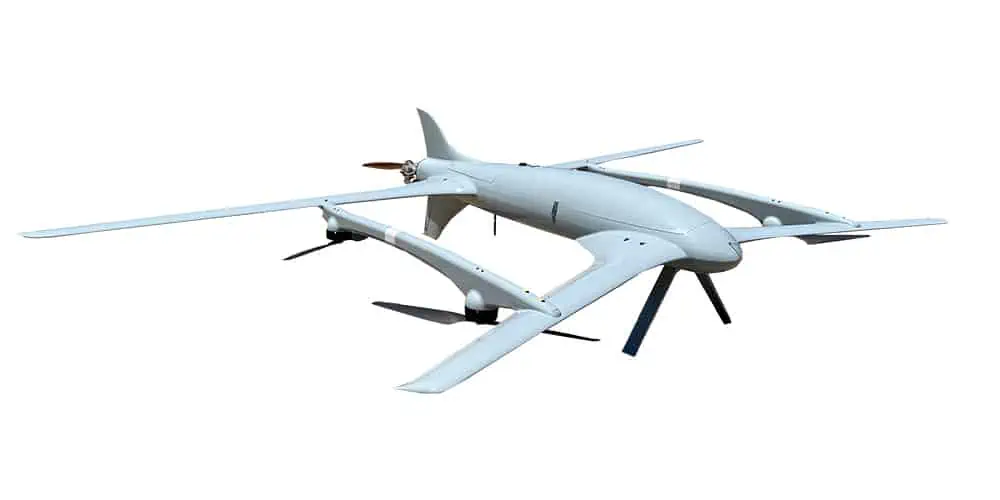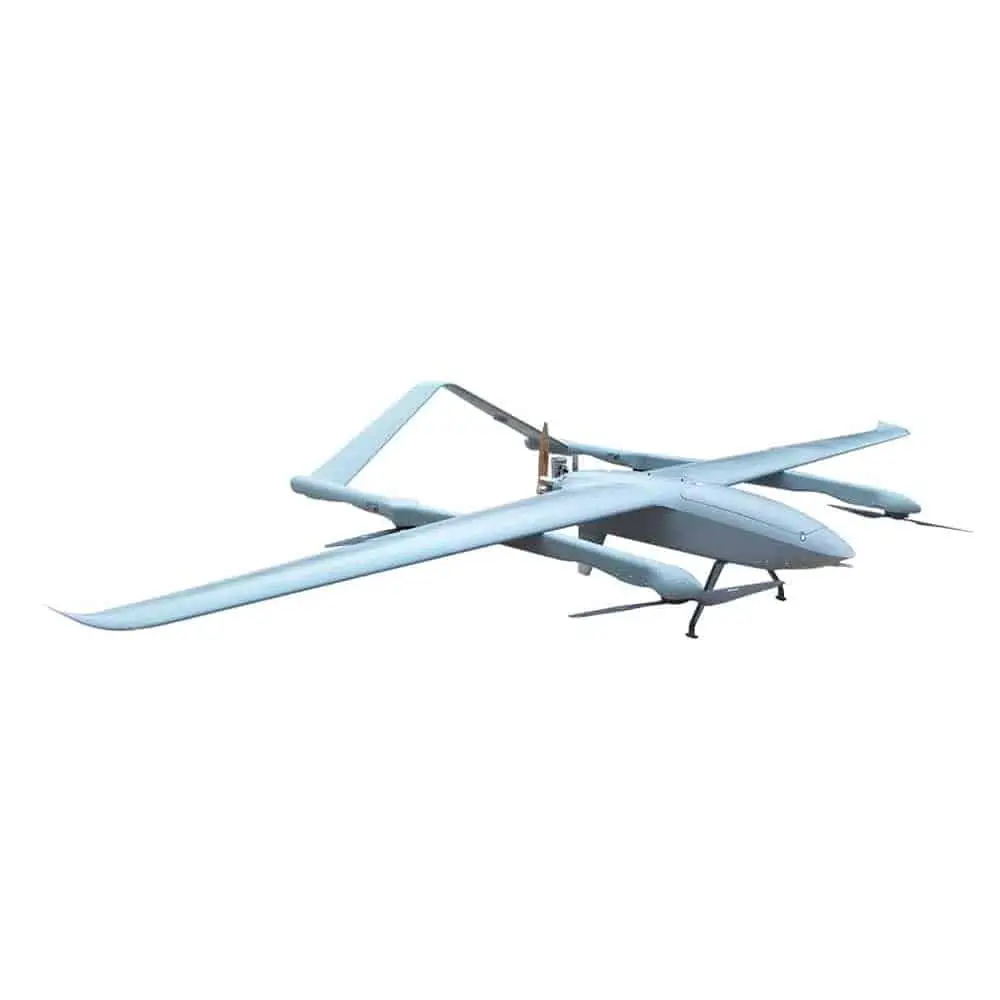


This case study highlights the collaboration between DroneUp and various drone manufacturers, including Doodle Labs’ partner Watts Innovations, to introduce drone delivery services to consumers.
The concept of drone delivery presents important opportunities—it can minimize the environmental footprint associated with transporting goods while also expediting delivery times for consumers.A major concern with the convenience of same-day delivery is the ecological impact of last-mile logistics, which can be alleviated through the use of efficient, battery-operated drones. Additionally,a network of semi-autonomous drones alleviates the logistical challenges posed by reliance on human delivery drivers,a growing issue in recent times.
For those following developments in the drone industry in the United States, DroneUp has emerged as a key player, forming partnerships with major retailers to roll out drone delivery services.
In response to the swiftly changing regulatory landscape for urban drone operations, DroneUp has teamed up with several drone manufacturers, including Watts Innovations.
Doodle Labs established a partnership with watts Innovations early in the process to provide long-range, dependable communication for Command & Control, telemetry, and HD video streaming essential for their drone systems. A robust, high-bandwidth data link guarantees constant connectivity with the drone. The smart Radio’s capability to recognize Command & Control traffic through Differentiated Services allows it to prioritize this data with optimized radio settings via URLLC, ensuring minimal latency for Command & Control operations. Likewise, video data is identified and prioritized, applying optimized settings for uninterrupted streaming.
While DroneUp pre-establishes flight paths and the drones operate autonomously,a pilot can assume manual control whenever necessary. This feature is crucial for ensuring safety as drone technology becomes more prevalent.
One of the primary hurdles in implementing drone delivery is fostering public confidence regarding safety and privacy, as well as ensuring the technology can adapt to the unique challenges posed by various delivery environments. For instance, in areas with numerous potential obstacles, drones may maintain clear communication during flight but encounter difficulties near the ground at delivery sites, where they also need to transmit video confirming accomplished deliveries (video is disabled during flight for privacy). Traditional LTE infrastructure, which is designed to point downwards, has limitations that make it less suitable for drones in flight, whereas broadband mesh links excel in these scenarios.
the drones utilized by DroneUp are equipped with both LTE radios and the Smart Radio for mesh data links. To ensure smooth transitions between these radio connections, we have developed an LTE Failover feature that will be integrated into the Mesh Rider™ OS. This redundancy not only enhances technological performance but also prepares the drone system for potential future regulatory changes regarding communications on commercial drones.
At Doodle Labs, we are enthusiastic about the future of drone technology in commercial sectors, notably in drone delivery. We are proud to support DroneUp in bringing this innovative solution to market. With regulations appearing to stabilize and operational approvals being granted,we are just at the dawn of this exciting era in drone technology.