


The Role of Sensors in Modern Flight Control Systems
GuideNav emphasizes the critical importance of the sensor array in contemporary flight control systems (FCS) for ensuring aircraft stability, safety, and operational efficiency. Discover more >>
Sensor integration in Flight control Architectures
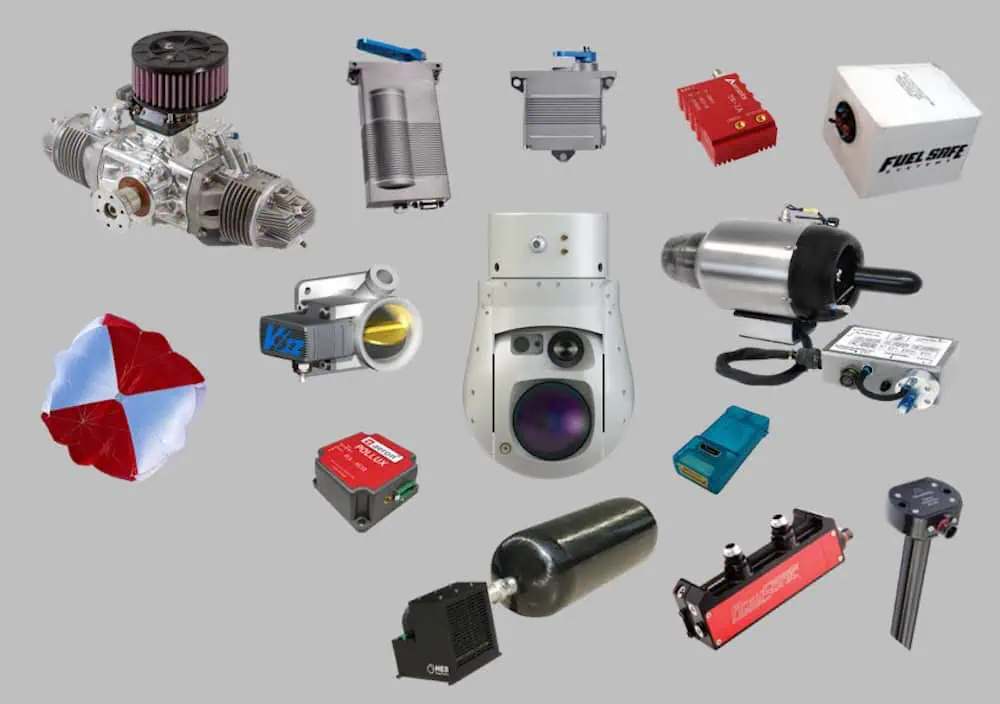
The number of sensors utilized in flight control systems can range significantly based on the specific platform and the complexity of the mission, typically falling between 20 and 100.These sensors are essential for monitoring real-time dynamics, orientation, and various environmental conditions.
Types of Sensors in Use
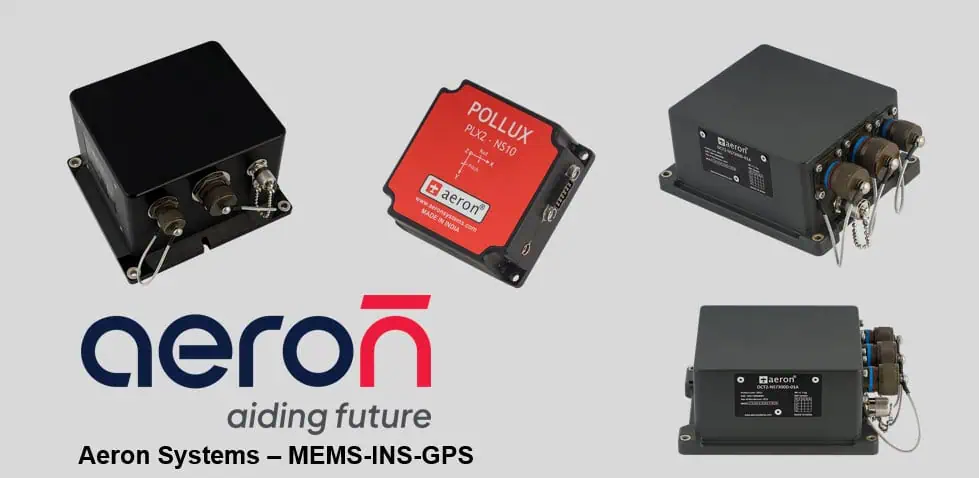
Among the key components are inertial measurement units (IMUs), position sensors, barometric sensors, differential pressure sensors, and angular rate sensors. Each type plays a vital role in providing the necessary data to maintain control throughout different phases of flight.
Advancements in Sensor Fusion Technology
Modern flight control systems are increasingly leveraging sensor fusion techniques,which integrate data from multiple sensors to improve redundancy and enhance the accuracy of filtering. This methodology is crucial for enabling precise navigation and autonomous decision-making, particularly in challenging or contested environments.
Leading Inertial Systems
Two prominent inertial systems utilized in this domain are the GUIDE688B and GUIDE900 IMUs.Each system is designed with distinct capabilities that cater to the varying size, speed, and responsiveness requirements of both unmanned and manned aerial vehicles.
The Future of Sensor Complexity in UAVs
As unmanned aerial vehicles (UAVs) and autonomous systems continue to expand their operational limits, the complexity of the sensor load within flight control systems is expected to increase. This growth is driven by the need for enhanced fidelity and reliability, especially in harsh environments or areas with limited signal availability.
Explore the complete article on the guidenav website >>