

SubC Imaging delves into the essential function of underwater lighting in various subsea activities, including imaging, surveys, research, exploration, and inspections, while highlighting the meaning of two crucial performance indicators: lumens and lux.
SubC Imaging: Pioneering High-Performance Subsea Lighting
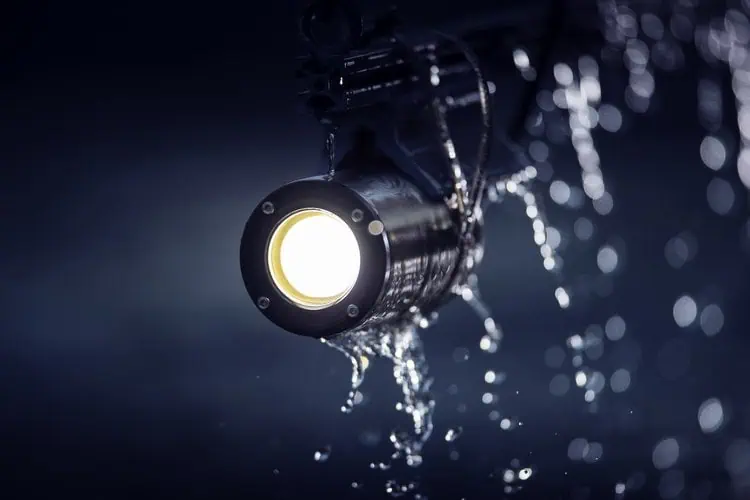
SubC Imaging specializes in manufacturing subsea LED lights that can produce an impressive output of up to 32,000 lumens, significantly surpassing the roughly 800 lumens generated by a typical 60-watt household LED bulb. This remarkable lumen output is ideal for scenarios requiring intense illumination at considerable depths.
Understanding Brightness: The Distinction Between Lumens and Lux

Lumens Explained
Lumens quantify the total visible light emitted from a source, irrespective of its direction. In underwater settings, a higher lumen count generally leads to brighter and more vibrant images and videos.
Understanding Lux
Lux measures the intensity of visible light that reaches a specific surface. Unlike lumens, lux is affected by both the total light output and the direction of that light. This makes the positioning and angle of the light source crucial for effective illumination of targeted areas or subjects beneath the water’s surface.
Factors Influencing Lux in Underwater Environments:
- Water Clarity: Turbid or sediment-laden water diminishes light transmission, necessitating higher lux levels for effective lighting compared to clearer waters.
- Depth: As depth increases, lux levels tend to decrease due to light absorption by water. Recognizing this relationship is vital for designing effective underwater lighting solutions.
- Beam Angle: The angle of the light beam influences how broadly the light disperses. Choosing the right beam angle is essential to ensure adequate lux coverage over the intended area.
Practical Measurement of Lux
Lux is defined as one lumen per square metre (lux = lumens/m²). Measuring lux can be somewhat subjective, as it depends on the characteristics of the surface being illuminated. Manufacturer specifications for lux can vary based on the measurement techniques employed. For context, the ambient light from a full moon on a clear night typically falls between 0.05 and 0.3 lux.
Connecting Lumens and Lux: A Comparative Overview
While lumens and lux provide different insights into lighting performance, they are interconnected. Lumens indicate the total light output, whereas lux focuses on how much of that light effectively illuminates a specific surface. In subsea lighting applications, both metrics are crucial; lumens give an overall sense of brightness, while lux demonstrates the effectiveness of light request in particular areas.
Choosing the Right Subsea LEDs and ROV Lighting Solutions
Selecting subsea LED and ROV lights with appropriate lux and lumen ratings is critical for achieving optimal results in underwater imaging. SubC Imaging’s high-lumen LEDs are a dependable choice for professionals engaged in marine research, offshore operations, and underwater filmmaking.
Final Thoughts
A complete understanding of lumens and lux is essential for anyone involved in subsea LED or ROV lighting. These metrics are instrumental in guiding the selection of appropriate lighting systems, ensuring effective performance across a variety of underwater applications.
Read the original article >>