

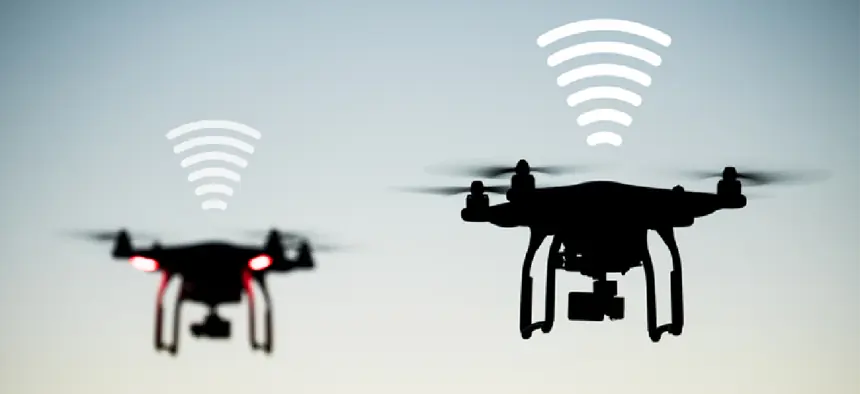
Understanding Remote ID Regulations: A Comparative analysis of FAA and EASA
Elsight emphasizes that the rapid growth of the unmanned aerial systems (UAS) sector has lead to a significant increase in the number of drones operating in national airspaces for both commercial and leisure activities.
As airspace becomes more congested, regulatory bodies are facing mounting pressure to establish frameworks that support the drone industry’s swift expansion while ensuring safety remains a top priority.
Key Challenges in Drone Regulation
The primary obstacles include reducing the likelihood of collisions between manned and unmanned aircraft and ensuring a reliable system for traceability and accountability in case of rule violations or accidents.
Adoption of Remote ID by regulatory Authorities
To address these challenges, both the Federal Aviation Management (FAA) in the United States and the European Union Aviation Safety Agency (EASA), along with various global jurisdictions, have identified Remote ID as a viable solution.
Insights from Elsight
in a extensive article on their website, Elsight explores several key topics:
- Overview of Remote ID
- Essential Requirements for FAA & EASA Remote ID
- Comparative Analysis of Similarities and Differences
- The Future of Remote ID and Unmanned Traffic management (UTM)
- Integration of Remote ID with Cellular Communications via Elsight and Halo
The impact of Remote ID on Safety and Operations
Elsight concludes that the implementation of Remote ID is aimed at enhancing safety and minimizing critical incidents as drones increasingly occupy civil and commercial airspace globally.
Beyond addressing the concerns of aviation authorities and law enforcement, Remote ID is expected to facilitate the integration of more advanced operations, such as Beyond Visual line of Sight (BVLOS) flights and drone delivery services, propelling the industry toward further innovation.
Further Information and FAQs
For additional insights and answers to frequently asked questions, visit the Elsight website to read the full article and learn more.