

tyto Robotics delves into the distinctions among various electric motor types, assessing their efficiency across multiple industries and applications, including unmanned systems.
Electric motors play a crucial role in numerous sectors, serving as the backbone for converting electrical energy into mechanical energy. Though, the efficiency of thes motors can vary significantly.
Understanding Motor efficiency
To begin, let’s clarify what motor efficiency entails. Motor efficiency refers to the proportion of output power relative to input power, typically expressed as a percentage.
This metric indicates how effectively a motor transforms electrical energy into mechanical energy. Higher efficiency means reduced energy loss as heat or other waste forms, resulting in more power available for productive tasks.
The primary categories of electric motors include DC motors, AC motors, and brushless DC motors, each presenting unique benefits and drawbacks regarding efficiency.
Efficiency of DC Motors
DC motors are among the most straightforward electric motor types, having been utilized for decades across various applications.They function by employing direct current to generate a magnetic field that rotates the motor’s armature.
These motors are recognized for their significant starting torque and ease of control. However,their efficiency is generally lower,typically falling between 50% and 80% due to energy losses as heat in the windings and brushes.
Efficiency of AC Motors
In contrast,AC motors are more intricate and are predominantly found in industrial and commercial settings. They operate by utilizing alternating current to produce a rotating magnetic field that propels the motor’s rotor.
AC motors are celebrated for their higher efficiency,usually ranging from 75% to 90%.This efficiency is attributed to the absence of brushes, which mitigates energy loss associated with them.
Nonetheless, AC motors tend to be less controllable than their DC counterparts, and their starting torque is often lower.
Efficiency of Brushless DC Motors
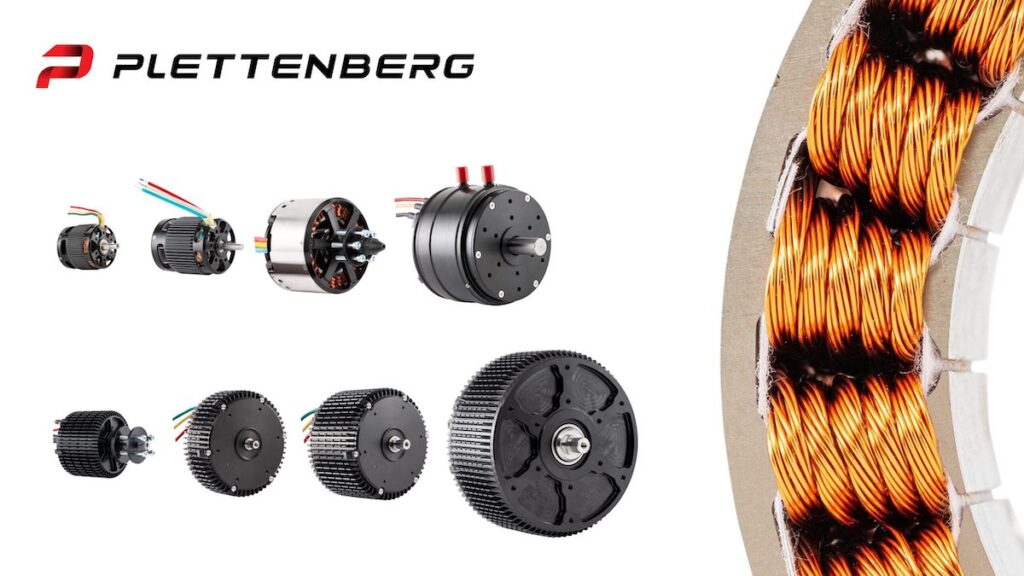
Brushless DC motors represent a modern evolution in electric motor technology, merging the advantages of both DC and AC motors.
These motors utilize a permanent magnet rotor and an electronic controller to manage the current in the windings.
Brushless DC motors are renowned for their extraordinary efficiency, typically ranging from 80% to 95%. The absence of brushes and the use of electronic switching to regulate current contribute to this efficiency, minimizing energy loss.
Additionally, these motors provide excellent controllability and starting torque.
Final Thoughts
the efficiency of electric motors varies based on the motor type and it’s intended application.
When evaluating electric motor efficiency, it’s essential to consider the specific application and its requirements.
While DC motors may offer lower efficiency, they excel in controllability and starting torque. AC motors provide higher efficiency but at the cost of controllability and starting torque. Brushless DC motors deliver high efficiency,controllability,and starting torque,though they frequently enough come with a higher price tag.
Selecting the right electric motor involves weighing the trade-offs between efficiency, controllability, and cost to identify the most suitable option for your unique needs.