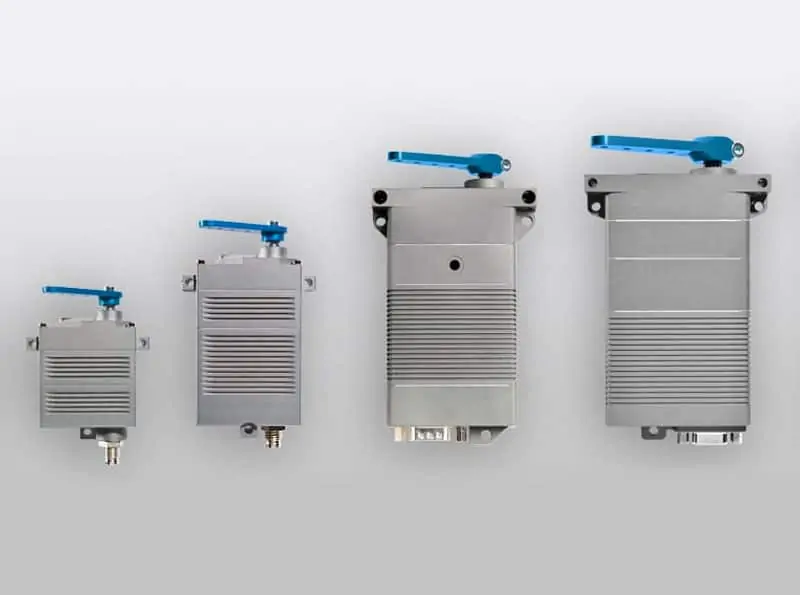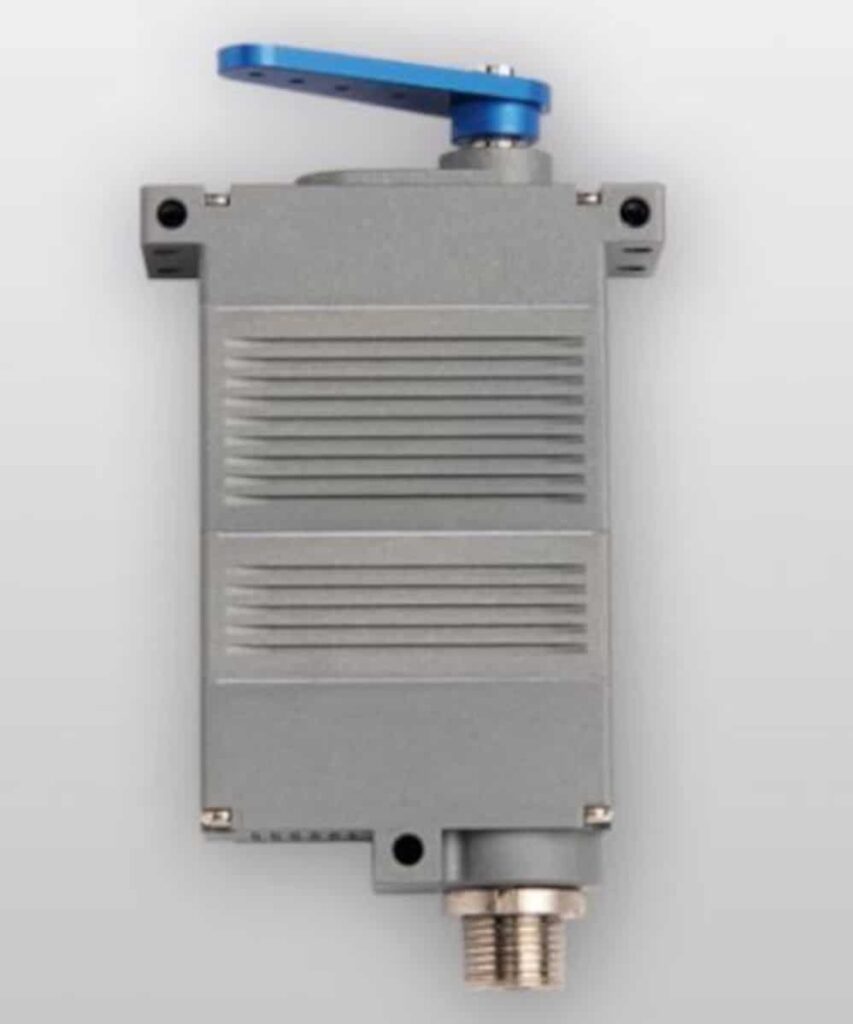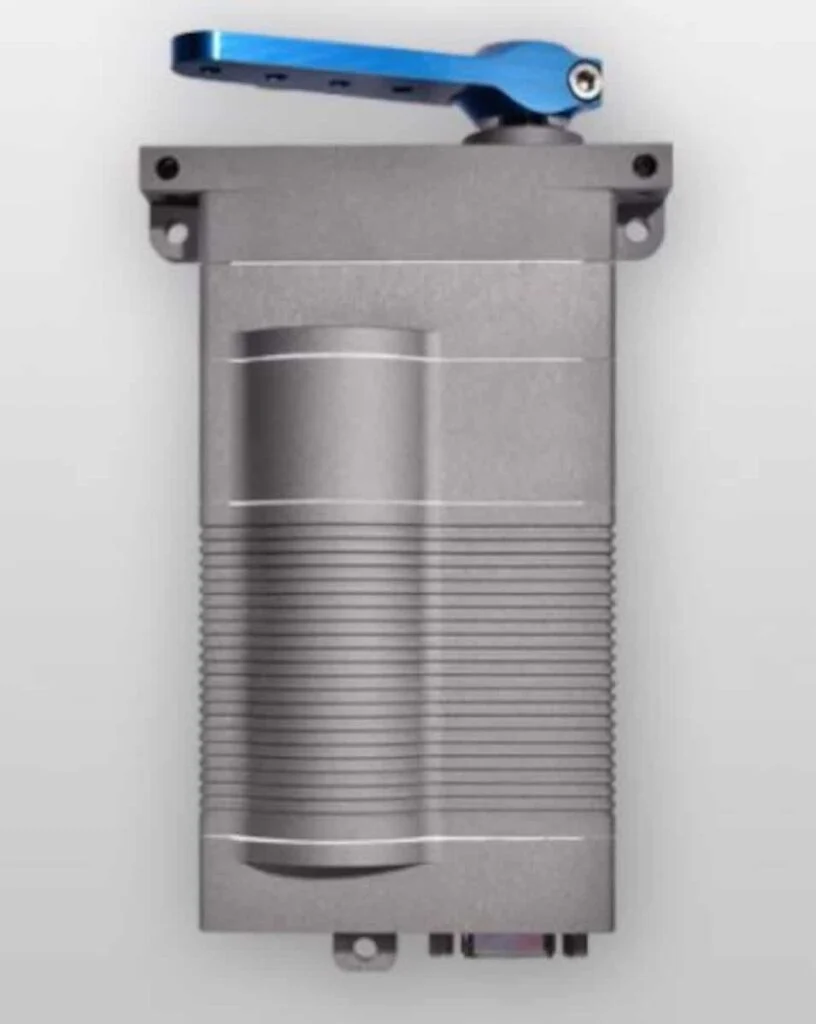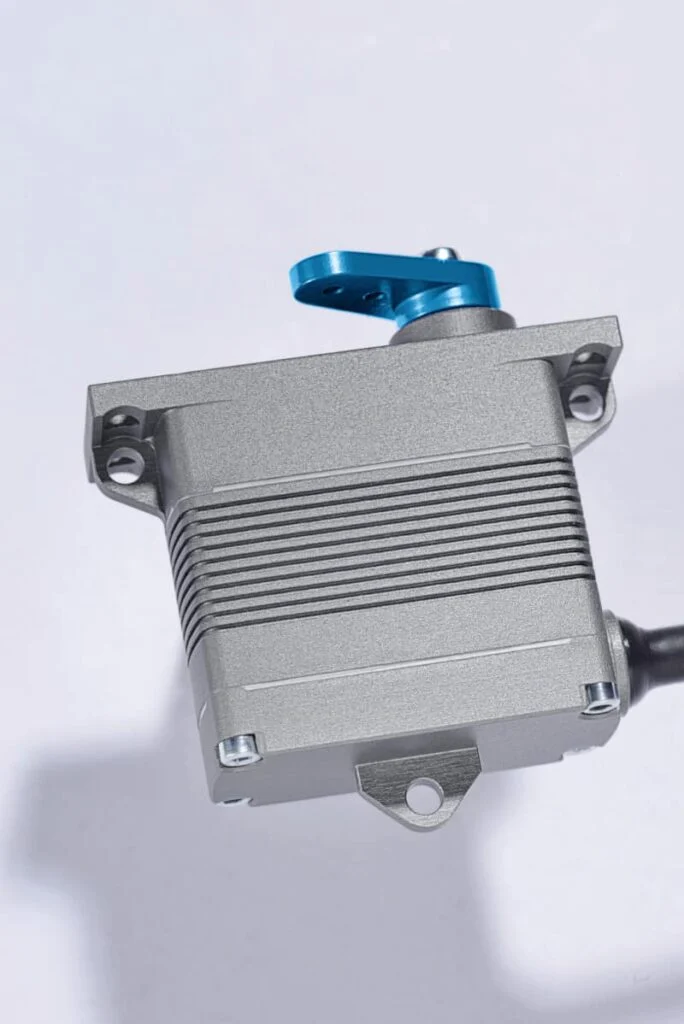


This article highlights the fruitful partnership between volz Servos and Aircraft Electronic Engineering GmbH (AEE) in the progress of certifiable actuators for unmanned aerial vehicles (UAVs).
Volz Servos and AEE at their inaugural joint exhibit at AIRTEC MUNICH
Certifiable Actuators elevate UAV and AAM Initiatives
As delivery drones and air taxis transition from experimental phases to commercial operations, they must adhere to stringent national and international aviation regulations.A critical component in this journey is the certification of essential parts within the overall system.
While this may seem straightforward, the reality is a highly intricate process that demands specialized expertise. Recognizing this complexity, Volz Servos GmbH & Co.KG partnered with Aircraft Electronic Engineering GmbH (AEE) in mid-2021. Together, they are pioneering the development of certifiable actuators, contributing to innovative projects in the aviation sector.
A Distinctive Blend: Expertise, Flexibility, and Certification
“For commercial drone applications, choosing Volz actuators is essential. We can design to aviation certification standards, even for smaller actuators,” states Philipp Volz, CEO of Volz, reflecting on the prosperous collaboration with AEE. “AEE gmbh’s EASA certification and extensive aviation experience set it apart from other small to medium-sized competitors. Coupled with Volz’s agility and expertise, we stand out in the UAV and AAM actuator landscape.”
Transitioning from Prototype to Commercial Use
“We understood that to move beyond the prototype phase into professional applications,we needed to navigate the certification process ourselves,” explains Felix Thun,Director of Sales & Business Development at Volz. The challenge lies in the fact that each aerospace project requires a tailored certification process, as the entire system, including actuators, must be validated.
“Clients recognize the necessity of certification but frequently enough lack clarity on how to achieve it. Our team at Volz, in collaboration with AEE, frist identifies all essential requirements and steps,” Thun elaborates on the typical project workflow. The development process is inherently collaborative. “We work closely with our clients; it’s a shared journey.” Additionally, the partnership with AEE fosters continuous learning for Volz’s engineers, enhancing their expertise in aviation product development.
Precision Ensures Safety
The comprehensive development of aircraft actuators must be meticulously documented in the Declaration of Design and Performance (DDP) from the outset. This includes strict guidelines regarding materials, software, and electronics. The manufacturer later submits an request to the FAA and/or EASA for approval of the entire system, including the actuator. Once the Type Certificate (TC) or Supplemental Type Certificate (STC) is granted, Volz proceeds with actuator production, while AEE oversees the process and final testing. Certified experts (Certifying Staff) then issue the EASA Form 1 (Authorized Release Certificate), confirming that production aligns with the specified development data.
This process is indeed time-intensive, often taking two to three years from initial discussions to certification. Whether a streamlined procedure for unmanned aerial vehicles like delivery drones will emerge remains to be seen. With Volz and AEE, clients have experienced partners guiding them through the certification journey. The rigorous safety standards associated with aviation certification are undeniably crucial.
Numerous companies are eager to launch innovative drone solutions today, whether for cargo transport, passenger services, or maintenance tasks. However, navigating the regulatory landscape of public airspace poses notable challenges. With four decades of experience, Volz Servos is well-equipped to address these demands, especially through its collaboration with AEE. Philipp Volz emphasizes, “Our actuators play a vital role in the safe integration of UAVs and AAMs into civilian airspace.”