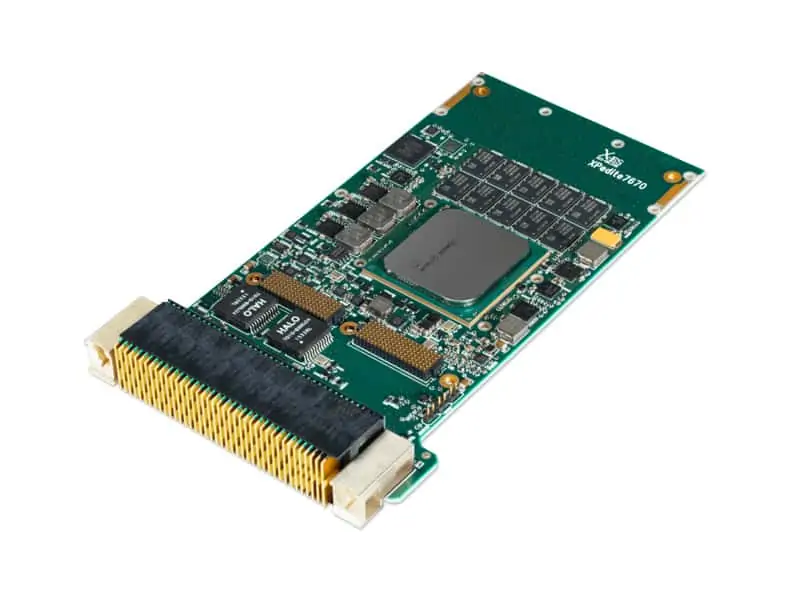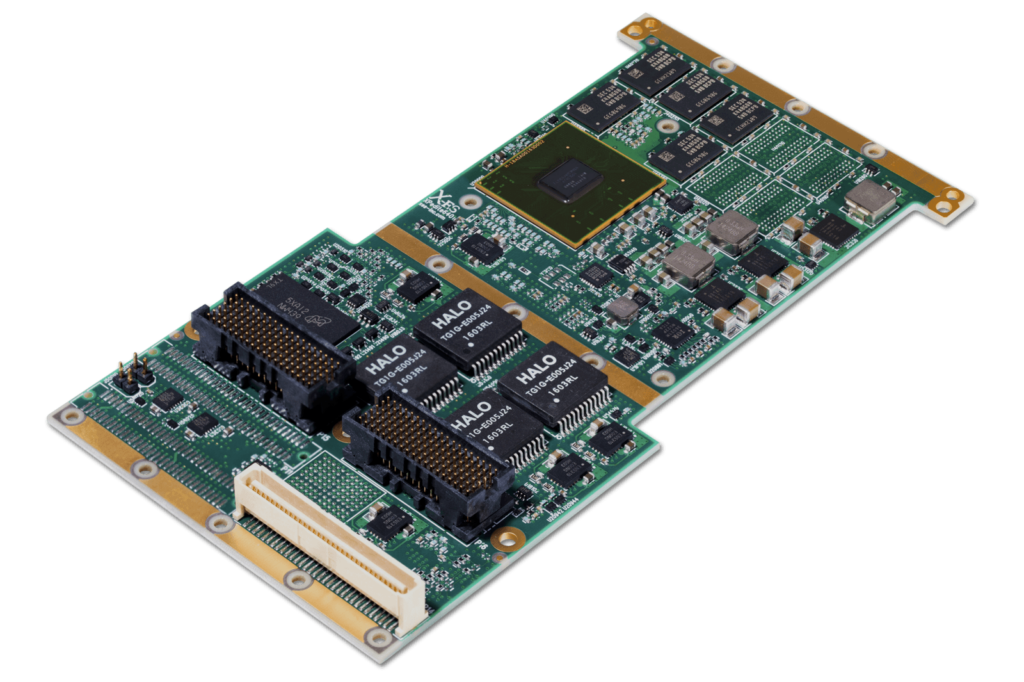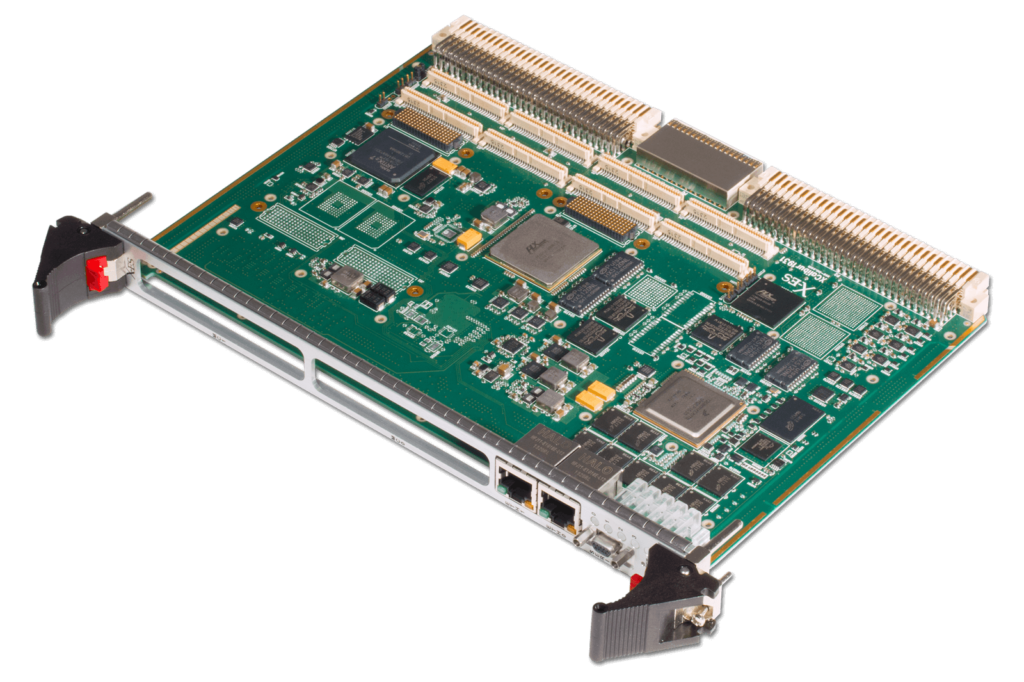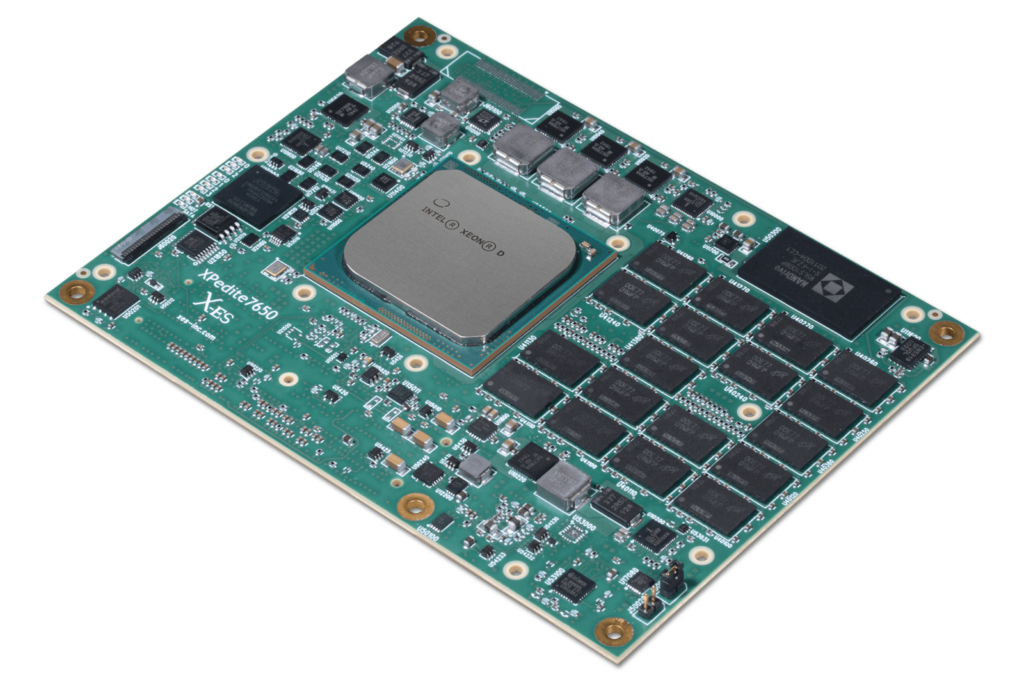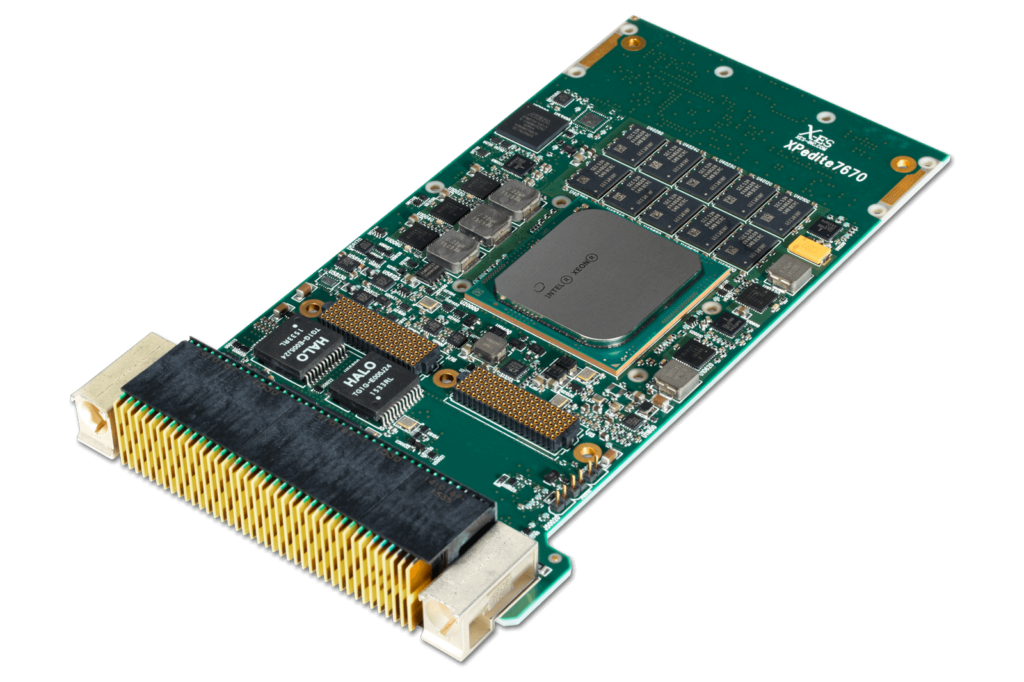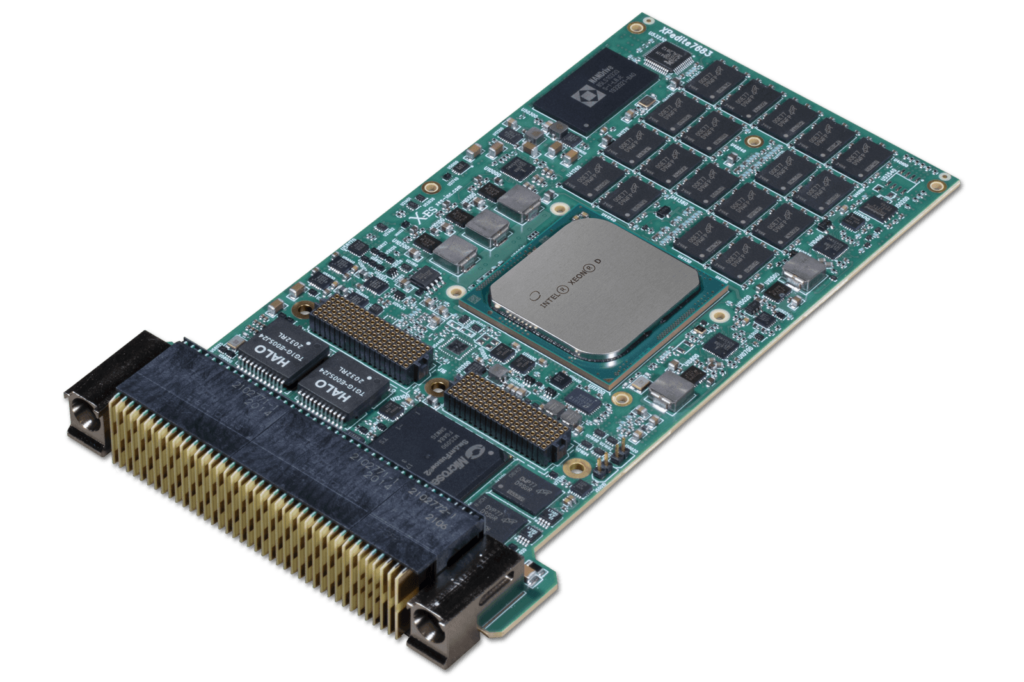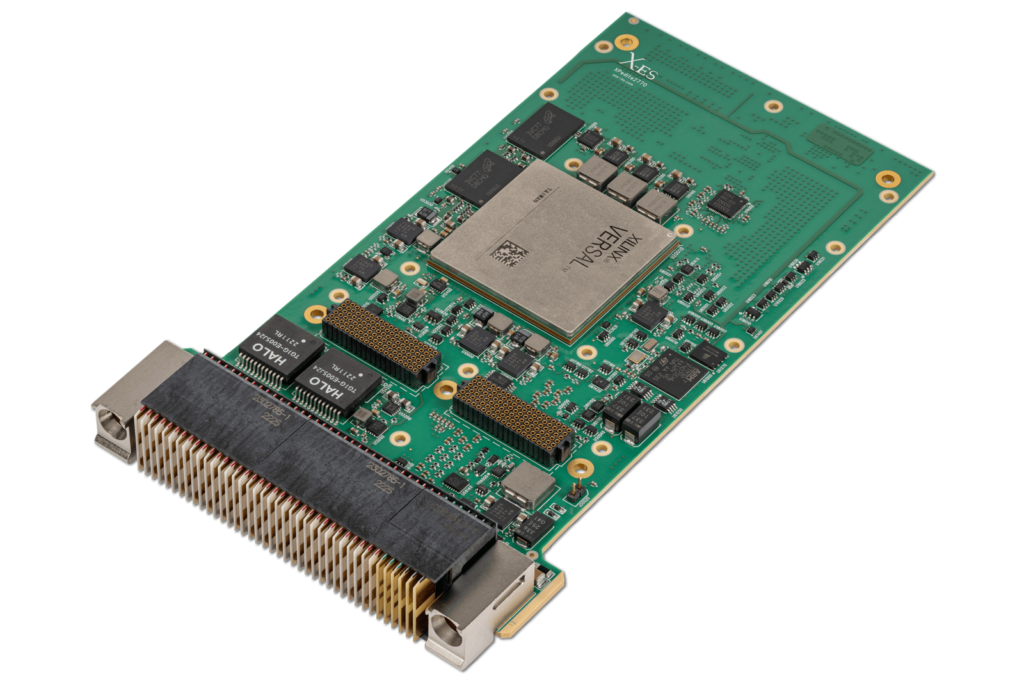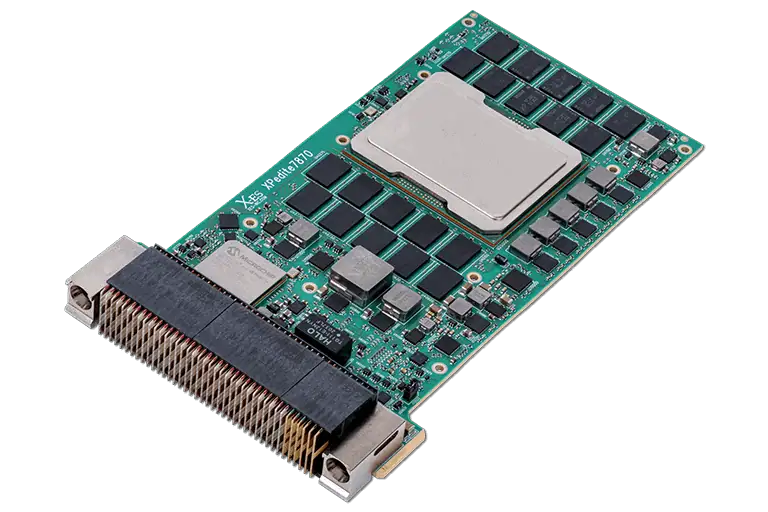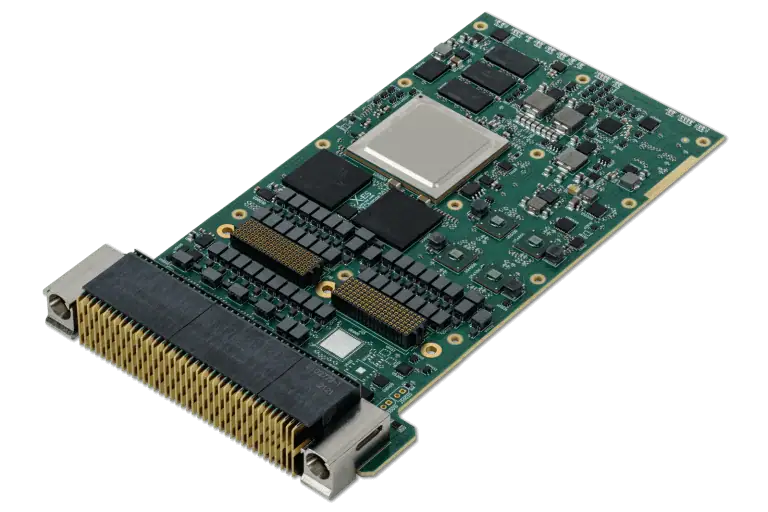


Extreme Engineering Solutions (X-ES) has unveiled it’s latest COTS board solution, the XPedite6101, which is powered by the NXP QorIQ T2081 processor. This innovative board comes equipped with a certification-ready multi-core operating system surroundings, specifically the Wind River VxWorks 653 3.0 Multi-core Edition platform. Notably, the XPedite6101 adheres to ARINC 653 standards and integrates Wind River’s Information Assurance Framework (IAF) to facilitate secure booting for applications that demand heightened security measures.
The Wind River VxWorks 653 platform empowers avionics manufacturers and hosted-function providers to independently create and deploy various applications on a single multi-core hardware setup, thereby meeting stringent avionics safety regulations. These regulations encompass RTCA DO-178C,which certifies compliance with airworthiness standards for software in airborne systems,and ARINC 653,which governs space and time partitioning in safety-critical real-time operating systems (RTOS) for avionics.
With the VxWorks 653 multi-core scheduler, multiple guest operating systems can operate on a shared computing platform, allowing applications to run concurrently and enhancing computational capacity. This platform also offers fault containment, high portability to minimize upgrade expenses, reduced development costs through an Eclipse-based development suite, and expedited RTCA DO-178C platform certification, supported by commercial-off-the-shelf (COTS) certification evidence.
The robust security features of this solution stem from the integration of Wind River’s IAF. This framework employs the PowerPC/NXP Trust Architecture, known as the QorIQ Platform Trust Architecture, to facilitate secure booting. It includes a built-in security engine capable of concealing a One Time Programmable Master Key (OTPMK) within a write-only register, making it ideal for cryptographic tasks such as hashing, encryption, and decryption.
The VxWorks 653 Board Support Package (BSP) serves as the cornerstone for the safety and security functionalities of this platform. Fully integrated into the trusted boot sequence and managed by the IAF, it supports the following features:
- Four physical cores (threading not supported)
- Serial dialog ports
- Error-Correcting Code (ECC) support
- I2C support (including GPIO, TMP102 Ambient Temperature Sensor, ATD6641A Dual Temperature Sensor, AT24CM01 SEEPROM, M41T00 Real-Time Clock)
- DDR SDRAM: 8 GB total on the board; 2 GB accessible via VxWorks 653 Multi-core Edition, version 3.0.1.1
- PCIe – Controllers #1, #3, and #4 on the T2081
- Ethernet: Both MEMAC interfaces on the XPedite6101 (MEMAC2 and MEMAC3)
- 4 GB NAND Flash supported through CERT HRFS, NAND FTL, MTD, and IFC NAND driver
- Boot capability from NAND flash (using U-Boot)
The XPedite6101 accommodates various NXP QorIQ processor configurations and offers multiple I/O ports, including Gigabit Ethernet, serial, USB, and SATA, along with up to 8 GB of DDR3-1600 ECC SDRAM. When utilizing the T2081 processor, the XPedite6101 optimizes performance with eight virtual (four dual-threaded) Power Architecture e6500 cores operating at speeds up to 1.8 GHz.
Designed to meet stringent avionics safety standards, the Wind River VxWorks 653 software platform pairs seamlessly with the XPedite6101, delivering a size, weight, and power (SWaP) optimized computing solution tailored for military and aerospace applications, including the development of unmanned aircraft systems (UAS) and other unmanned vehicles.
Secure boot implementation through NXP’s Trust Architecture enhances the reliability and security of applications. This joint solution’s secure boot technologies ensure that the CPU does not execute untrusted code, detect and reject security breaches, and prevent unauthorized access to sensitive data.
“NXP is excited that X-ES’ XPedite6101 is utilizing our T2081 processor,providing the reliability that avionics customers require,” stated Toby Foster,Senior Product Marketing Manager at NXP Digital Networking. “NXP’s T-series processors are known for their high performance and low power consumption, making them an excellent choice for demanding avionics applications,” he added. “In addition to the trusted security features inherent in NXP processors,X-ES capitalizes on the T2081’s extensive I/O integration for remarkable performance density.”
Wind River’s secure boot technology adds an additional security layer for QorIQ processors by conducting a hardware verification of software during the boot process. All code within the VxWorks 653 platform BSP is digitally signed and includes a tightly controlled RSA public and private key pair.Before an request can boot, the secure boot process verifies the software against the private signature key. If an unsigned kernel is detected, the secure boot technology prevents the compromised system from starting, thereby safeguarding against data extraction.